Integrated Cassava Transformation Systems
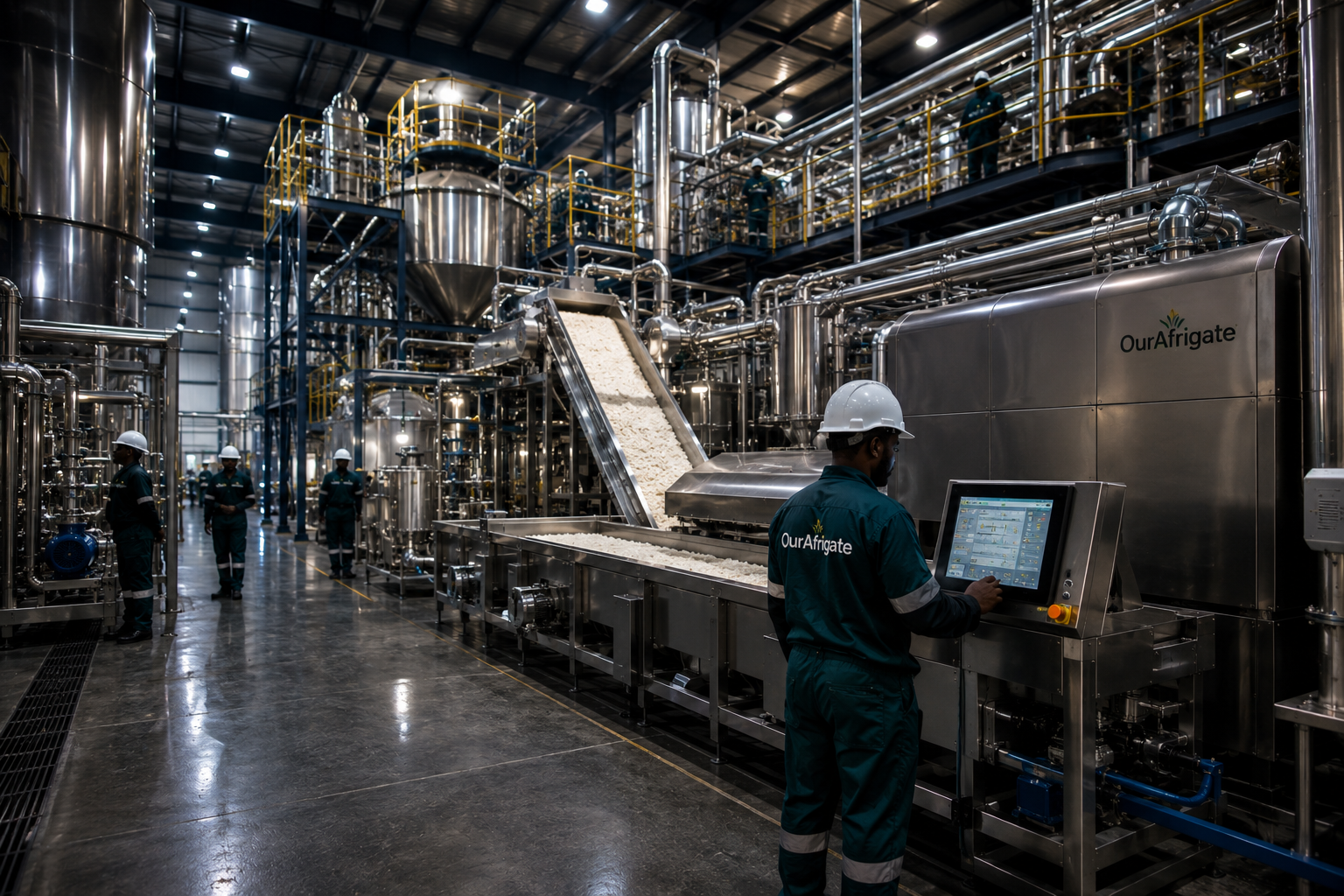
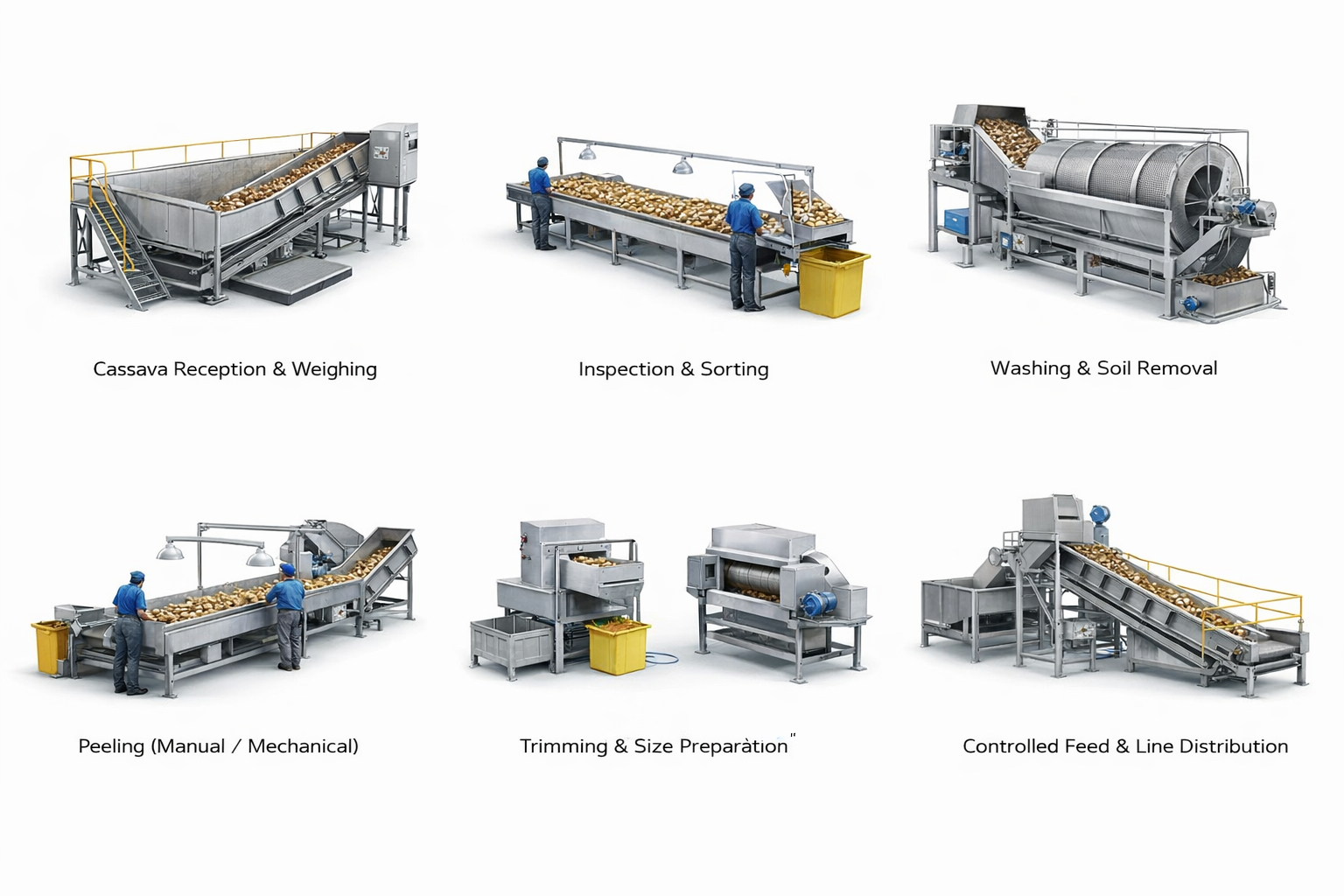
Raw Material Reception
Industrial unloading systems, intake infrastructure and raw material quality control.
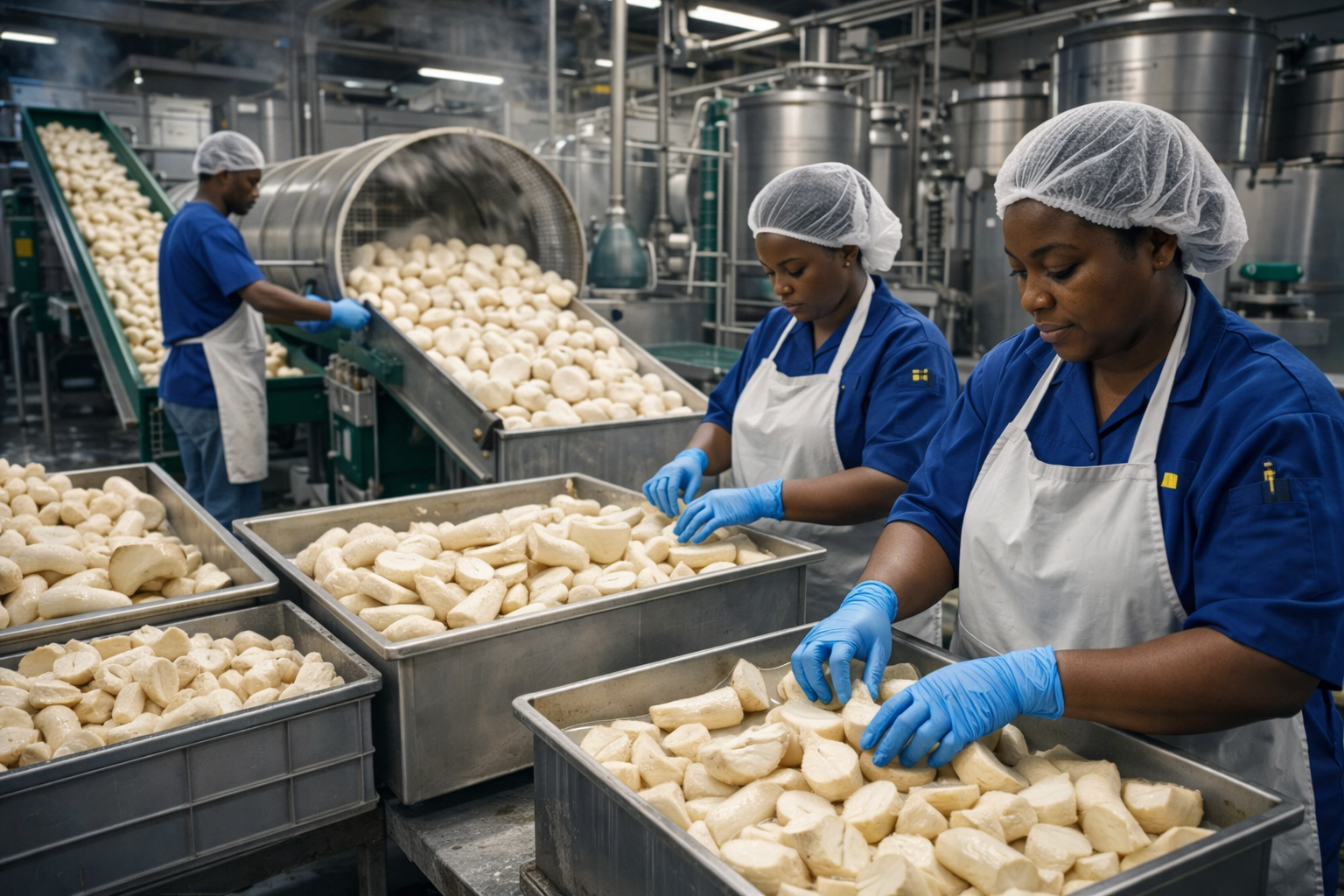
Cleaning & Washing
Automated washing systems designed for efficient impurity removal and process preparation.
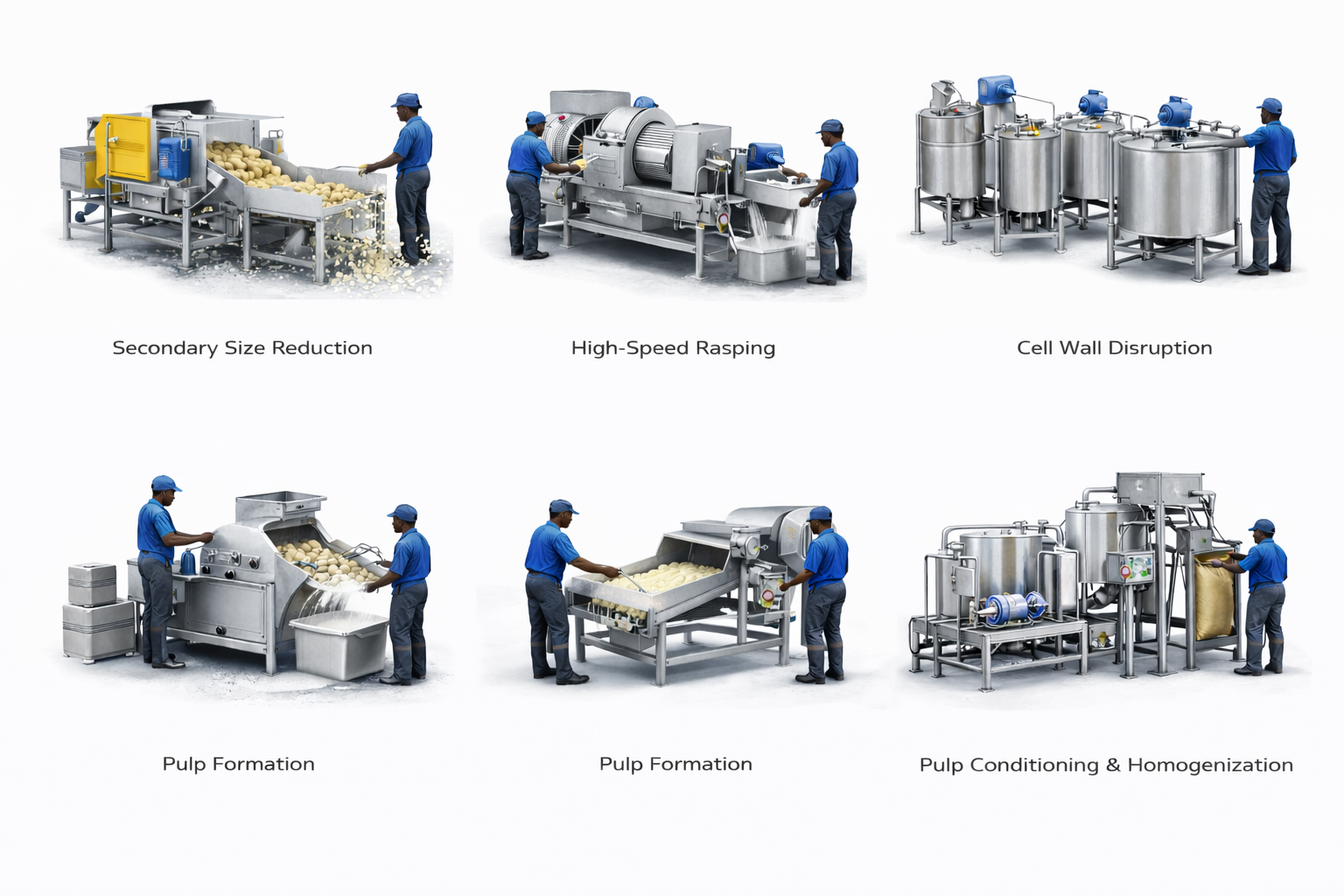
Rasping & Extraction
High-efficiency extraction technologies engineered for optimized starch liberation.
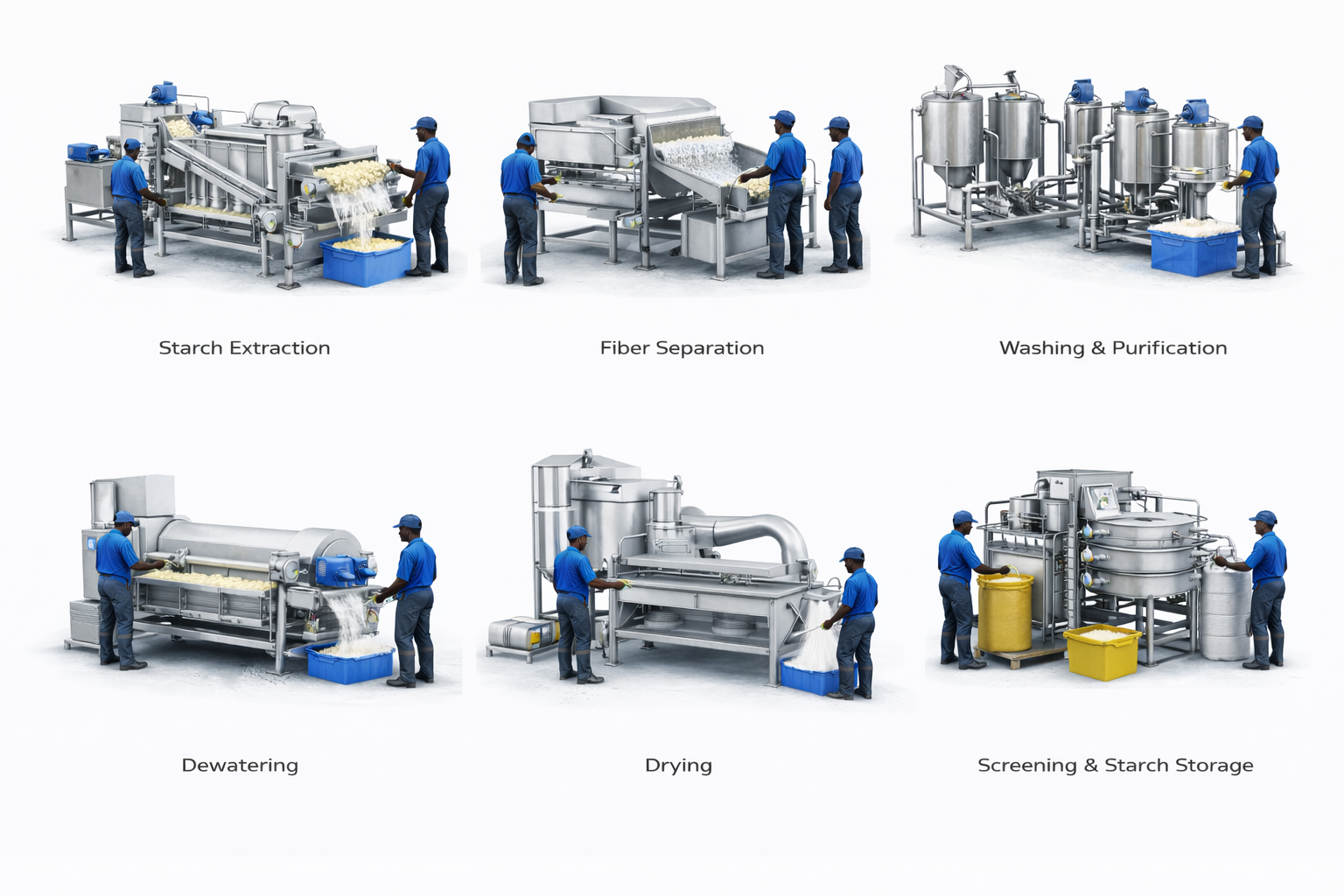
Separation & Refinement
Industrial separation systems supporting high-quality starch refinement and consistency.
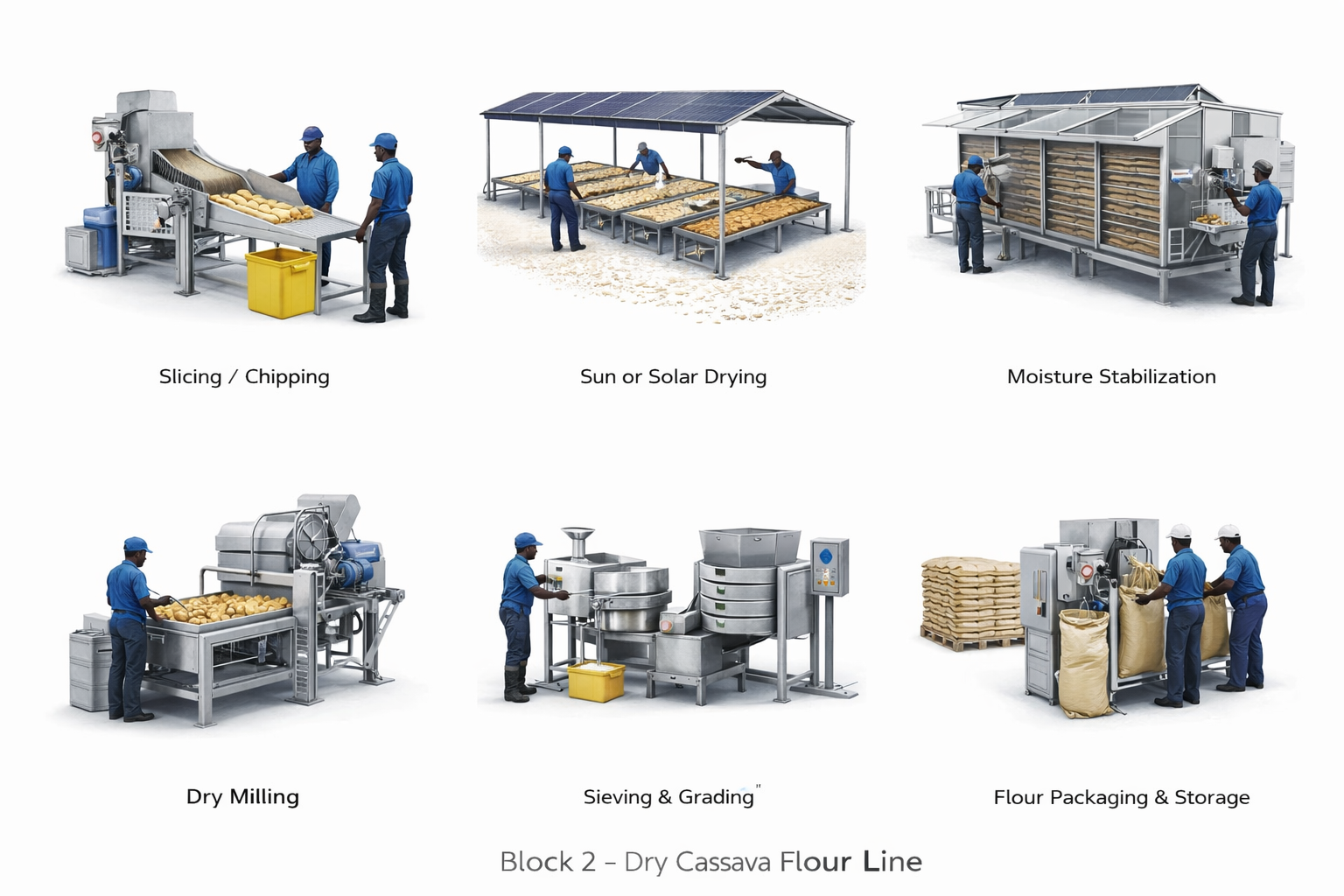
Dewatering & Drying
Industrial drying infrastructure utilizing energy-efficient moisture reduction systems.
Packaging & Storage
Automated packaging systems, warehouse integration and export-ready logistics.
Manufacturing Applications Across Multiple Industries
High-performance industrial starch solutions engineered for diverse applications across global industries and scalable manufacturing ecosystems.
Integrated industrial starch applications supporting scalable manufacturing ecosystems, industrial supply chains and export-oriented production infrastructure.
Discuss Industrial Applications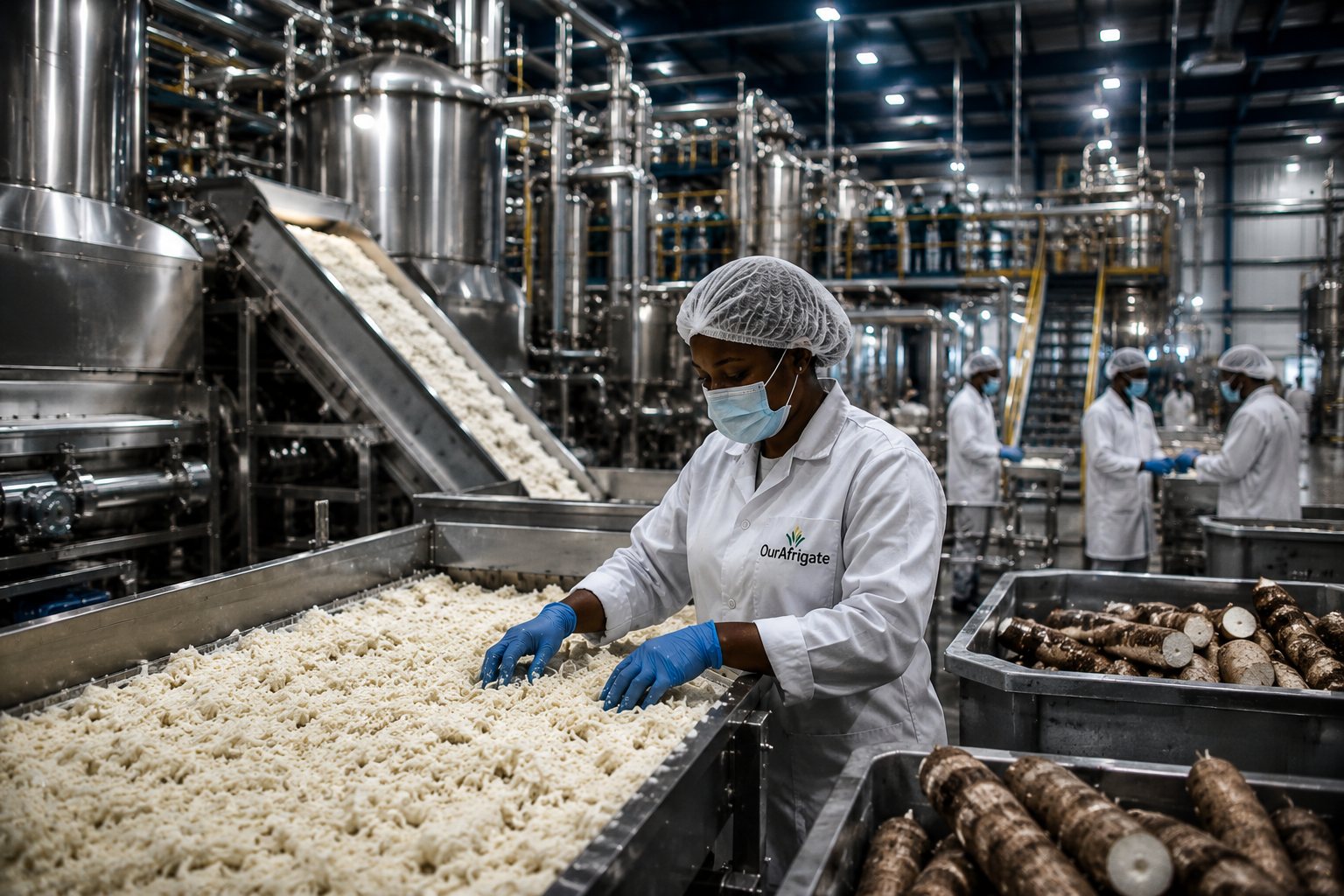
Food Manufacturing
Cassava starch applications for processed foods, bakery systems, noodles, thickening agents and industrial ingredient production.
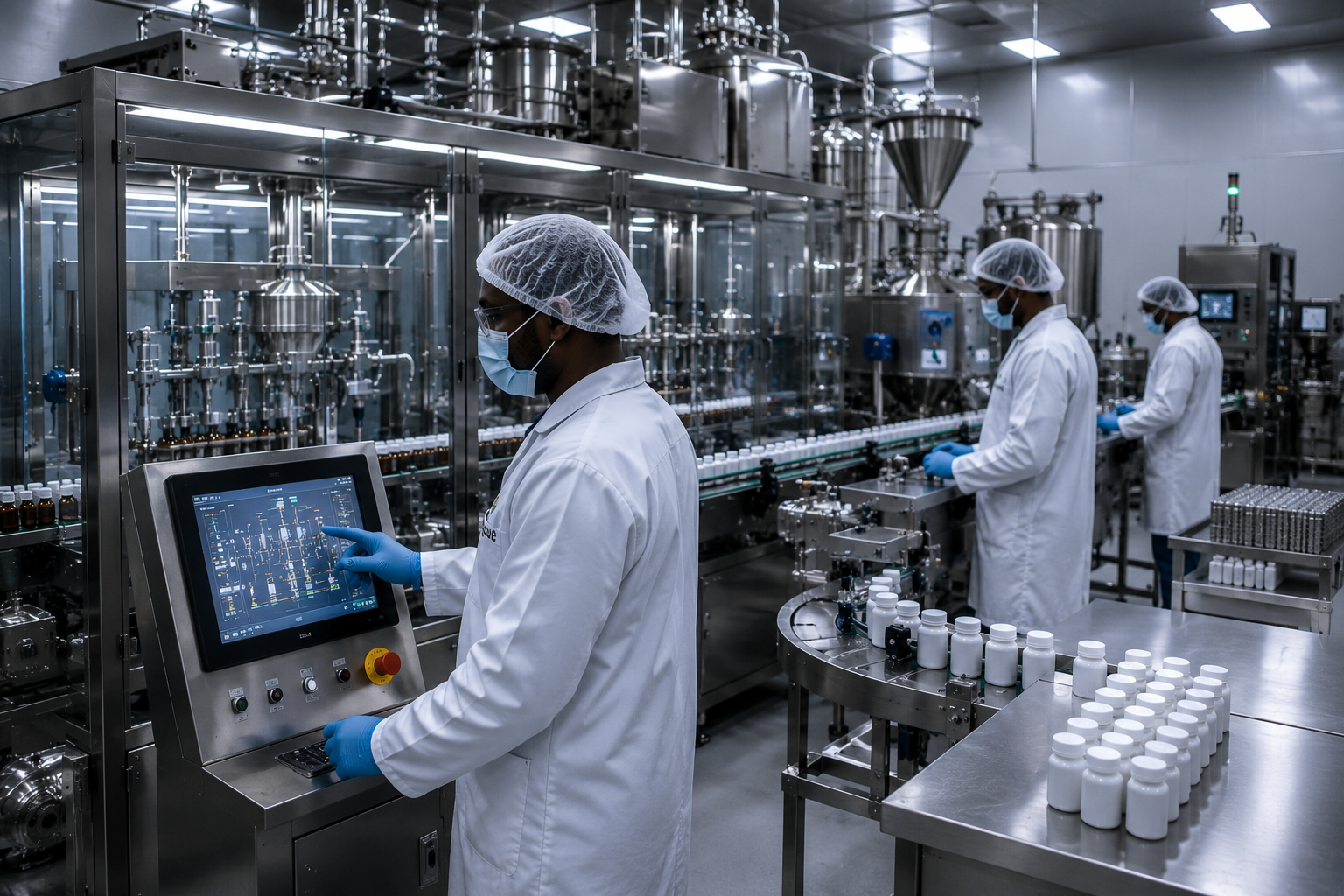
Pharmaceutical Industry
Medical-grade starch applications supporting pharmaceutical binders, fillers and industrial medical processing systems.
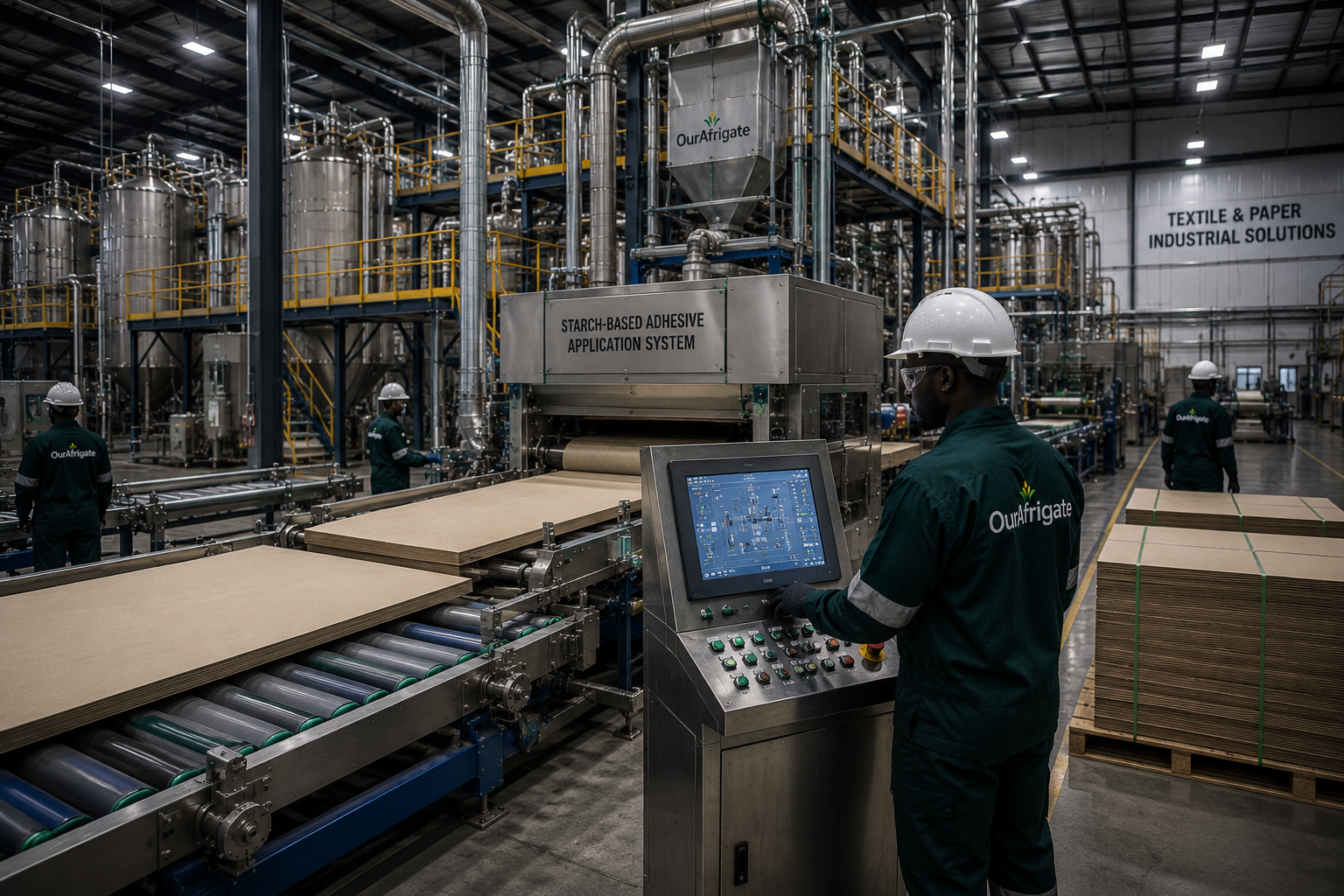
Industrial Materials
Industrial starch integration across adhesives, textiles, paper manufacturing and packaging systems.
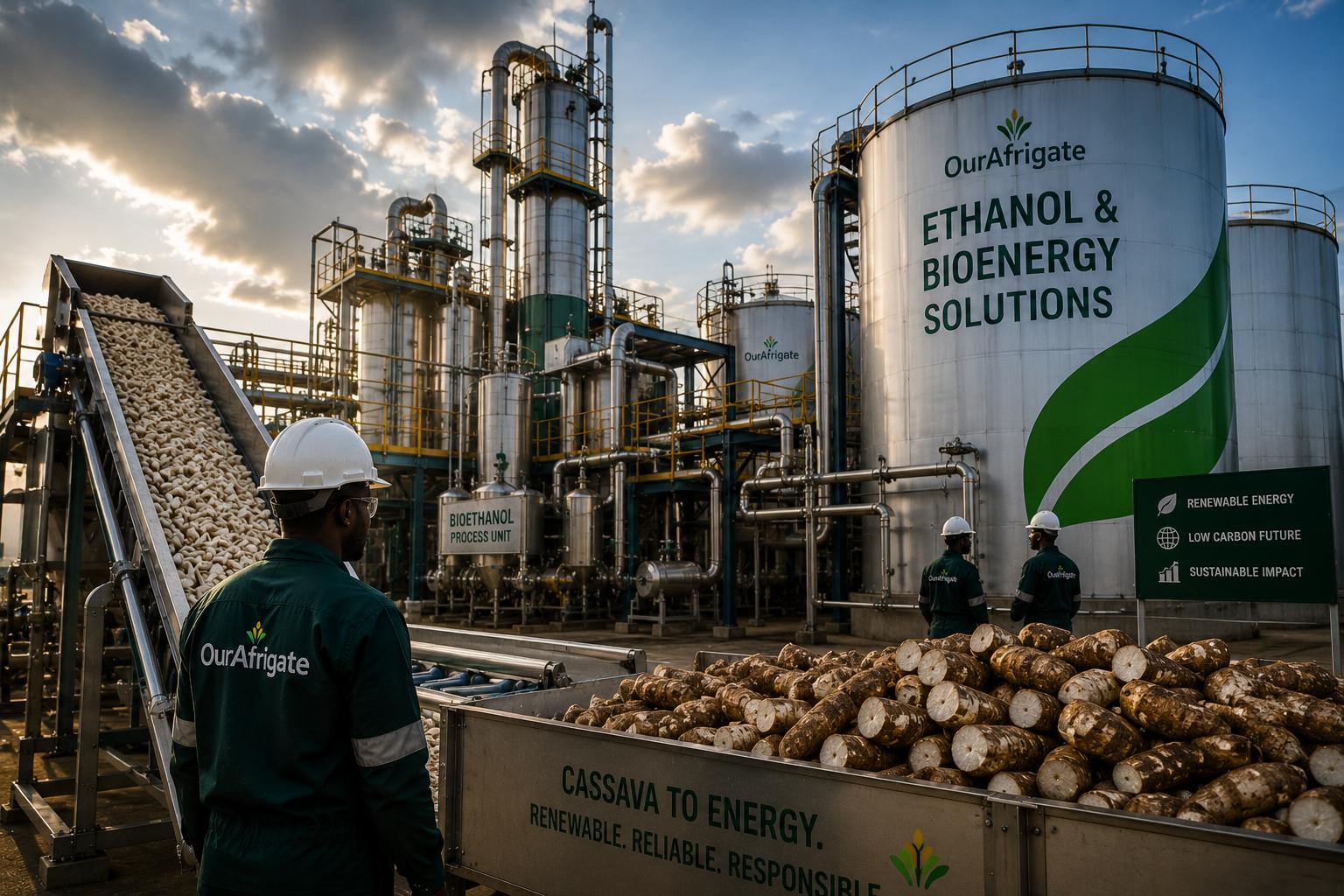
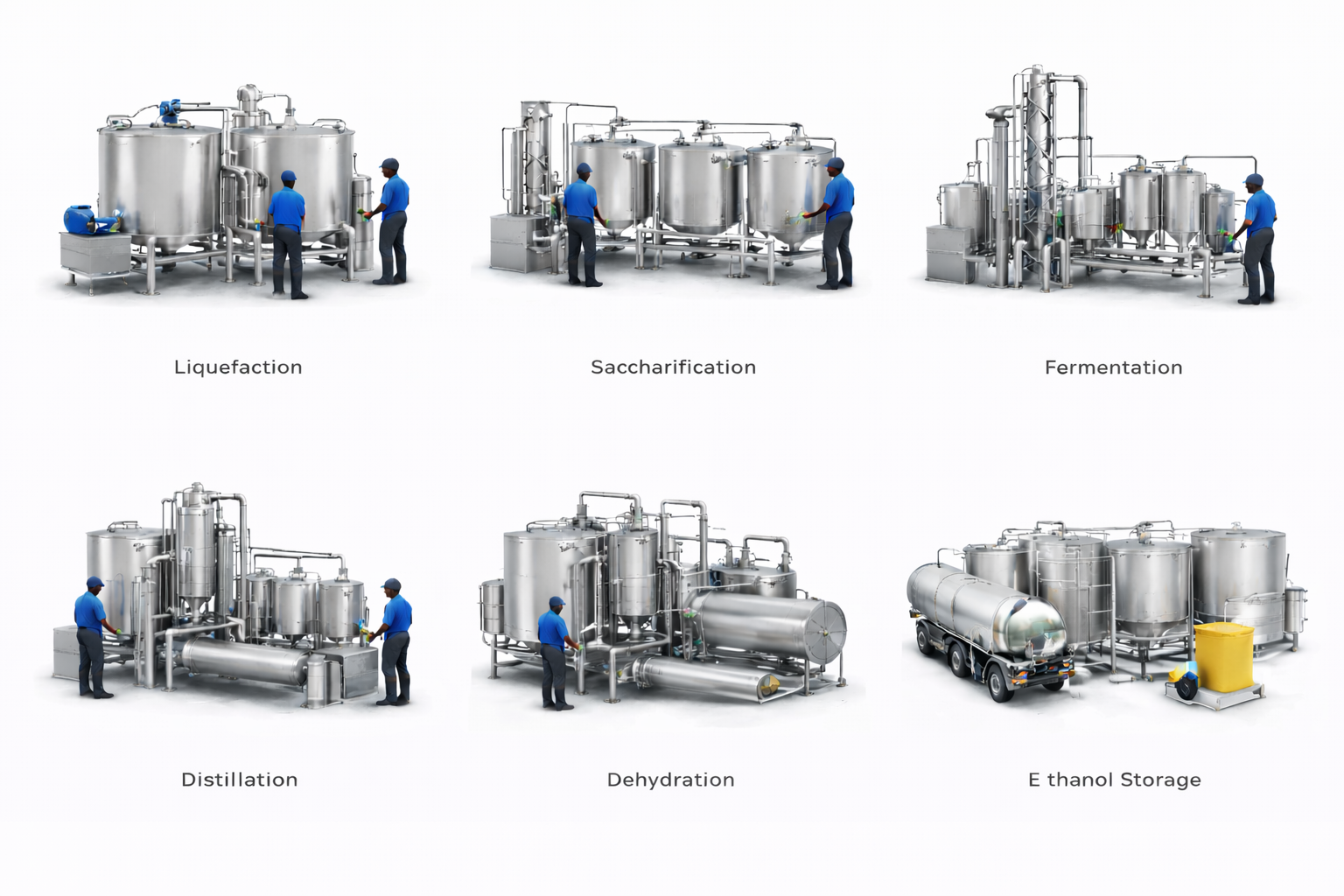
Ethanol & Bioenergy
Cassava-based industrial ethanol production supporting renewable energy and industrial fuel systems.
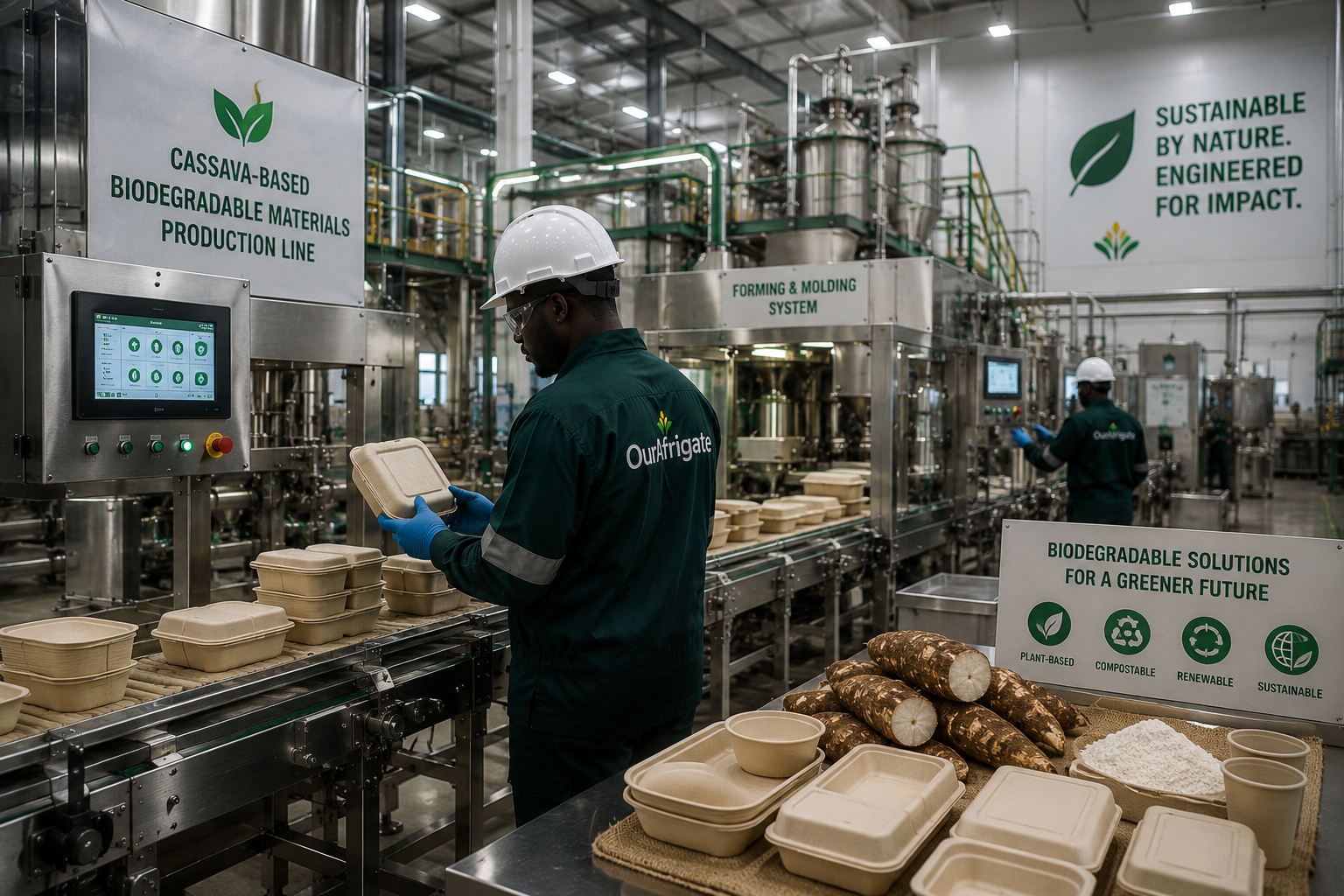
Biodegradable Materials
Sustainable manufacturing systems supporting bioplastics and environmentally responsible packaging solutions.
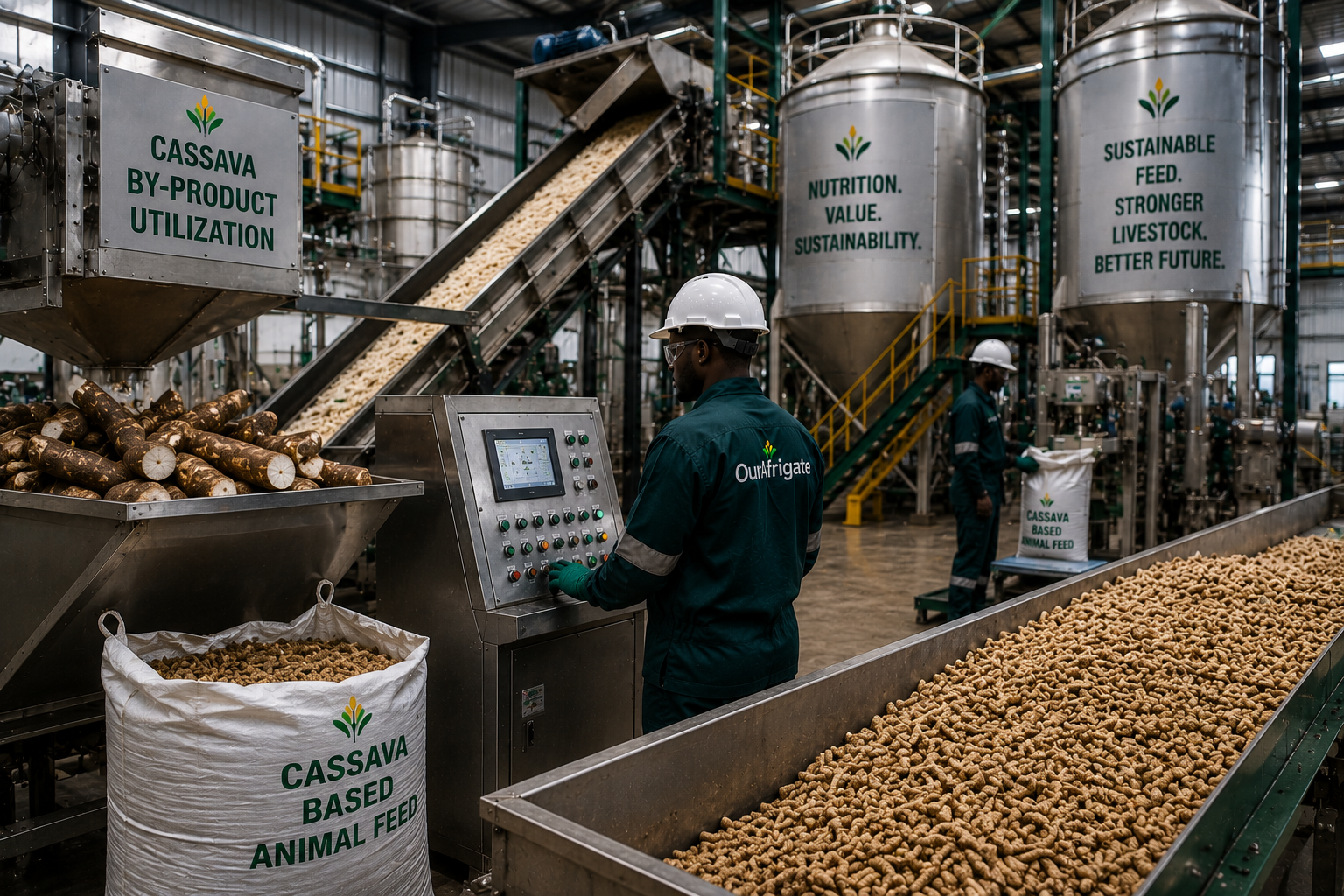
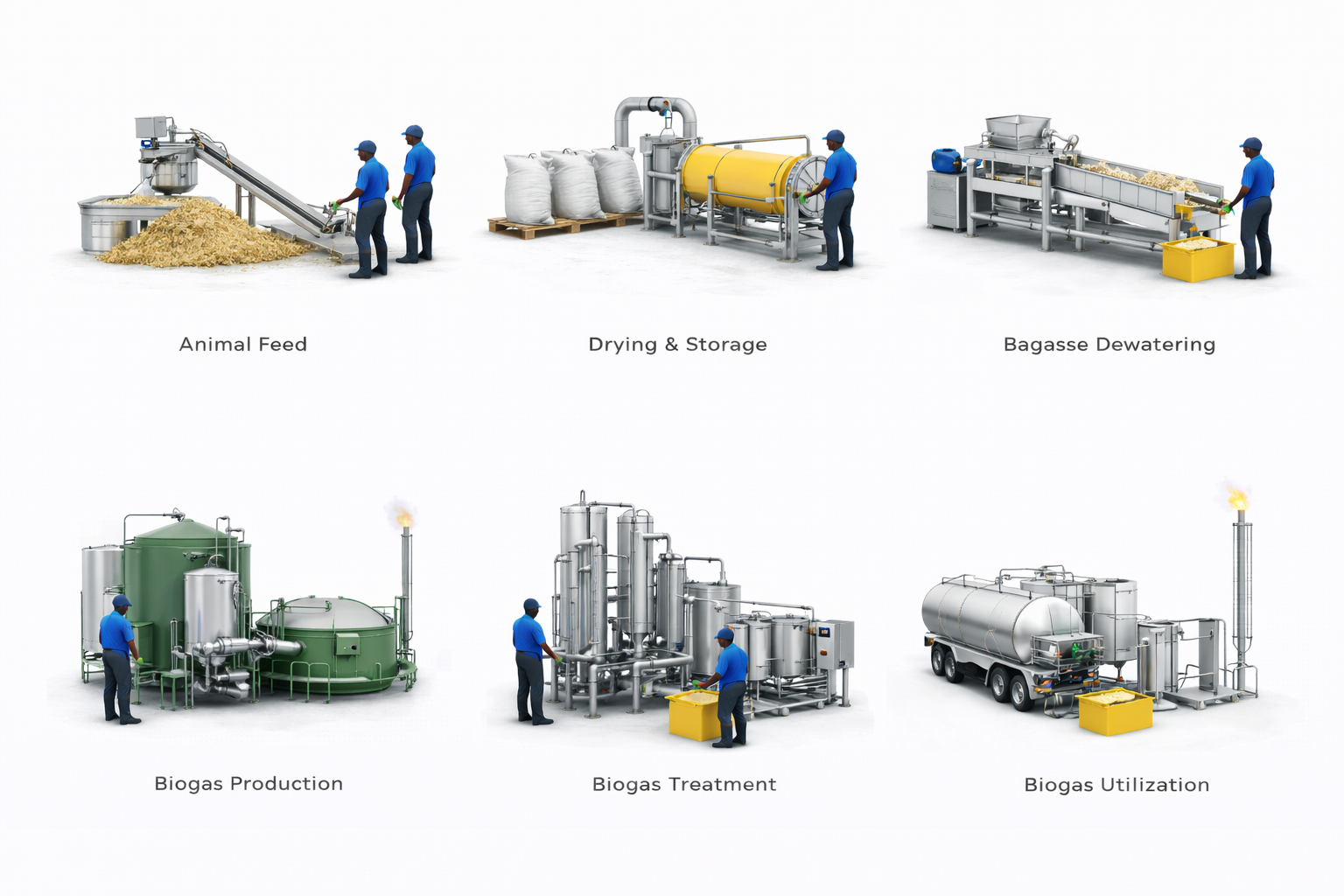
Animal Feed & Byproduct Utilization
Residual processing conversion systems supporting secondary industrial applications and feed integration.
Designed for Regional Manufacturing & Export Expansion
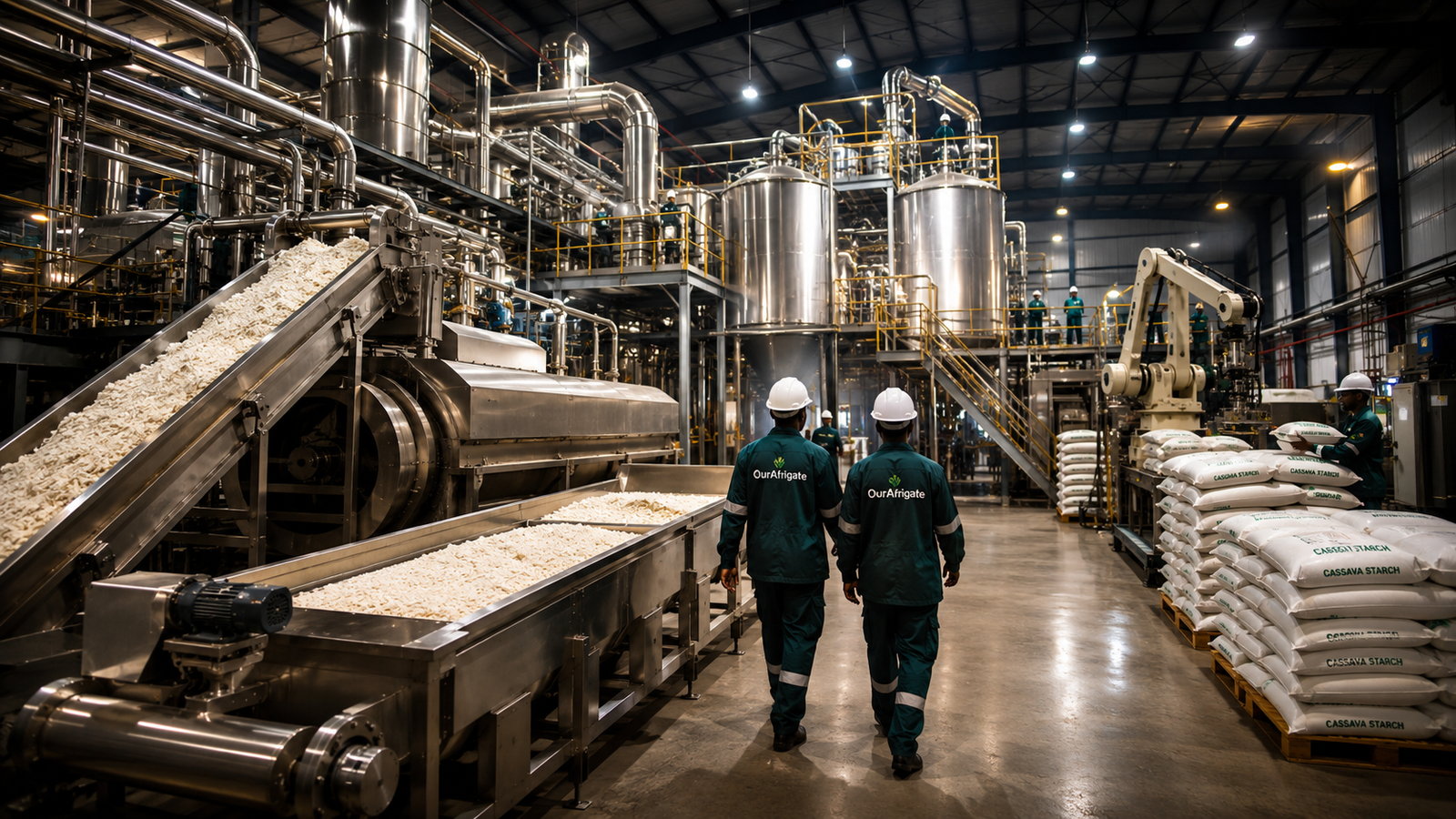
OurAfrigate structures cassava transformation facilities as scalable industrial platforms capable of supporting regional manufacturing ecosystems, export-oriented production systems, and long-term industrial growth across Africa.
Modular infrastructure planning enables production expansion without disrupting operational continuity while supporting future downstream manufacturing opportunities.
Scalable Industrial Infrastructure
Enterprise-scale industrial ecosystems engineered for future manufacturing growth, export competitiveness, regional industrial integration, and global supply-chain connectivity.

Standalone Processing Facilities
Scalable industrial processing plants engineered for independent starch production and regional manufacturing integration.
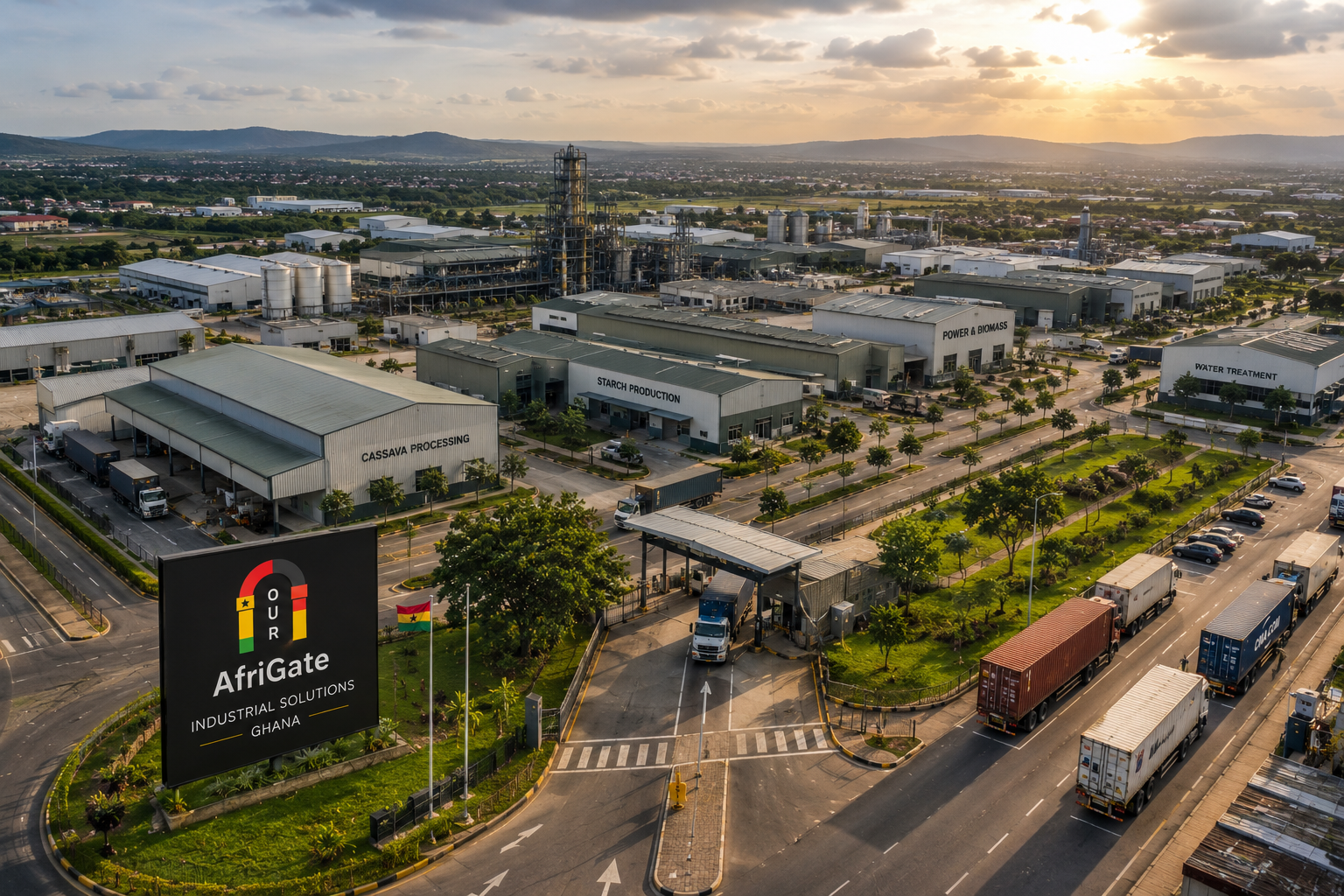
Integrated Industrial Parks
Large-scale industrial ecosystems integrating processing, utilities, logistics infrastructure, and downstream manufacturing systems.
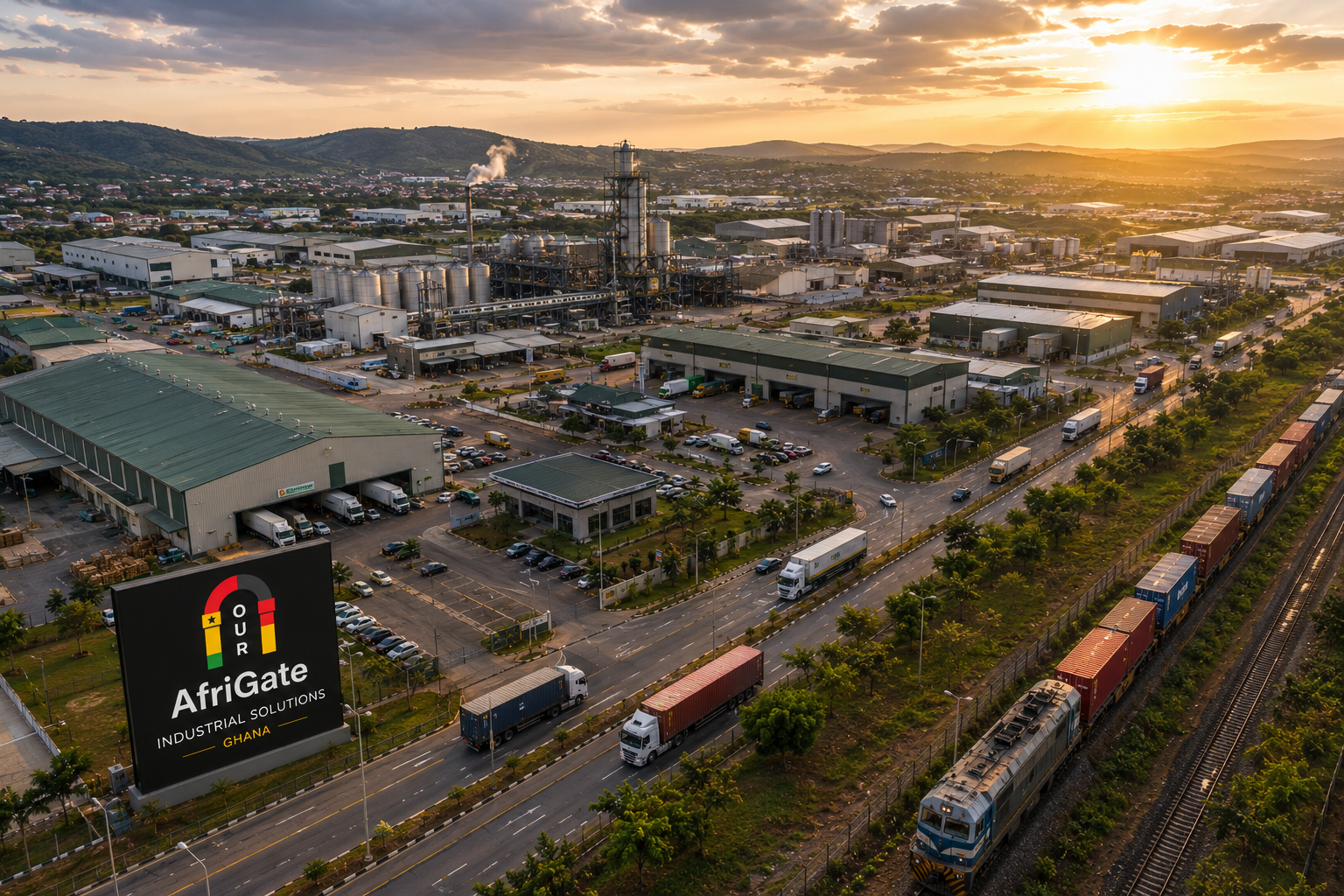
Regional Manufacturing Hubs
Strategic manufacturing ecosystems supporting industrial clustering, logistics expansion, and regional production connectivity.

Export-Oriented Industrial Ecosystems
Integrated export coordination systems supporting global supply chains, logistics infrastructure, and international industrial distribution.