
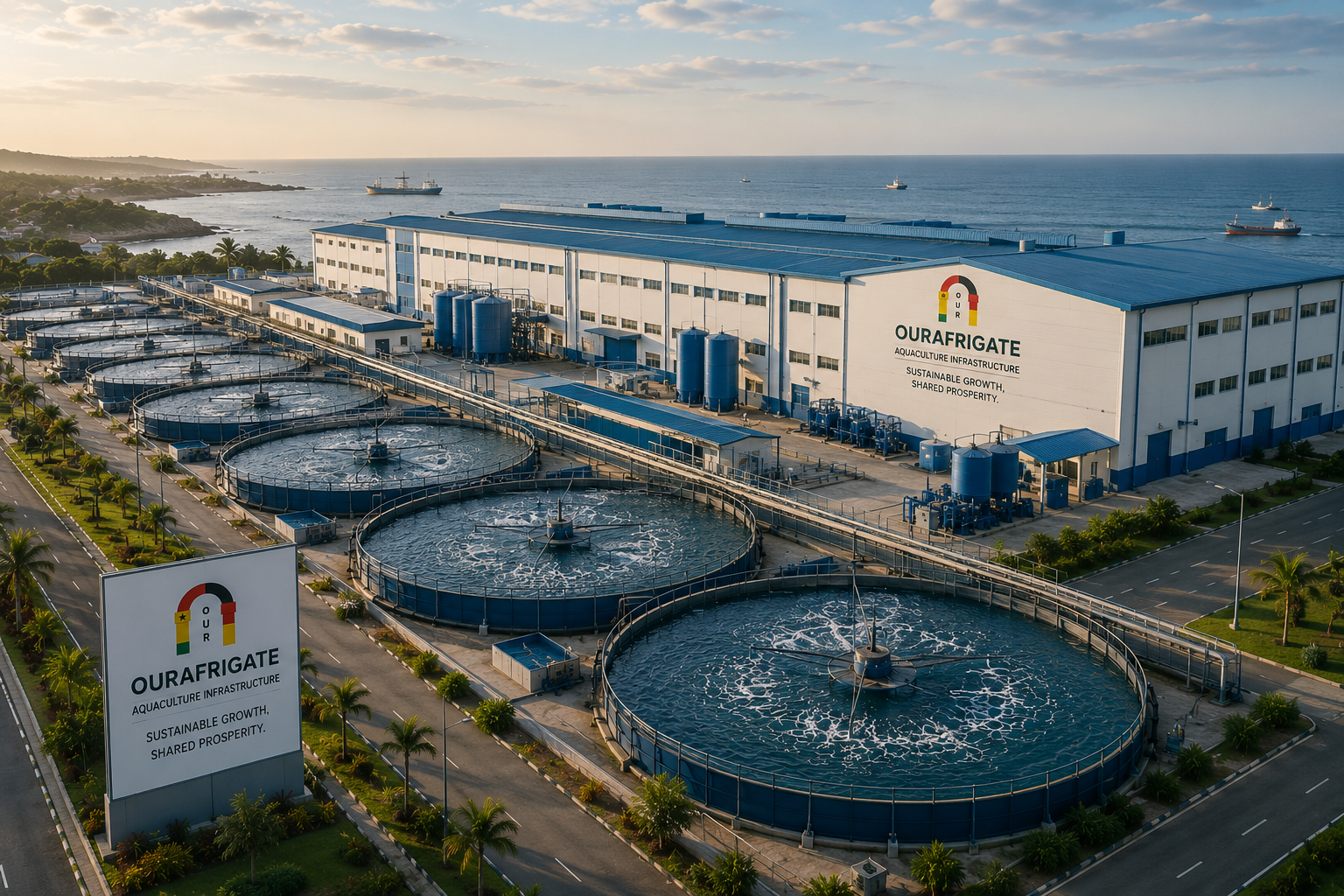
Building Industrial Fisheries & Aquaculture Systems For The Next Generation Of Growth
The Blue Economy represents one of the most significant opportunities for industrial advancement across Africa. Through modern fisheries, commercial aquaculture and integrated production ecosystems, marine resources can support resilient food systems, diversified economic activity and sustainable industrial expansion.
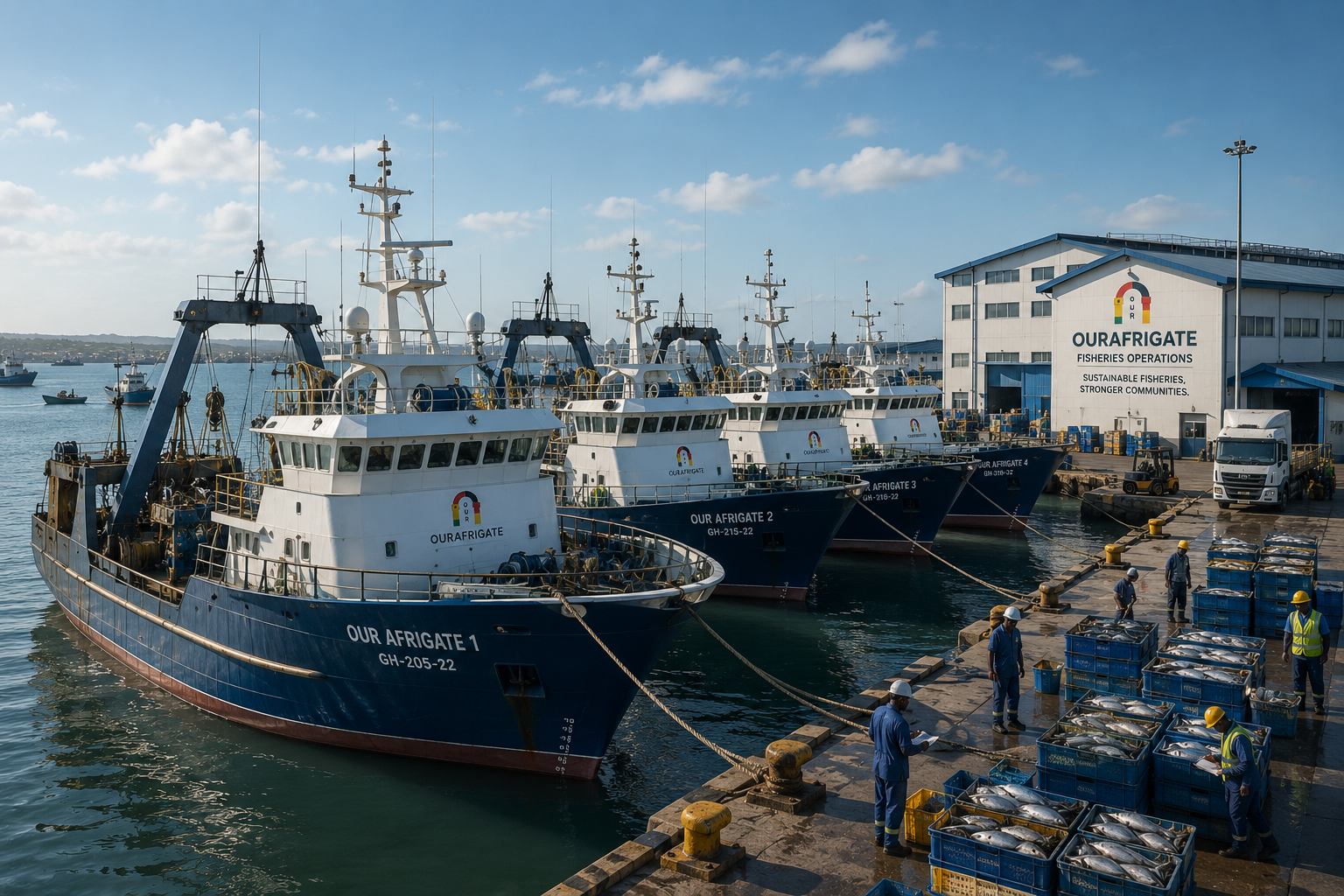
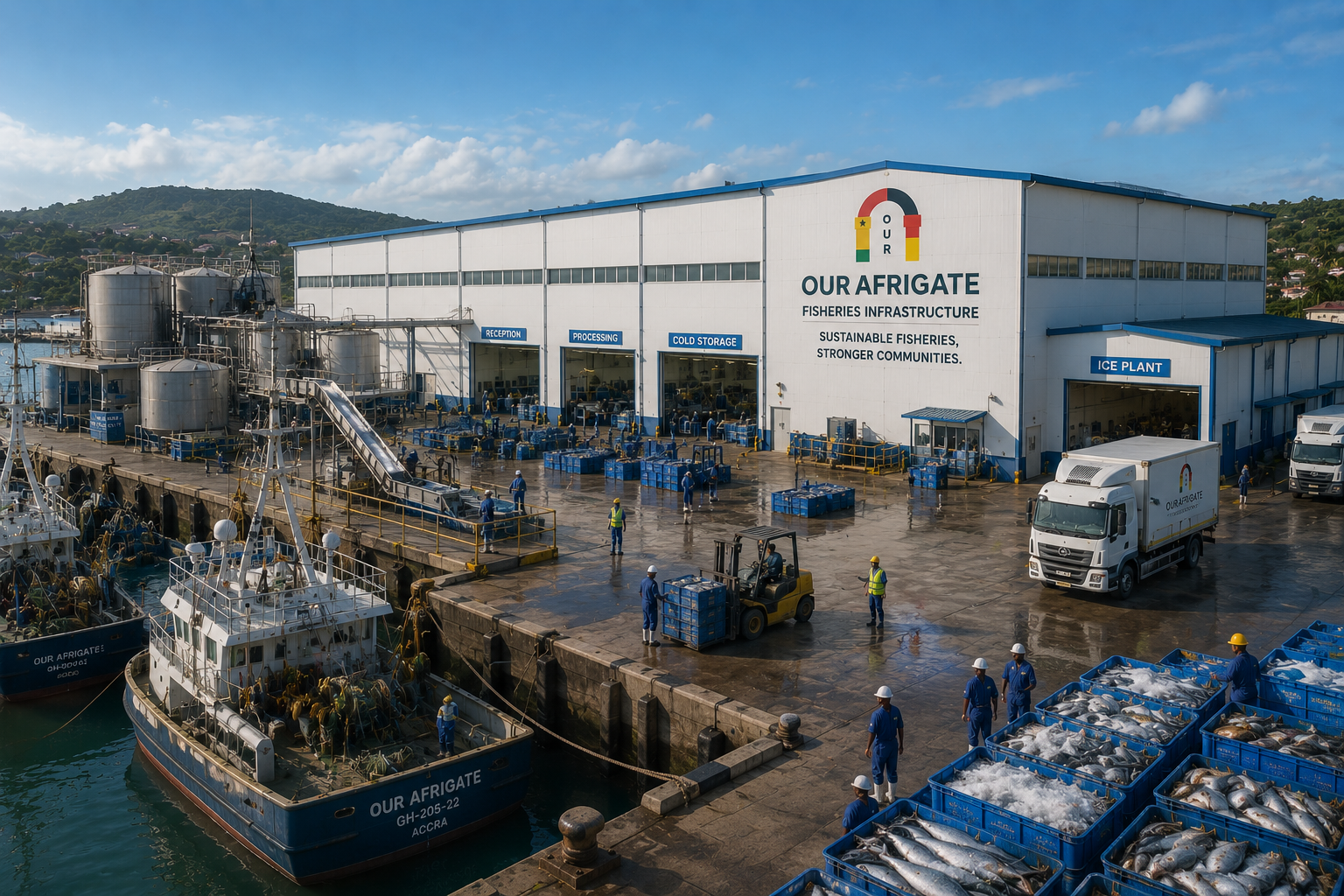
Food Security
Reliable seafood production supporting growing populations and strengthening domestic food systems.
Aquaculture Expansion
Modern production environments designed to improve supply consistency and long-term sustainability.
Industrial Growth
Fisheries development supporting broader industrial participation and investment opportunities.
Resource Utilization
Unlocking greater value from marine resources through integrated production ecosystems.
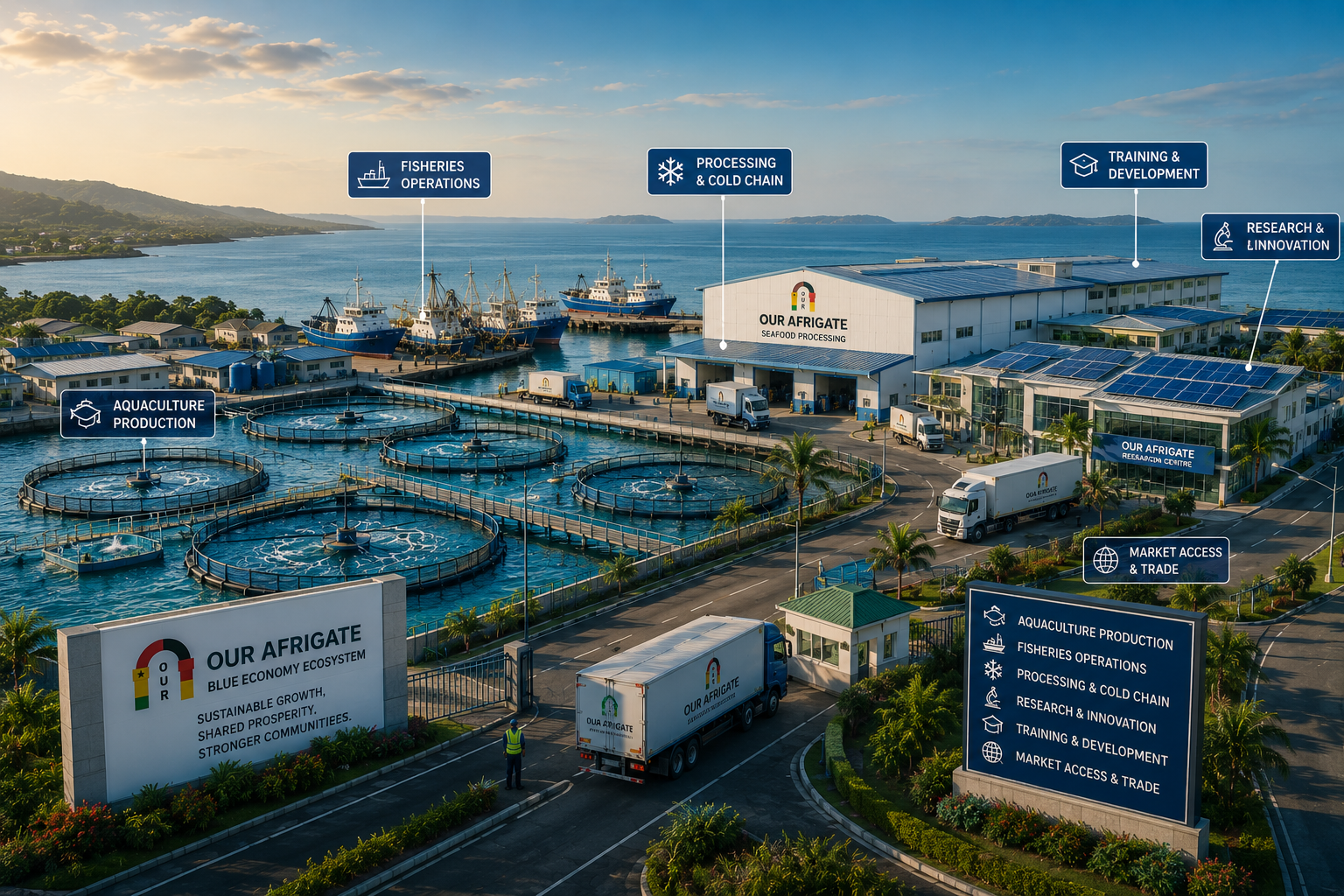
Transforming Marine Resources Into Sustainable Economic Value
Industrial fisheries and aquaculture systems create a foundation for long-term development by connecting marine resources, production capacity and investment opportunities into scalable economic ecosystems.
Through strategic infrastructure development and modern production environments, the Blue Economy becomes a catalyst for industrial competitiveness, resilience and sustainable growth.
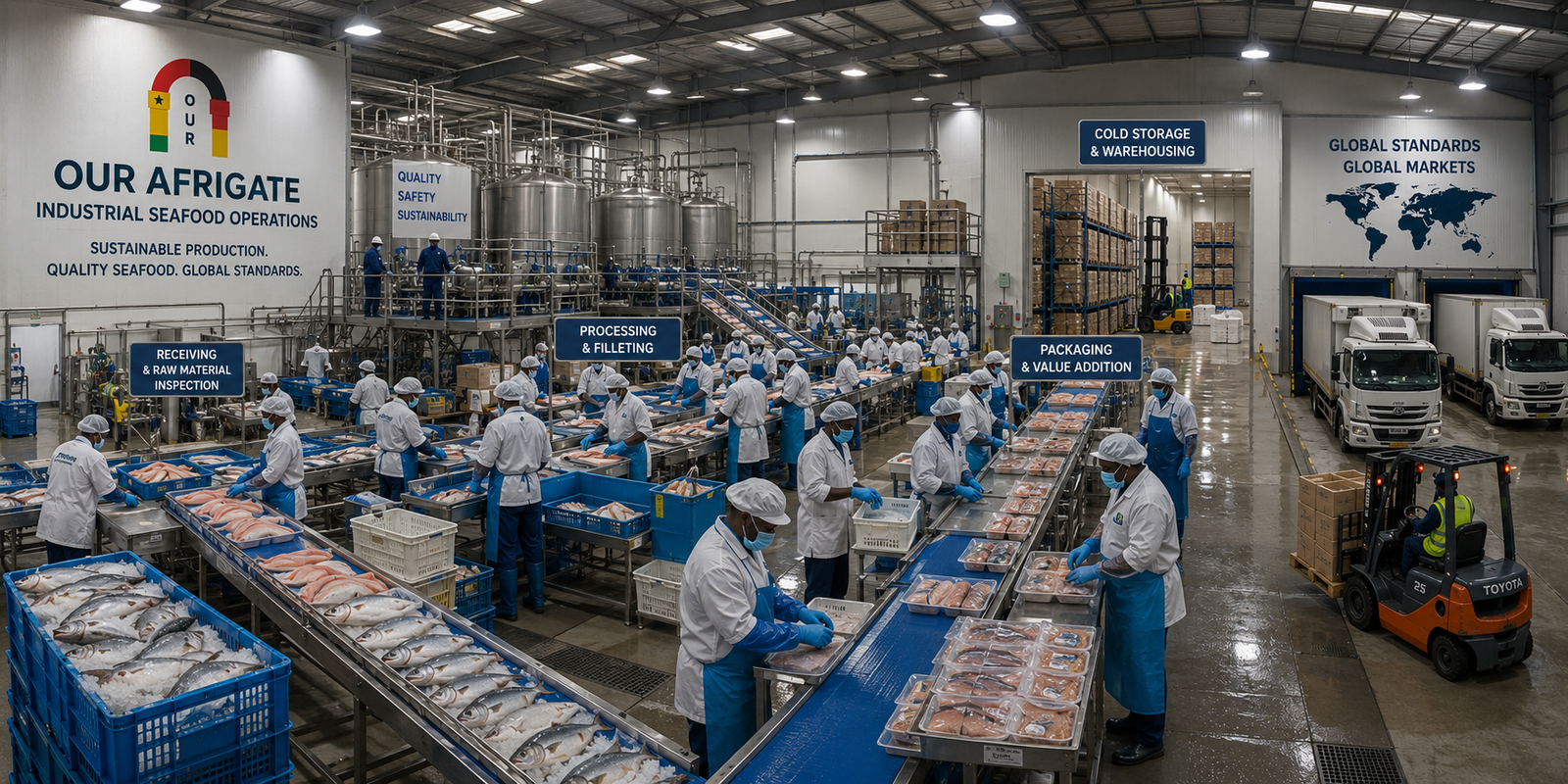
Delivering Consistency Across Modern Seafood Production Systems
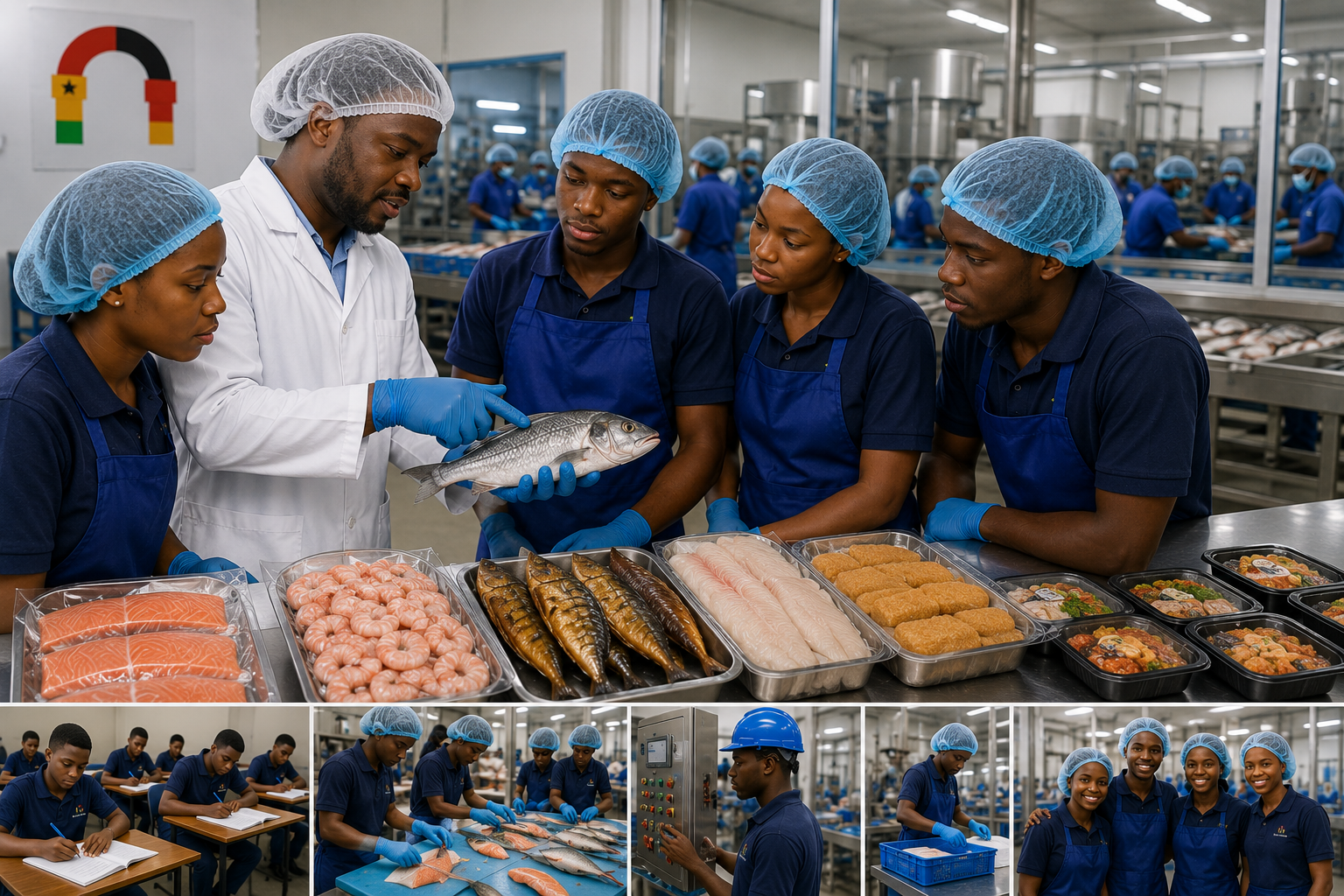
High-performance seafood operations depend on disciplined production environments, standardized procedures and integrated quality systems designed to maintain consistency throughout every stage of production. Modern facilities prioritize reliability, traceability and operational control to support demanding commercial requirements and long-term performance.
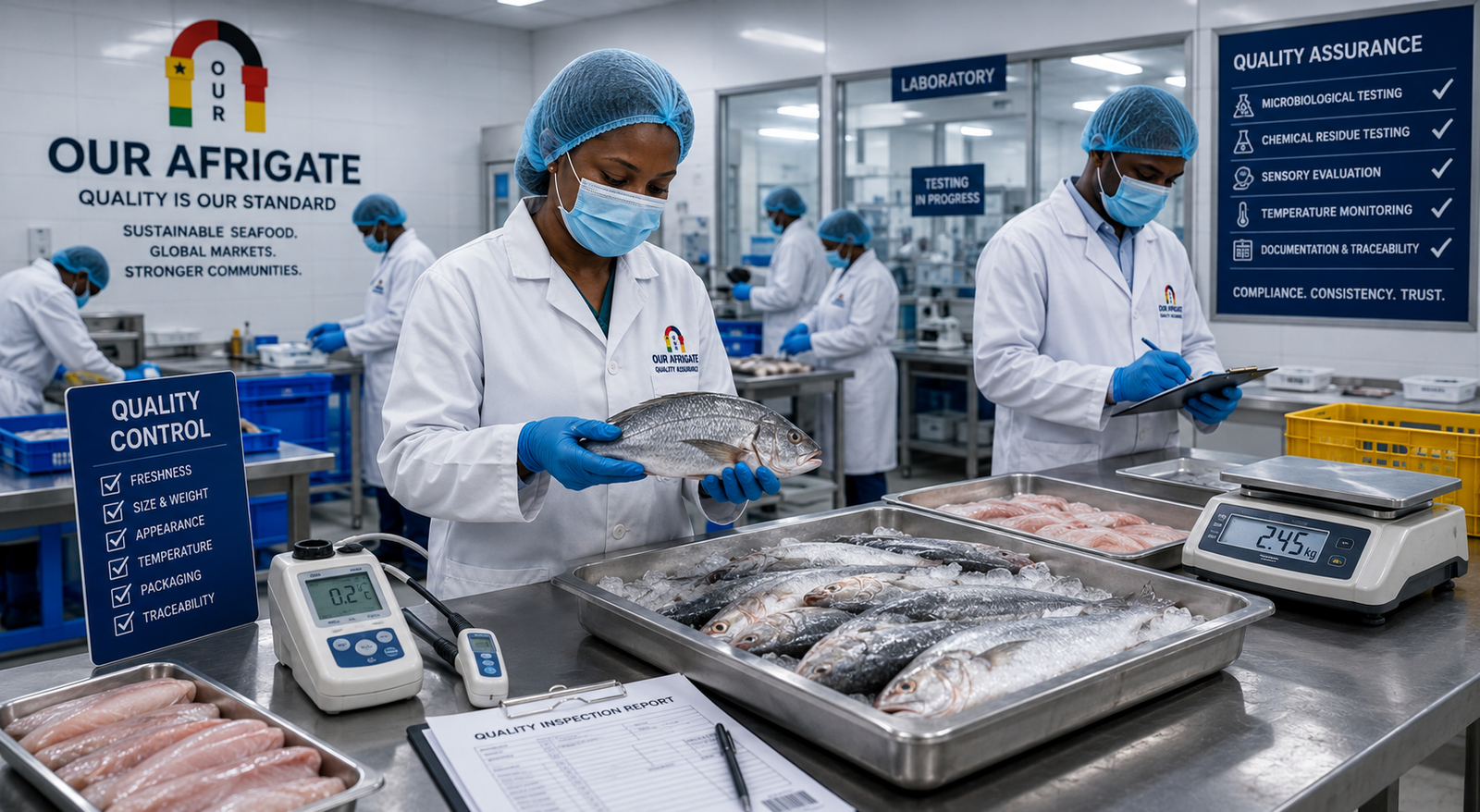
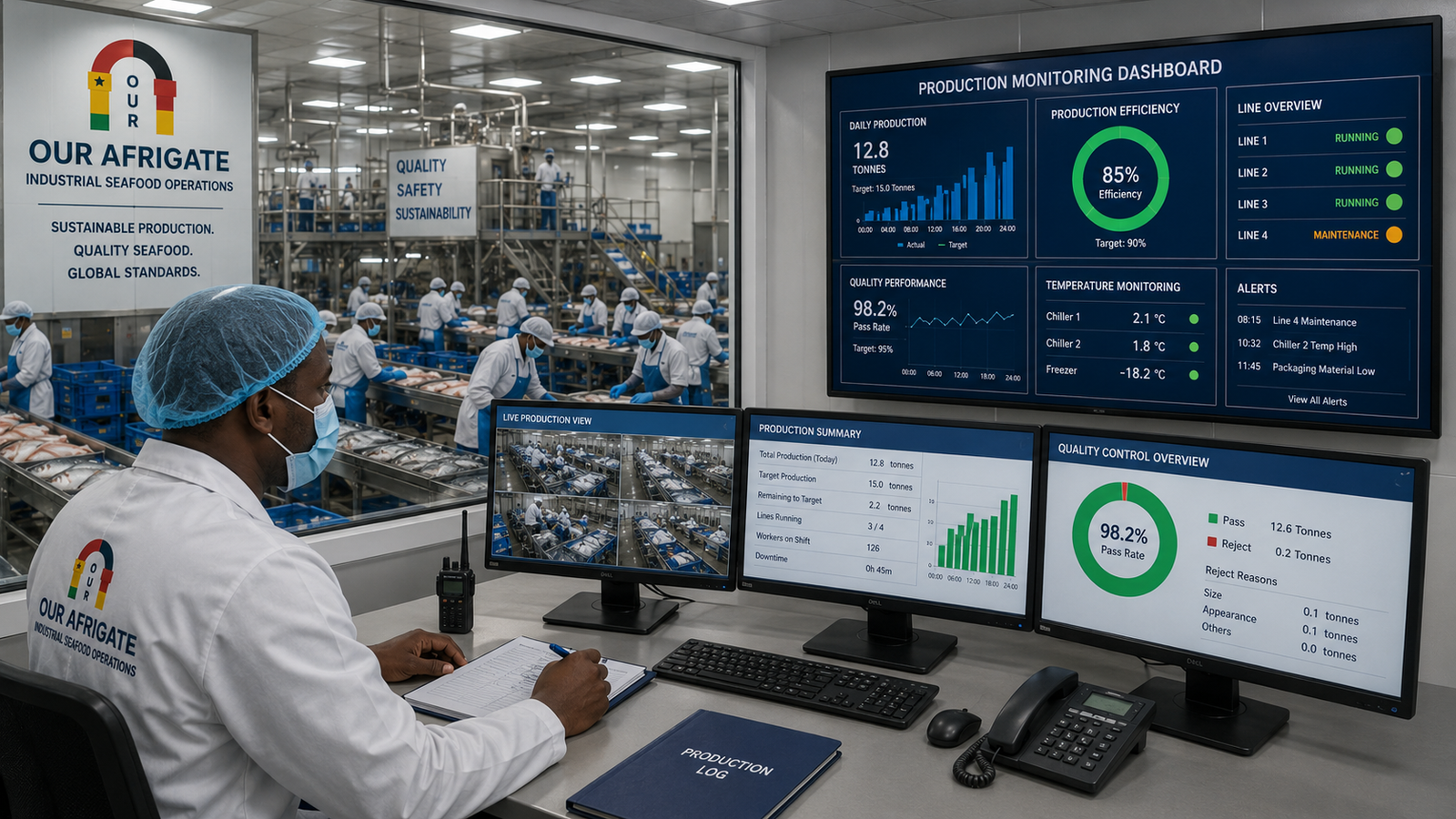
Quality Assurance
Structured procedures ensuring product consistency and operational reliability.
Production Standards
Standardized workflows supporting efficient and repeatable production environments.
Traceability Systems
Monitoring frameworks designed to maintain transparency throughout production.
Operational Discipline
Consistent execution supporting long-term performance and product integrity.
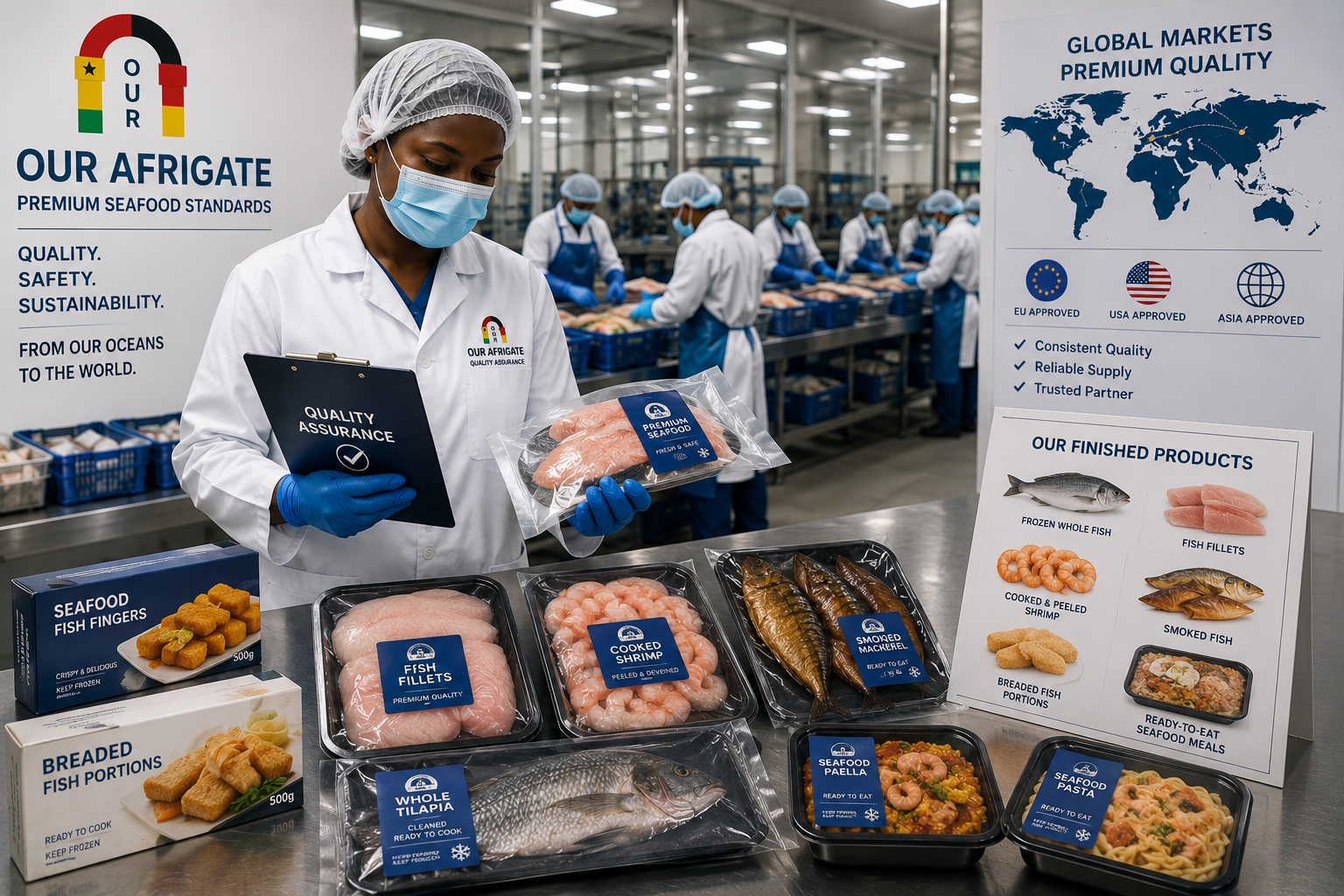
Maintaining High Standards Across Every Production Environment
Modern seafood systems rely on inspection procedures, process verification, environmental controls and quality management practices that support product integrity and operational consistency. Attention to detail throughout production contributes to dependable outcomes and long-term commercial confidence.
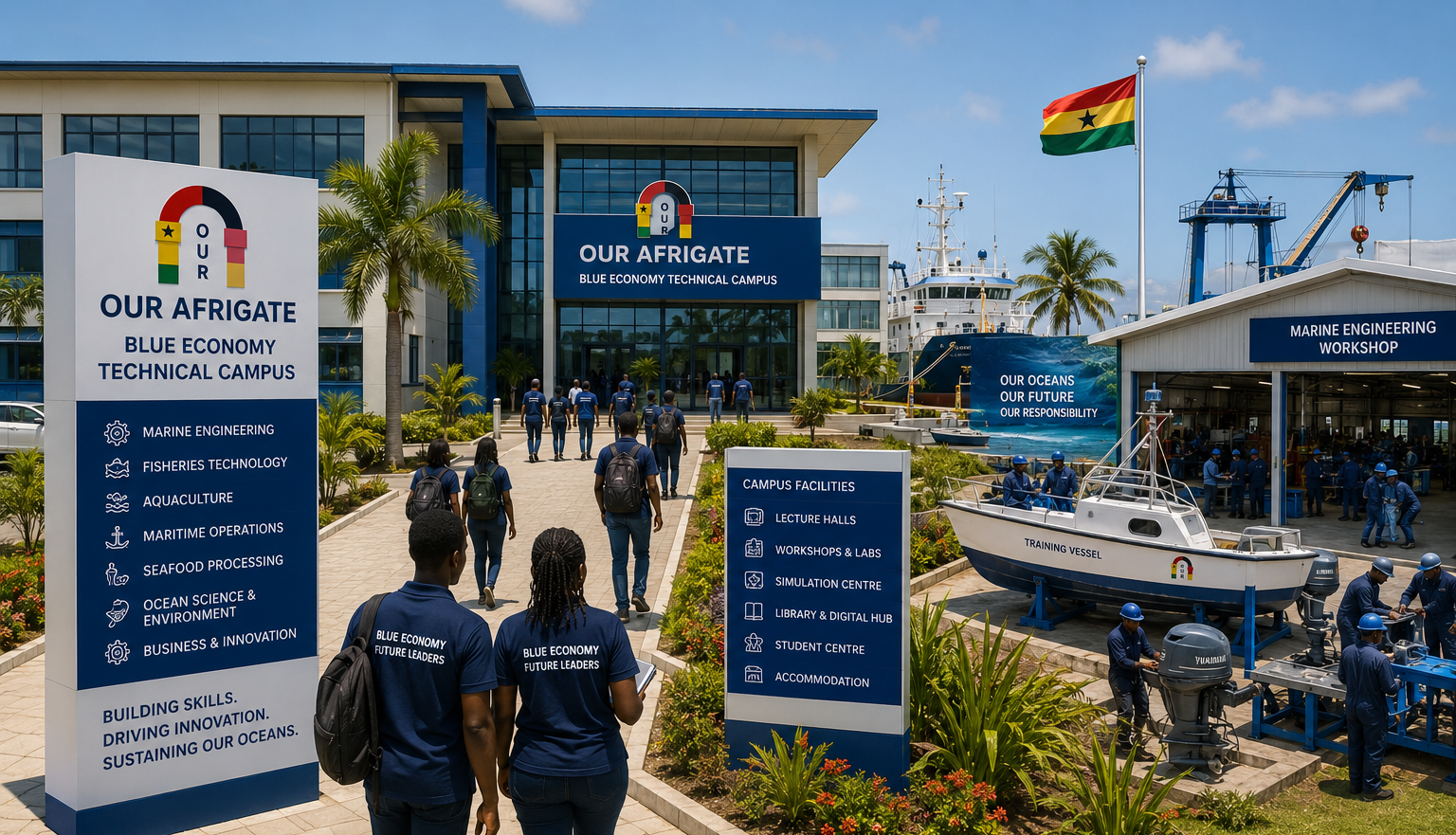
Developing The Talent, Expertise & Leadership Behind Future Marine Industries
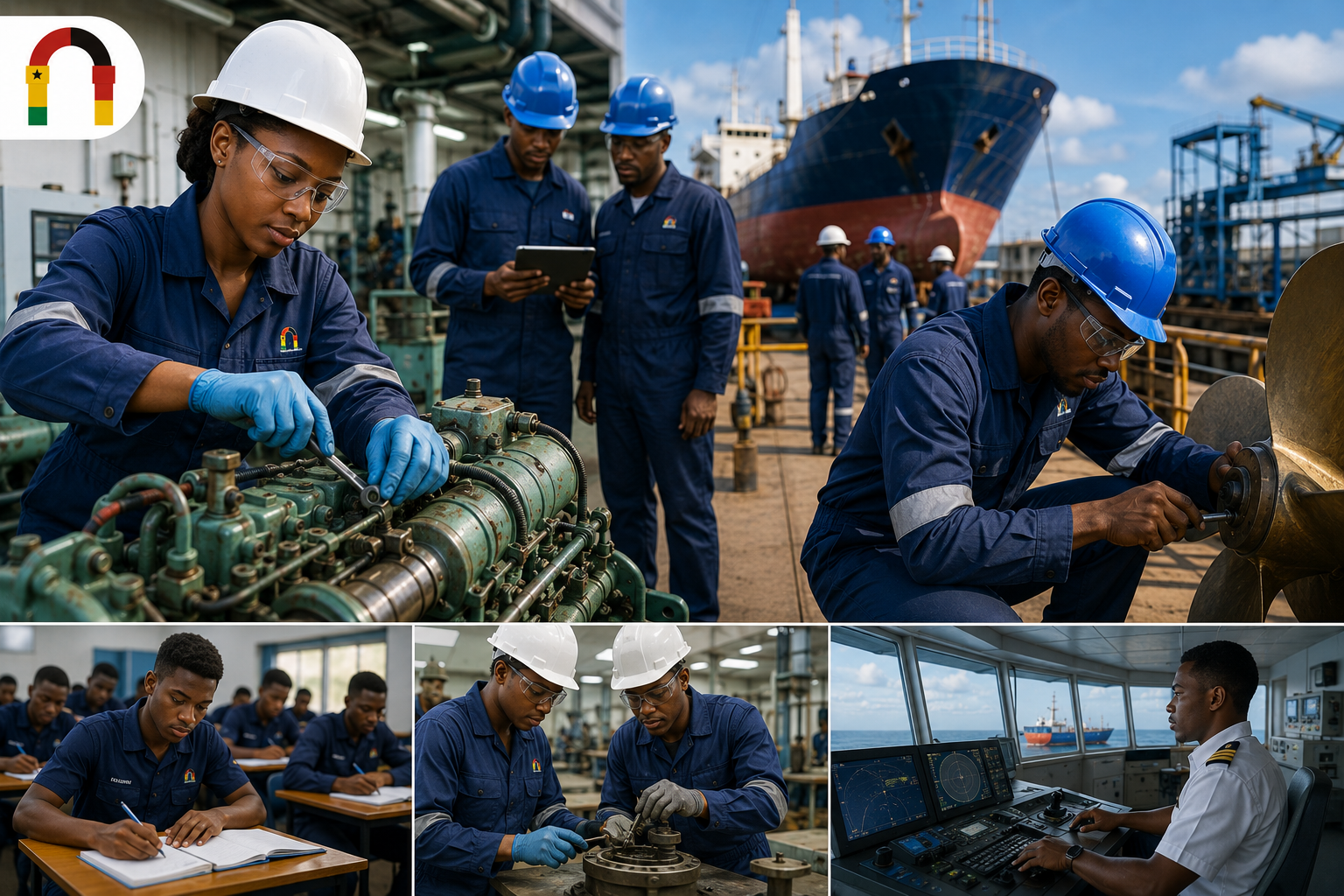
Sustainable industrial ecosystems rely on skilled professionals, technical specialists, engineers, managers and entrepreneurs capable of supporting increasingly advanced marine industries. Building local capability strengthens operational performance, encourages innovation and creates long-term foundations for industry competitiveness.
Technical Workforce
Developing practical skills required to support modern industrial operations.
Engineering Expertise
Building technical knowledge capable of supporting future industry expansion.
Professional Certifications
Strengthening competence through recognized industry standards and qualifications.
Future Leadership
Preparing managers, supervisors and entrepreneurs for tomorrow’s industries.
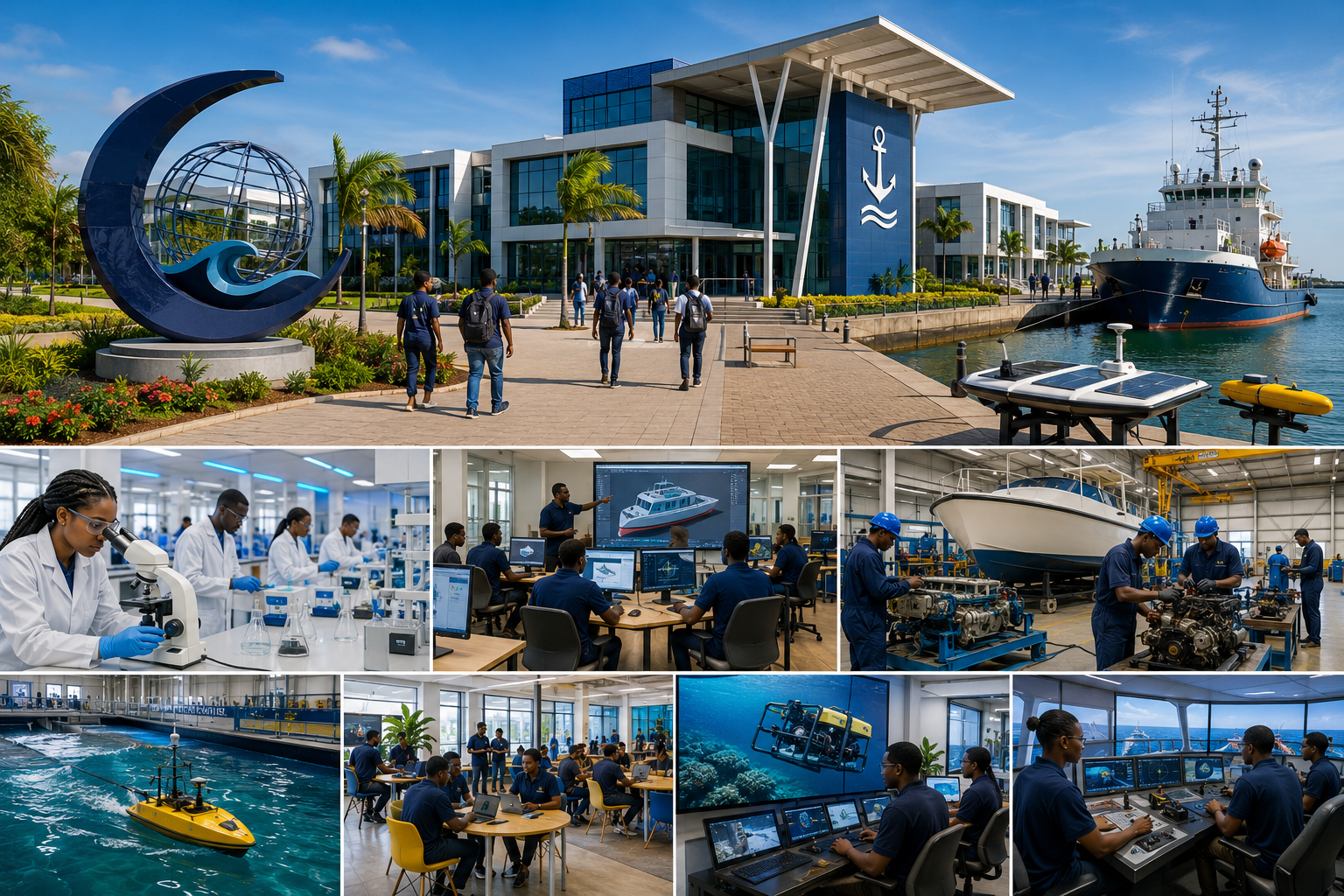
Building A Workforce Prepared For The Future Of Marine Industry
Competitive industries evolve through education, practical experience, collaboration and continuous improvement. Workforce development programs, industry partnerships and entrepreneurial initiatives help create the expertise required to support future opportunities throughout the broader marine economy.
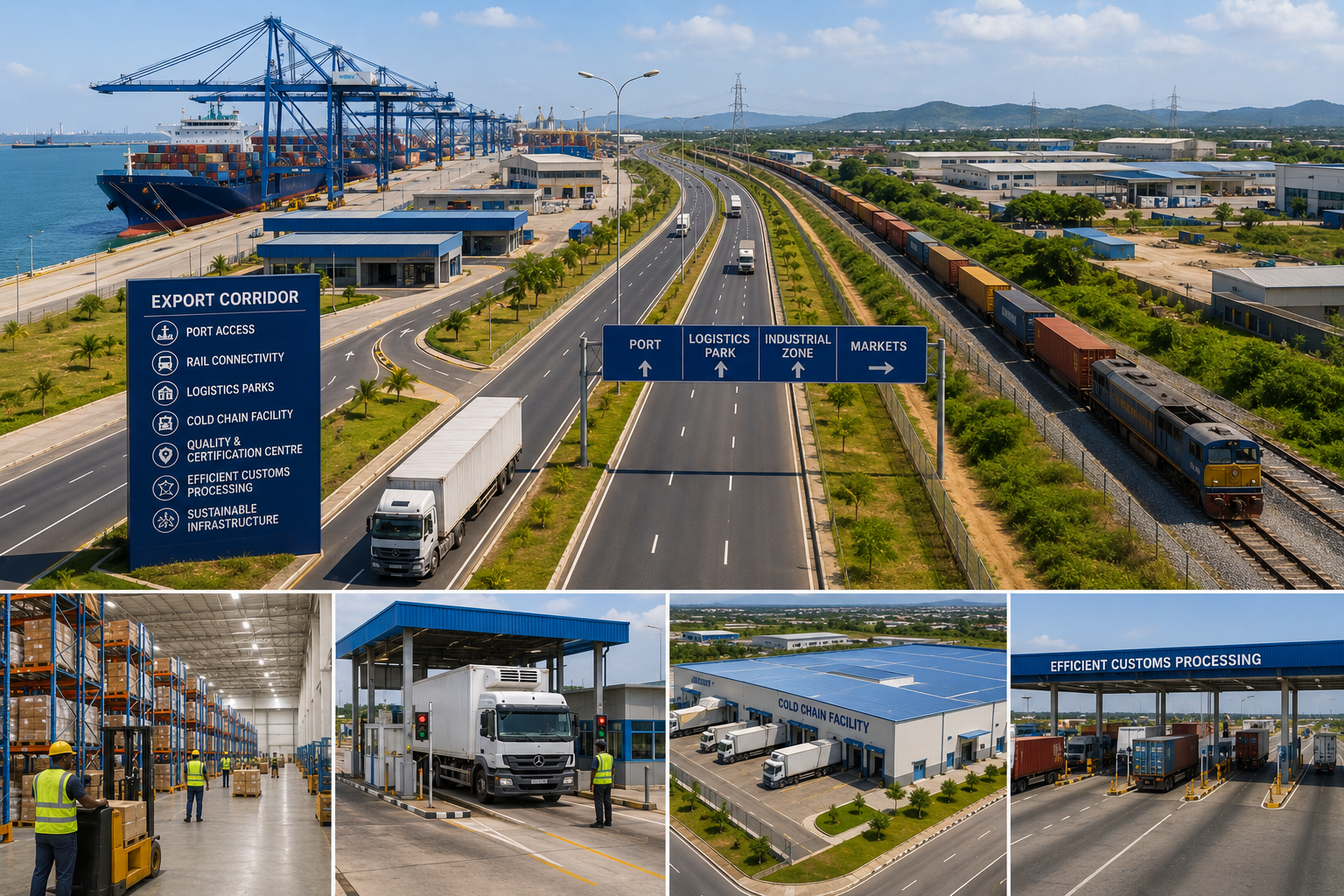
Connecting African Marine Industries To Regional & International Markets
Modern marine industries operate within increasingly interconnected commercial environments. Strategic market access, integrated trade networks and efficient distribution systems create opportunities for seafood products to reach customers across West Africa and global markets while supporting long-term competitiveness and commercial resilience.
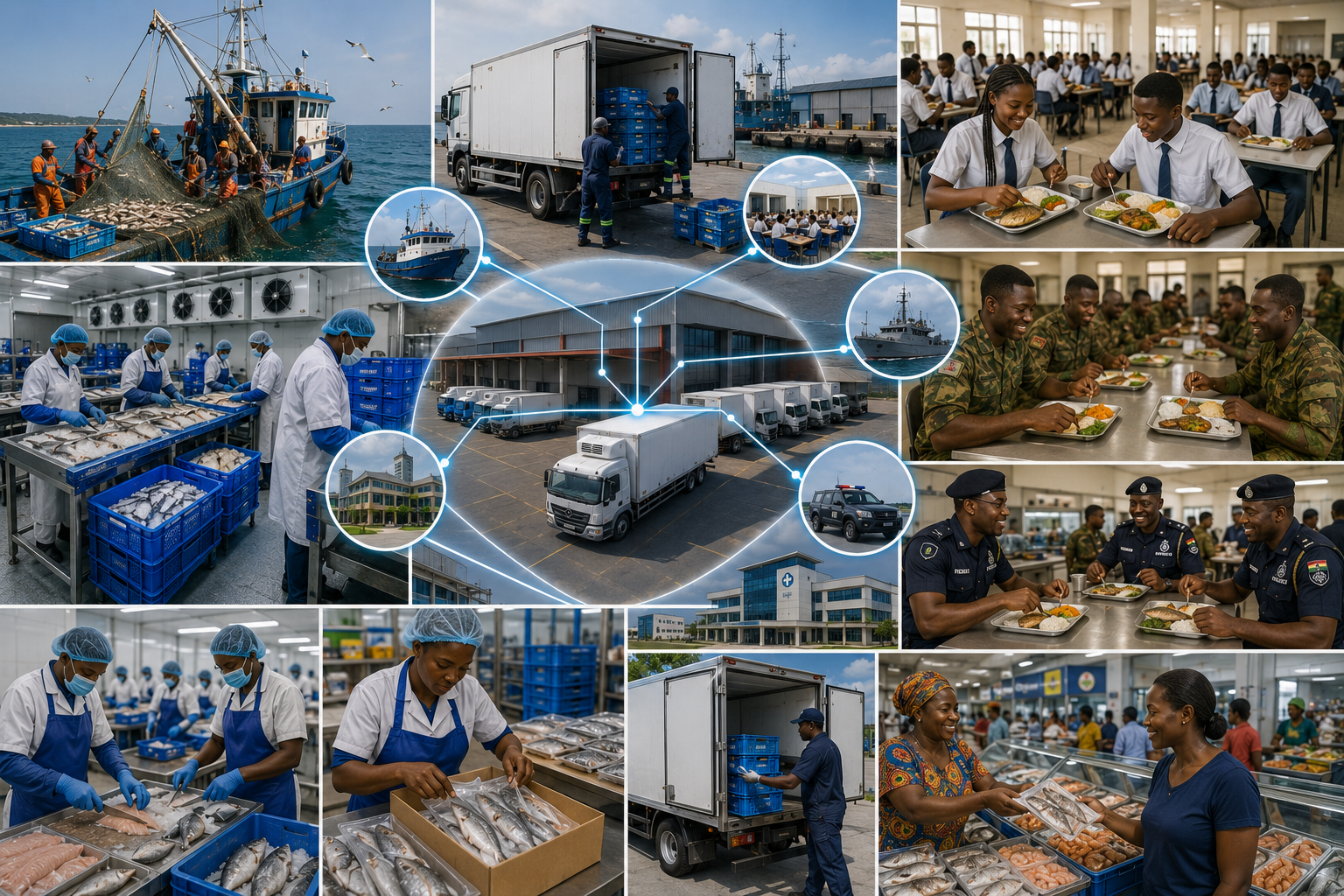
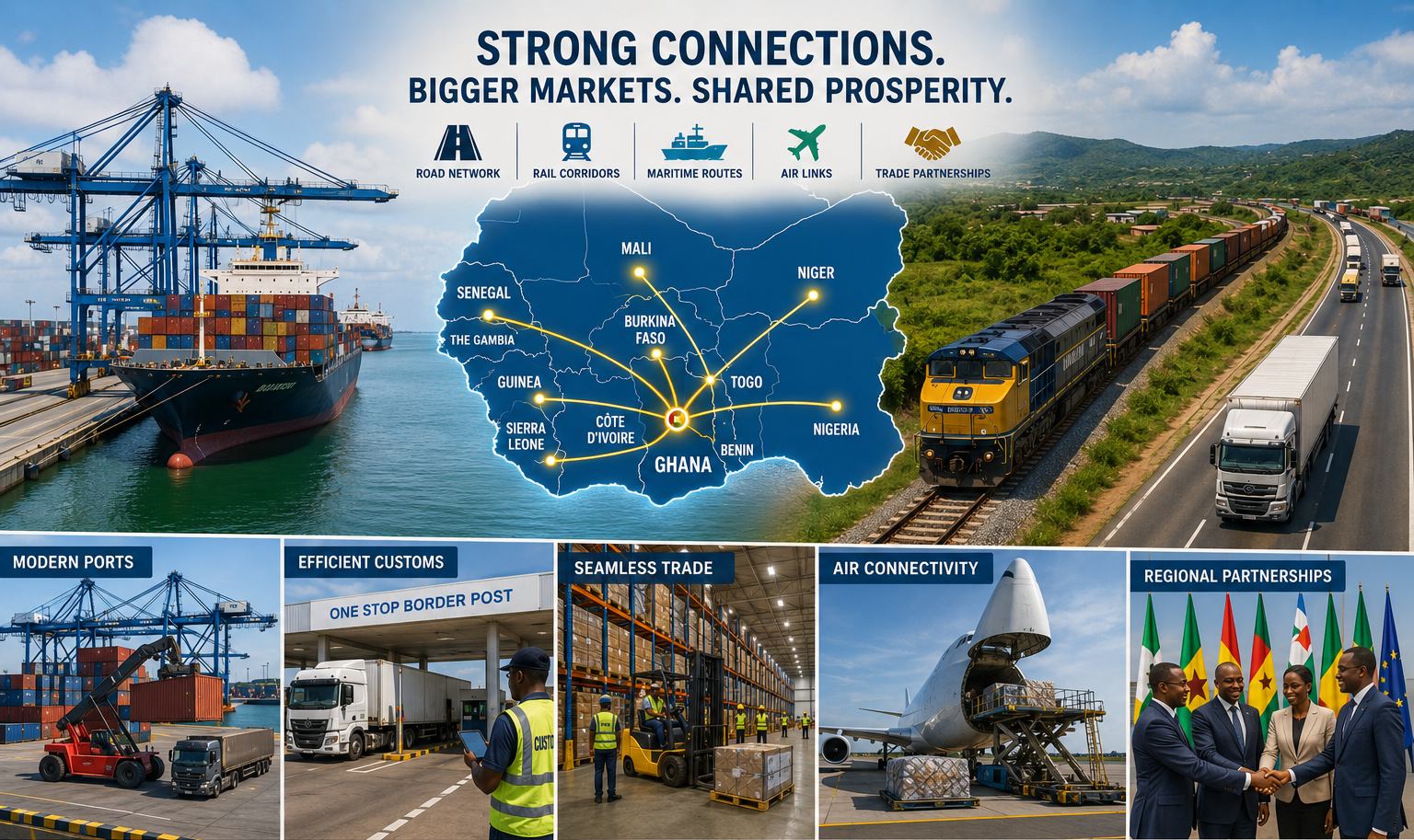
Regional Distribution
Supporting commercial activity across expanding West African markets.
International Trade
Connecting products to customers and commercial partners worldwide.
Market Expansion
Creating opportunities beyond domestic demand through broader market reach.
Commercial Connectivity
Strengthening relationships across regional and international value chains.
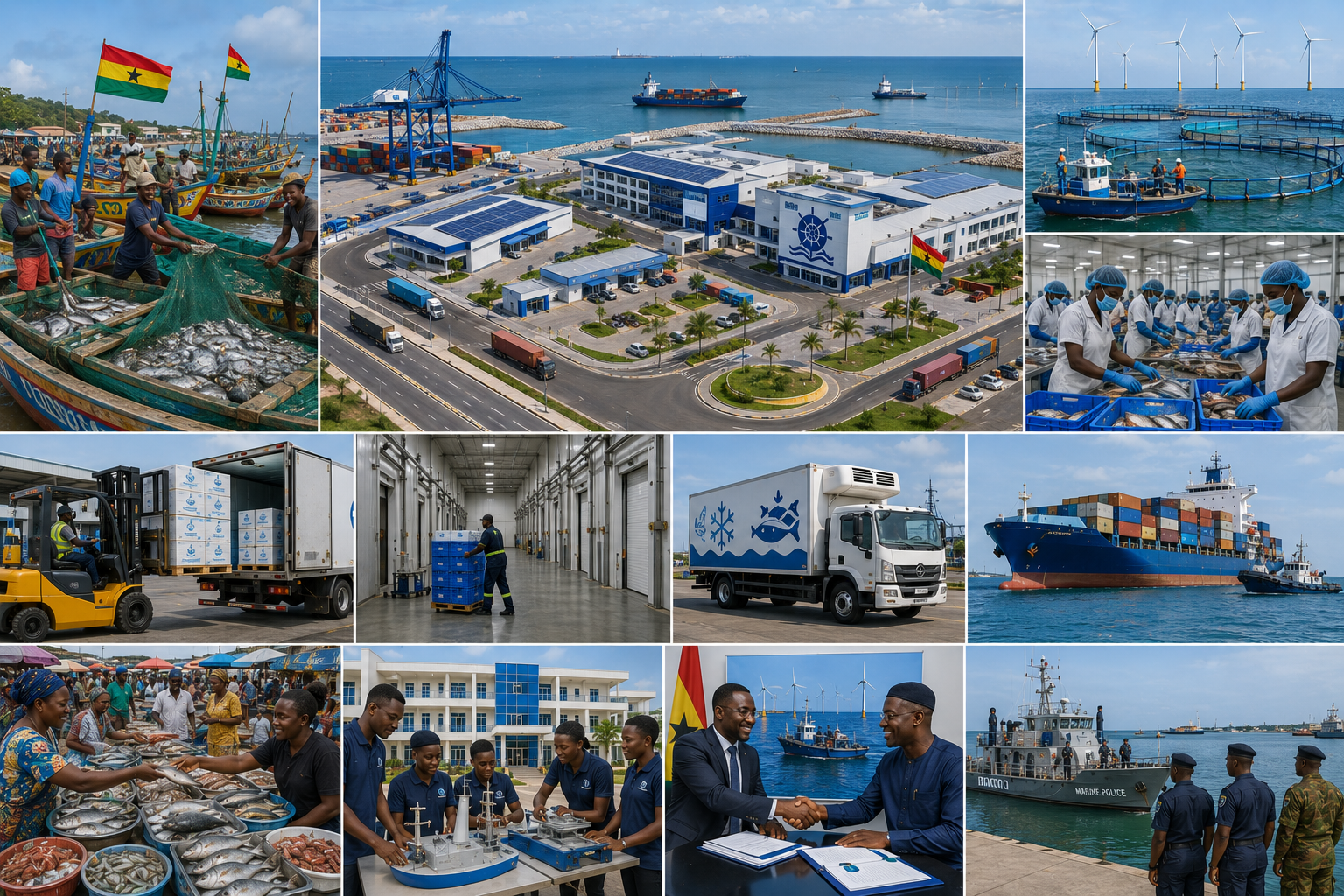
Building Stronger Market Relationships Through Modern Blue Economy Infrastructure
Industrial fisheries and aquaculture ecosystems contribute to broader economic participation by strengthening commercial connectivity, supporting regional integration and enabling long-term market development. Coordinated infrastructure, reliable distribution channels and industry collaboration help create more competitive and resilient marine sectors.
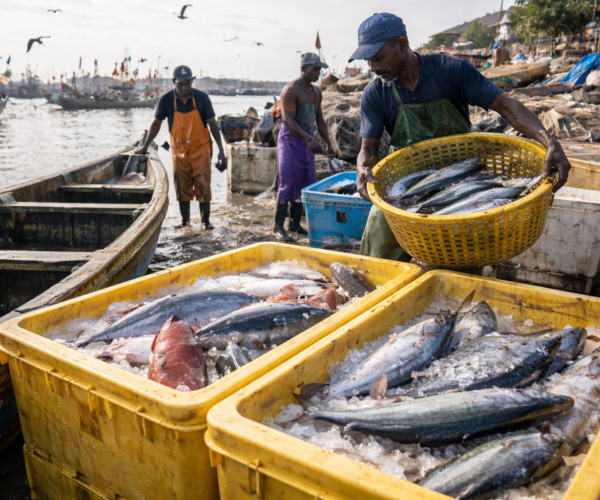
Catch, Landing & Intake Control
Daily landings from artisanal and coastal fleets enter the system under defined handling and timing protocols to limit initial quality degradation.
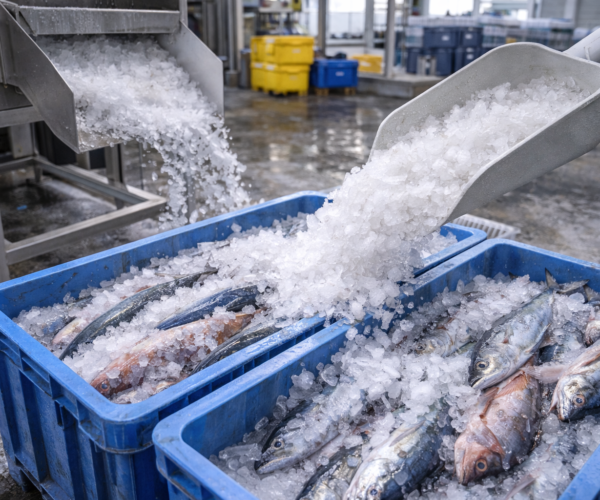
Ice Supply, Handling & Temperature Stabilization
Ice and insulated handling are applied immediately after landing. Temperature is reduced and stabilized to slow enzymatic and microbial activity. This step protects product quality during the most vulnerable phase of the supply chain.
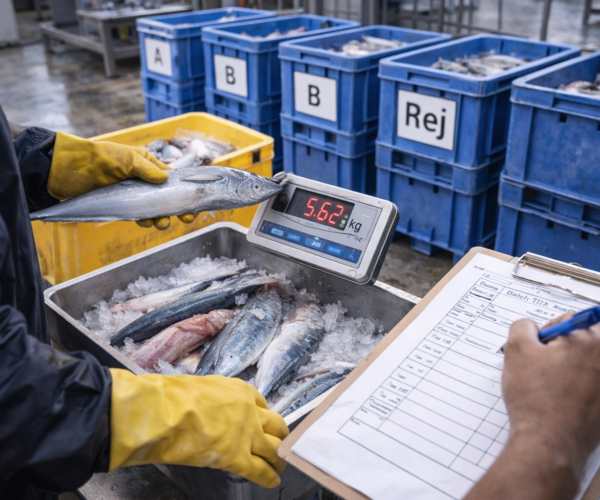
Grading, Documentation & Traceability
Fish is washed, weighed, graded, and recorded. Quality classes are assigned, batch data is captured, and basic traceability is established. This creates the decision base for storage routing, pricing, and market allocation.
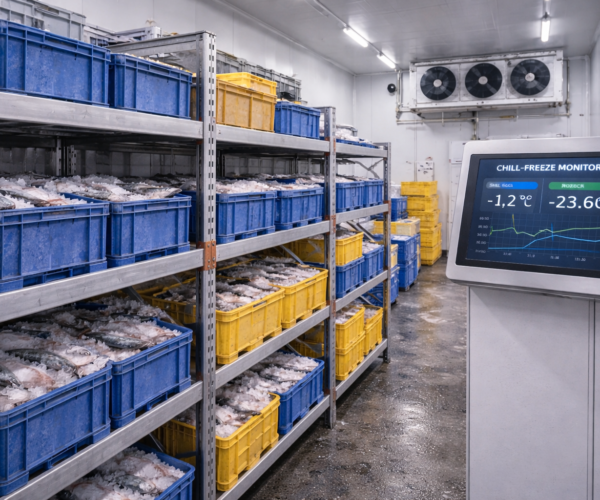
Chilled & Frozen Storage Management
Products are routed to chilled or frozen storage depending on market strategy. Cold rooms function as buffering assets, stabilizing supply, extending holding time, and preventing forced sales during price pressure or market congestion.
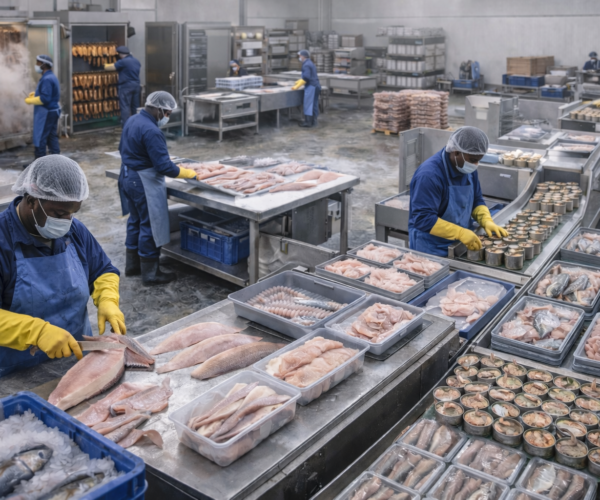
Processing Interface, Logistics & Market Routing
Processing is positioned as a selective interface. Based on volume, margin, or specification, product streams are routed to appropriate on-site, adjacent, or third-party facilities. Cold-chain logistics governs all routing, allowing non-processed flows to move directly to market without constraining system throughput.
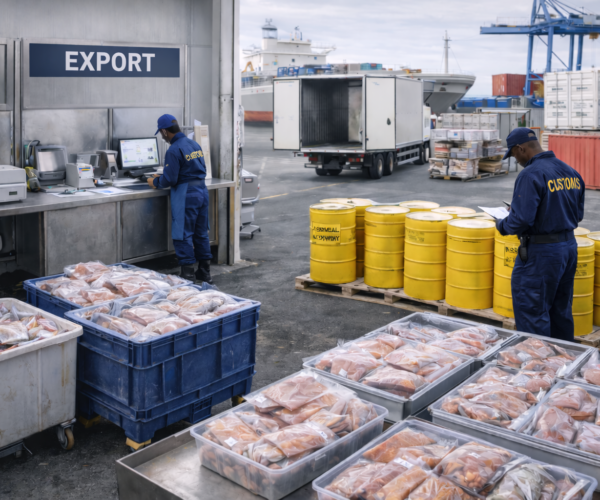
Secondary Utilization, Compliance & Export Interface
By-products are routed into secondary uses such as feed, oil, fertilizer, or energy to avoid disposal constraints. Export flows pass through compliance, documentation, and traceability interfaces without affecting upstream operations. Cold-chain storage and logistics remain independent of export volumes.