Industrial Palm Oil & Palm Kernel Processing Systems
Integrated industrial processing infrastructure engineered to support large-scale agro-industrial development, refinery modernization, export growth, and long-term manufacturing expansion across Africa.
Building Africa’s Next Generation Of Agro-Industrial Infrastructure
Industrial processing is no longer limited to agricultural production alone. Across Africa, the demand for integrated refining systems, modern processing infrastructure, industrial automation, and scalable manufacturing ecosystems continues to expand rapidly.
Modern processing facilities now play a central role in strengthening food manufacturing capacity, reducing raw material losses, improving export readiness, and supporting long-term industrial growth throughout developing regions.
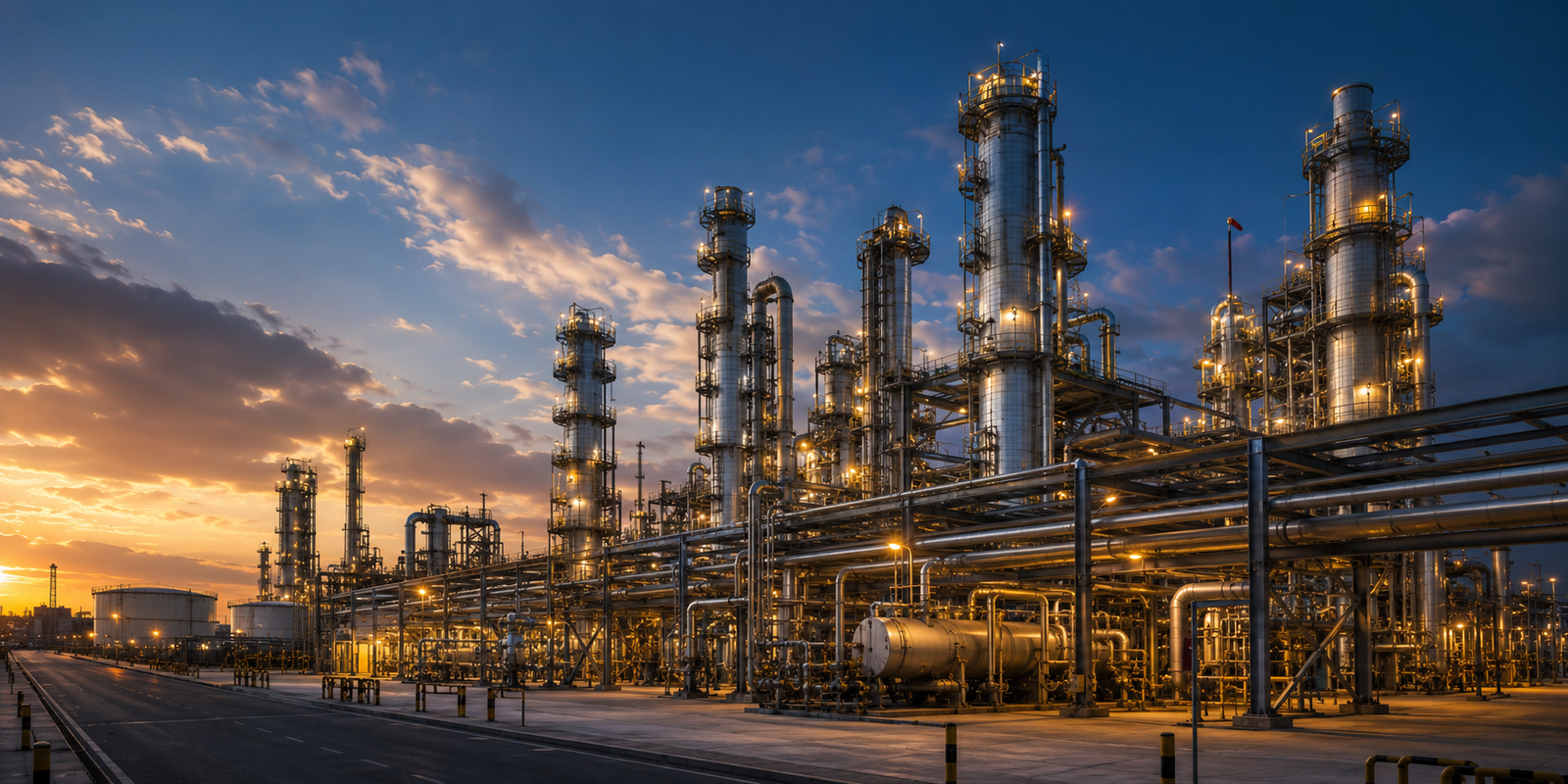
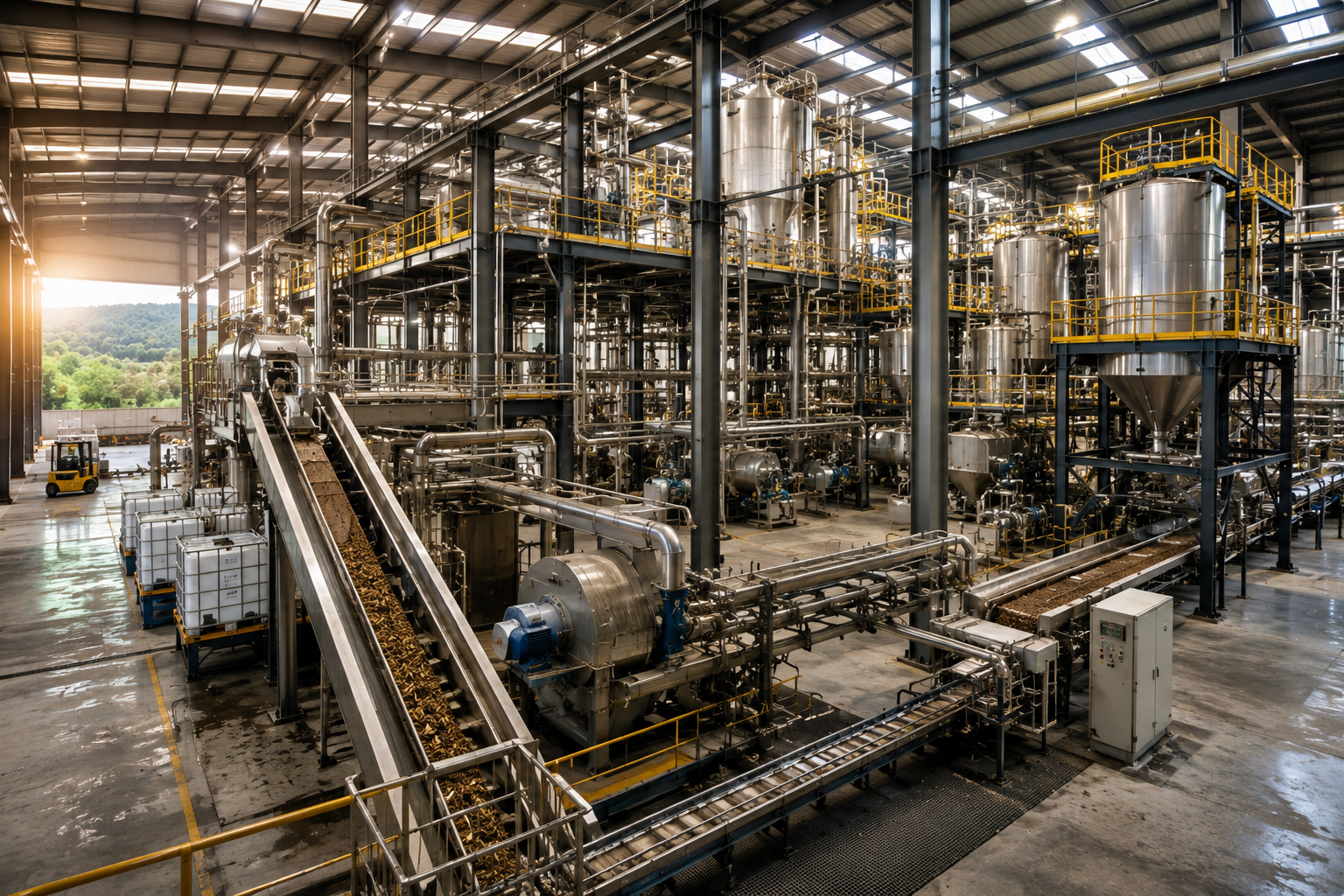
Integrated Processing Infrastructure
Industrial systems designed for continuous large-scale operational performance and refinery integration.
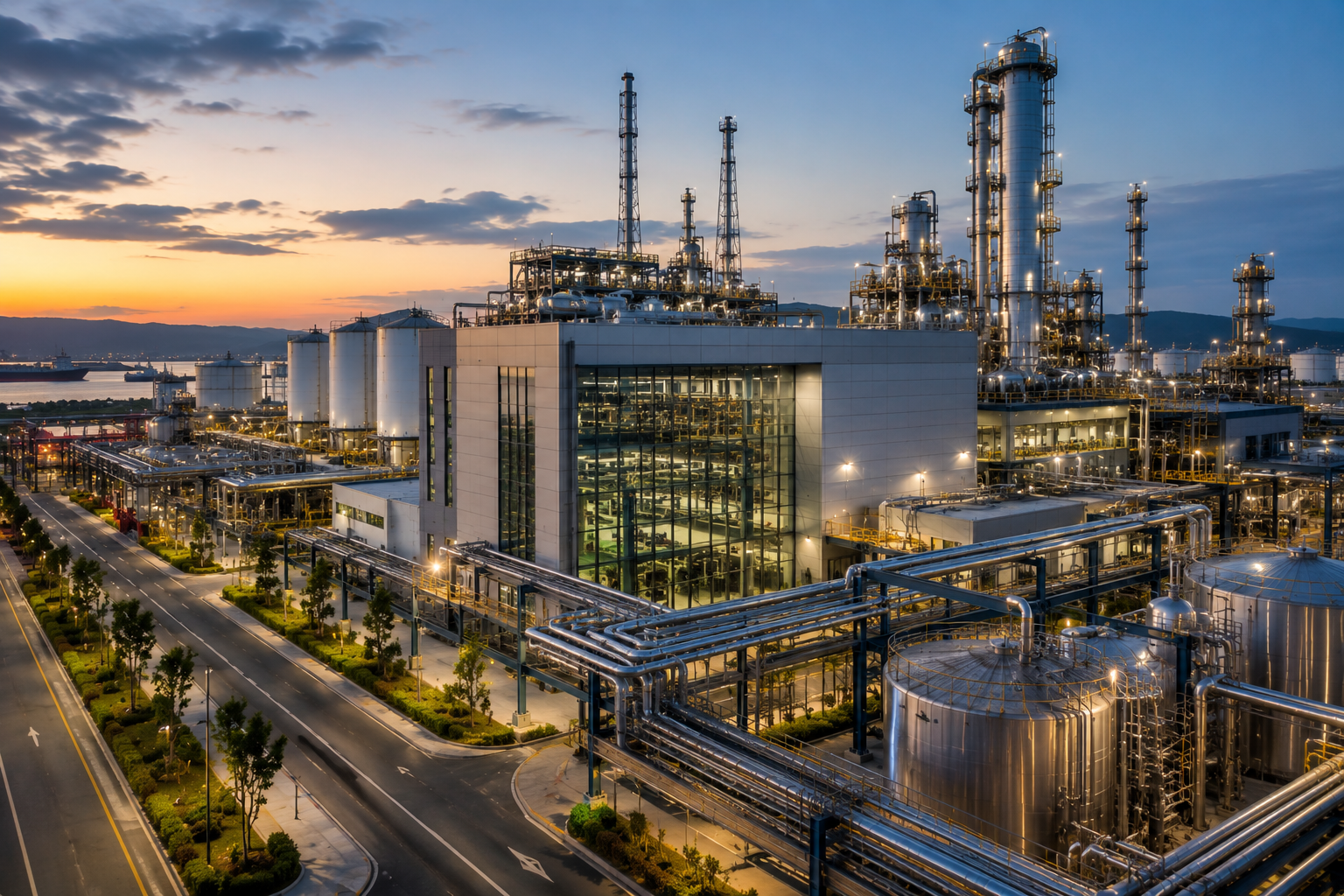
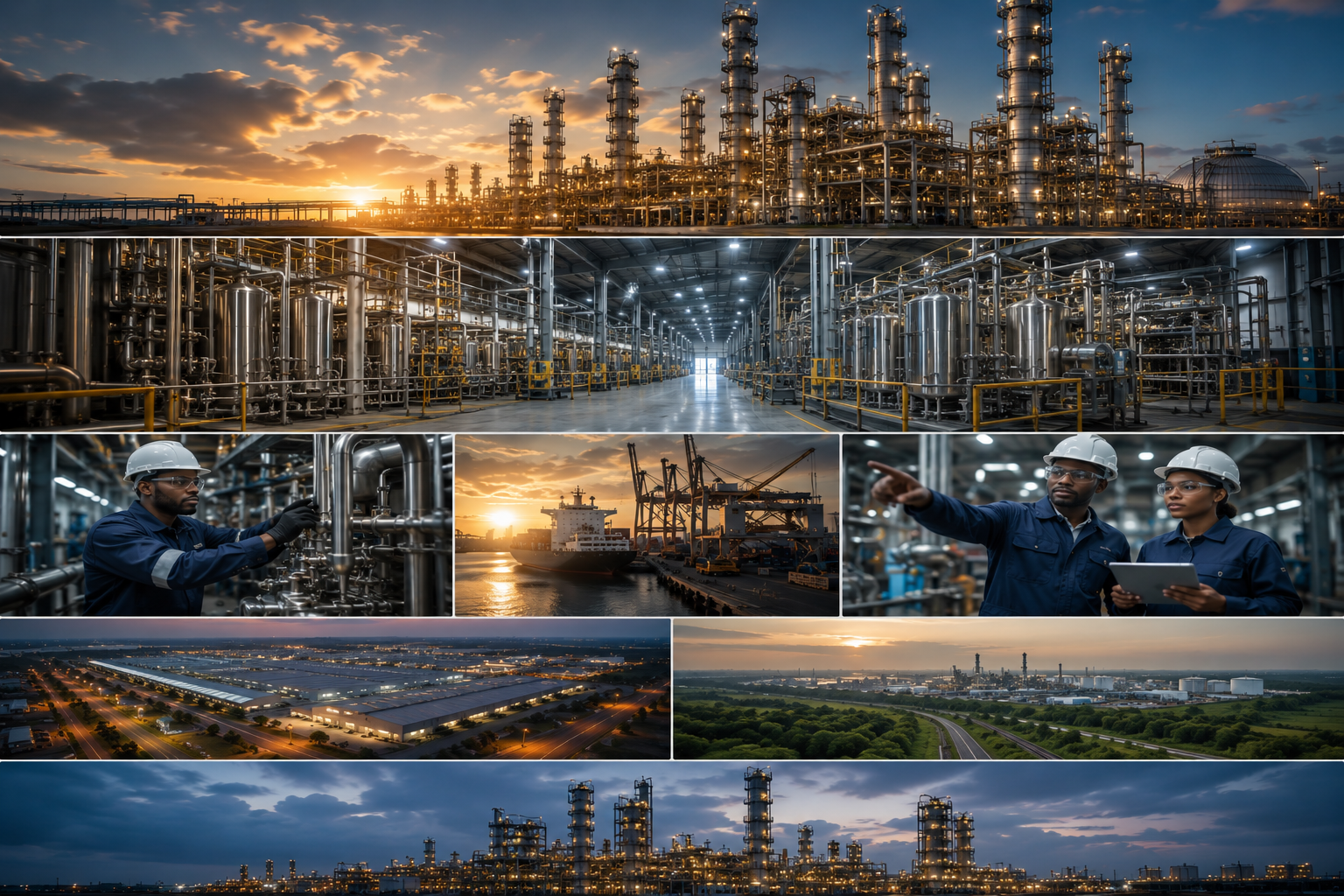
Modern Refinery Ecosystems
Advanced processing environments supporting purification, separation, storage, and industrial production continuity.
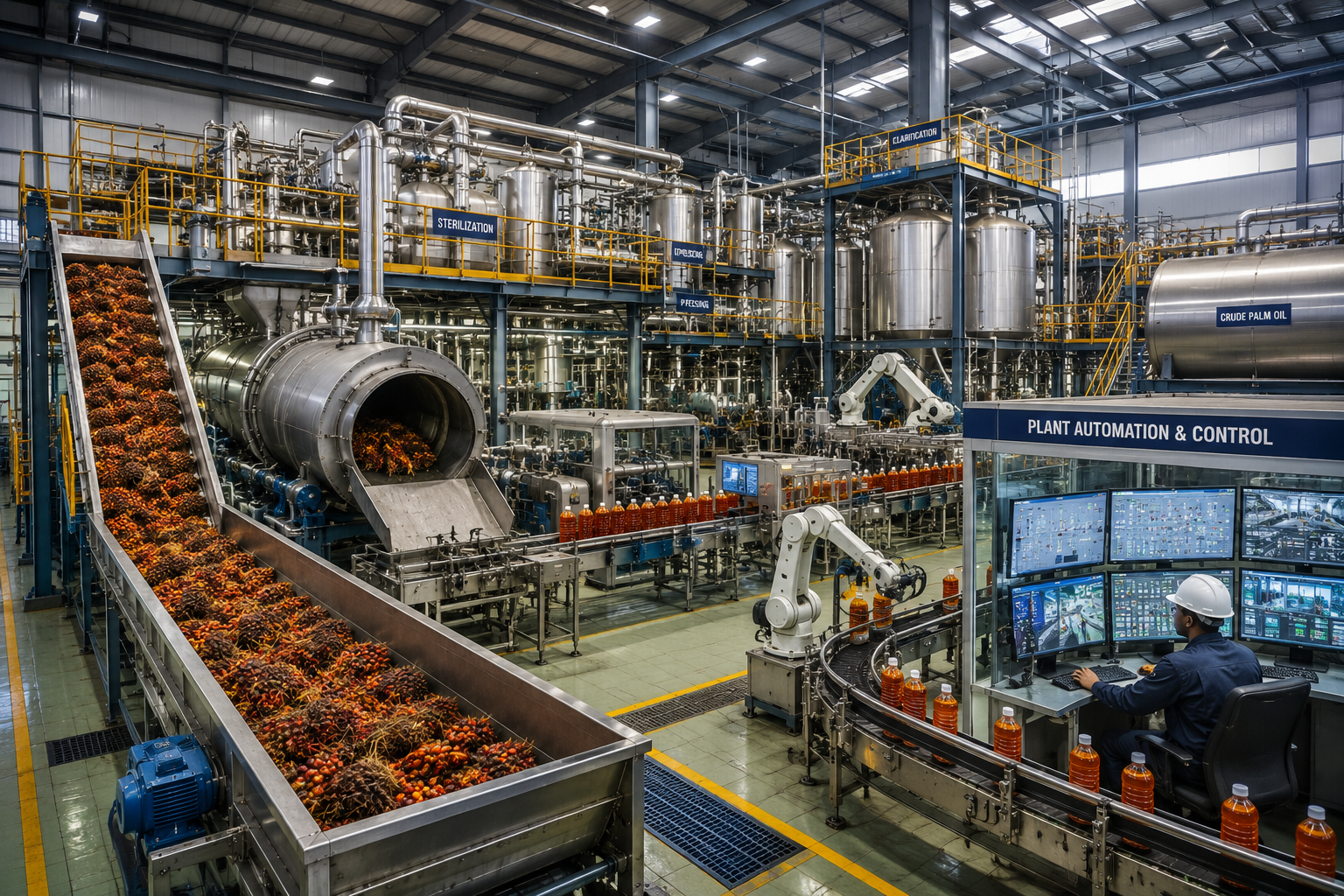
Industrial Automation & Process Control
Integrated operational systems supporting precision monitoring and scalable manufacturing efficiency.
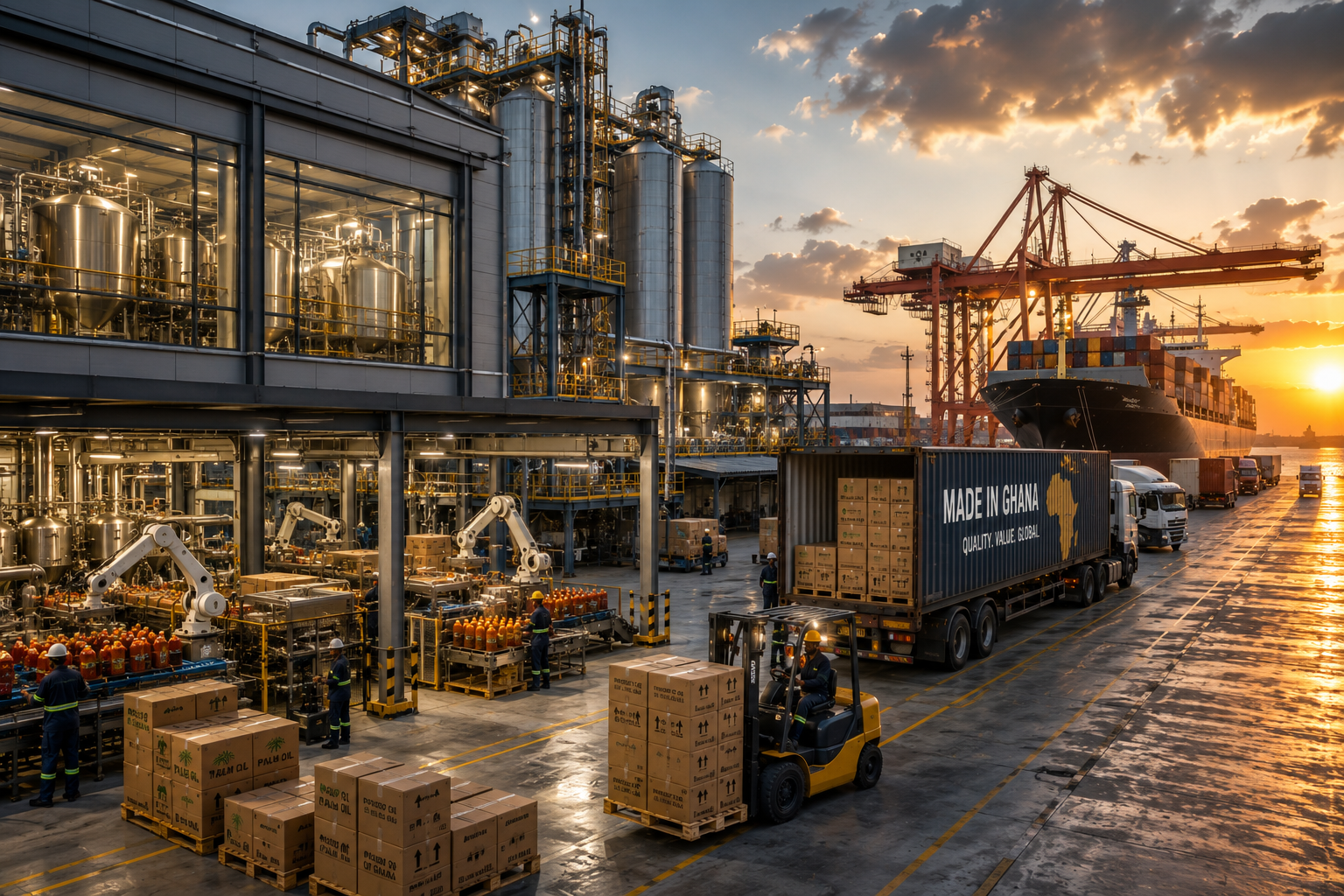
Export-Oriented Manufacturing
Infrastructure supporting logistics coordination, industrial packaging, storage systems, and international distribution readiness.
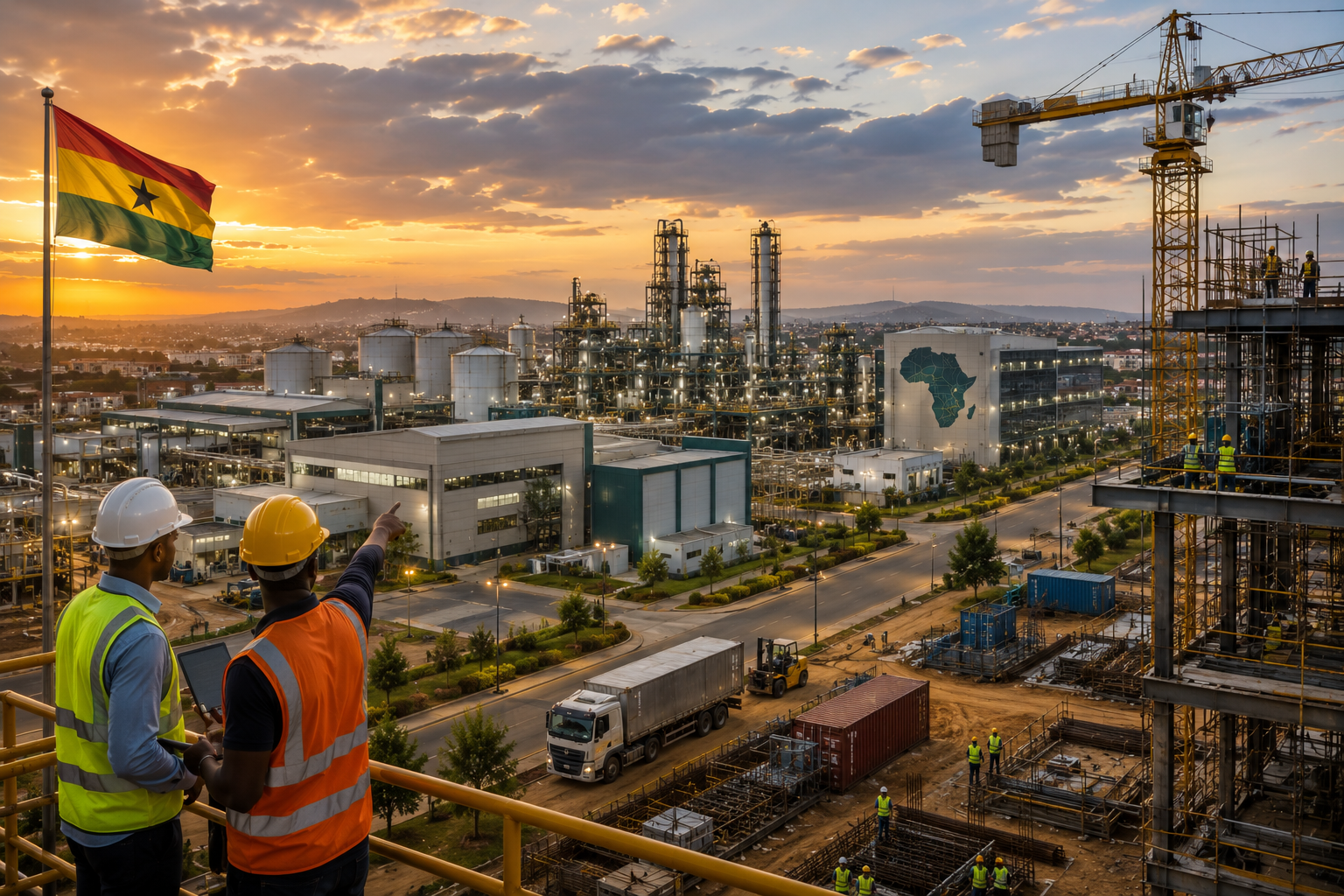
Industrial Processing As A Foundation For Economic Modernization
Industrial agro-processing has become one of the most important drivers of economic modernization throughout developing industrial regions.
The development of modern refinery ecosystems contributes directly to manufacturing growth, industrial skill development, infrastructure expansion, agricultural stability, regional trade capacity, and long-term industrial competitiveness.
This transformation extends far beyond machinery. It creates connected industrial ecosystems capable of supporting employment, logistics, manufacturing, exports, and infrastructure development across entire regions.
Speak With Our Industrial TeamComplete Industrial Processing & Refinery Operations
Integrated processing architecture engineered to support operational continuity, industrial efficiency, refinery performance, automation integration, and scalable production environments across modern agro-industrial ecosystems.
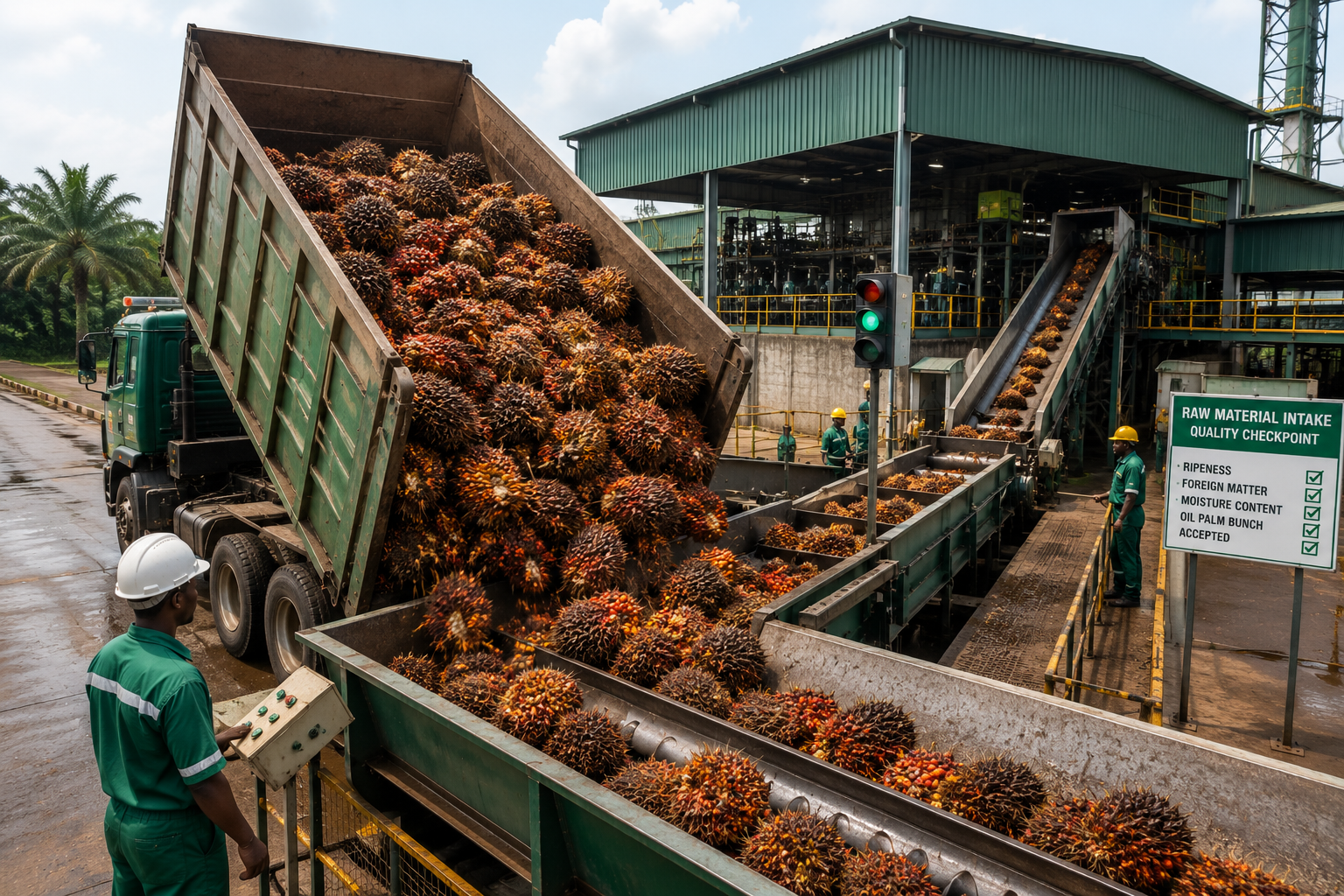
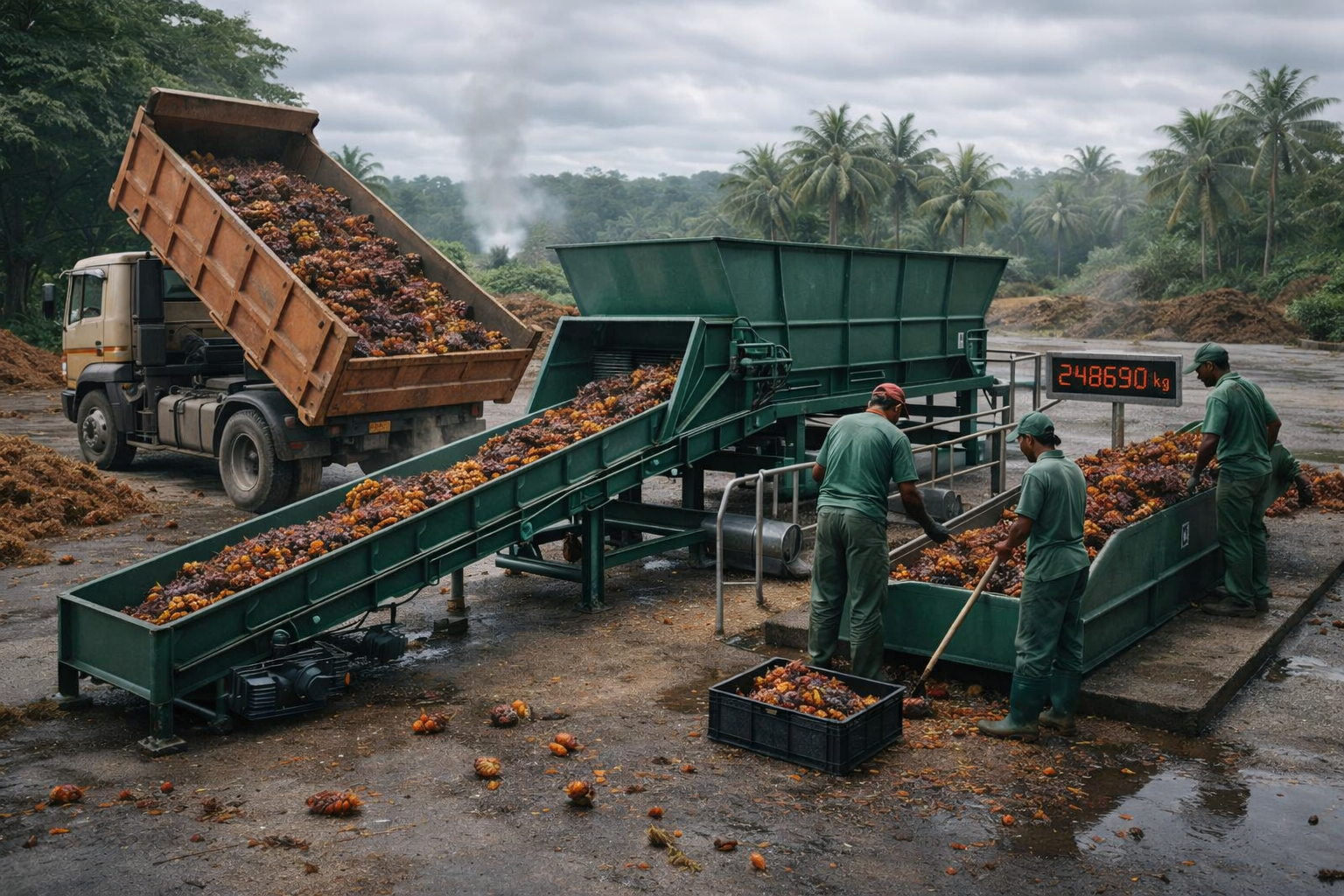
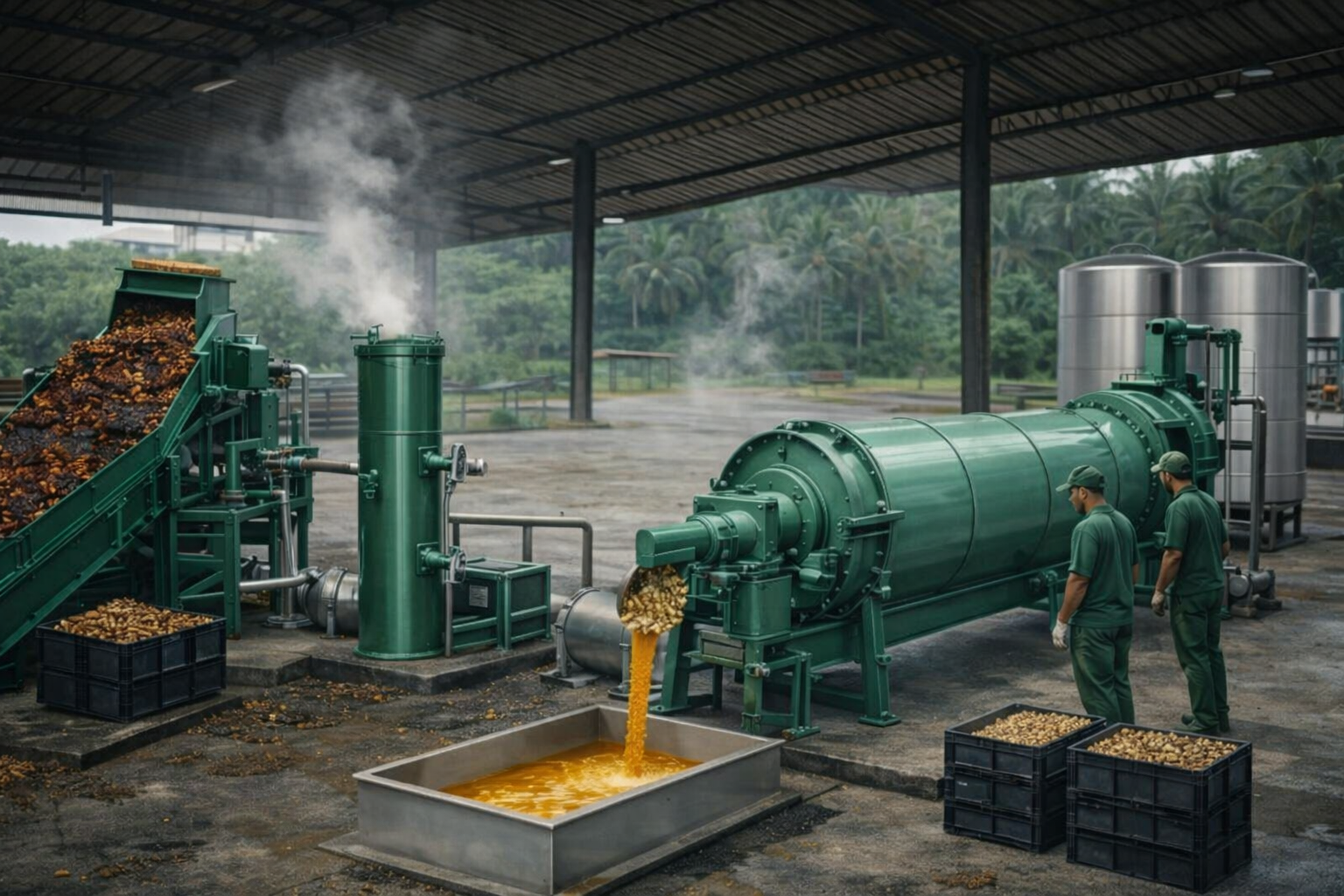
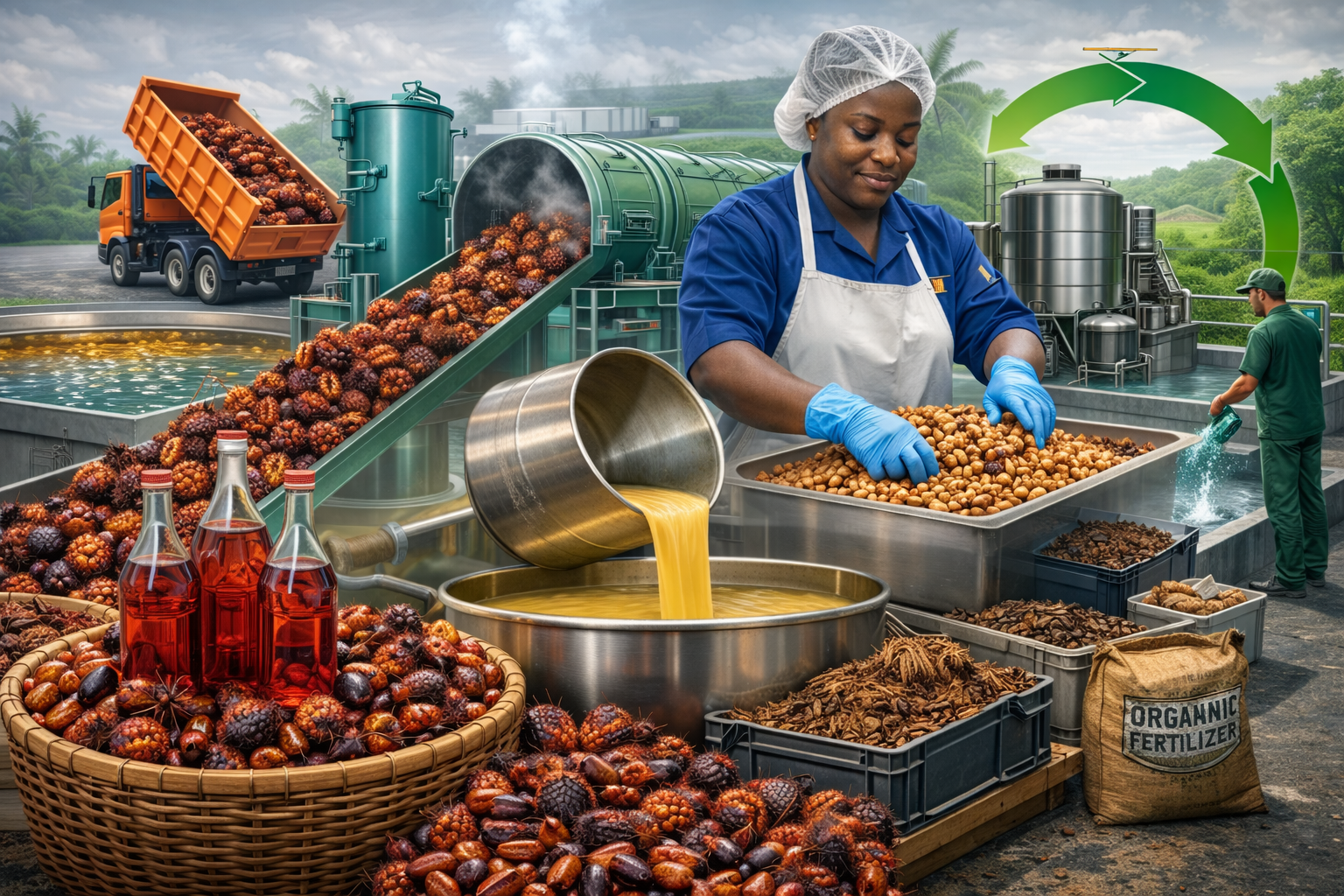
Raw Material Intake & Collection
Fresh agricultural materials enter structured industrial intake systems designed to support continuous operational flow, controlled handling, and large-volume processing efficiency.
This stage strengthens coordination between agricultural supply chains and industrial manufacturing environments while supporting reliable material movement throughout the production ecosystem.
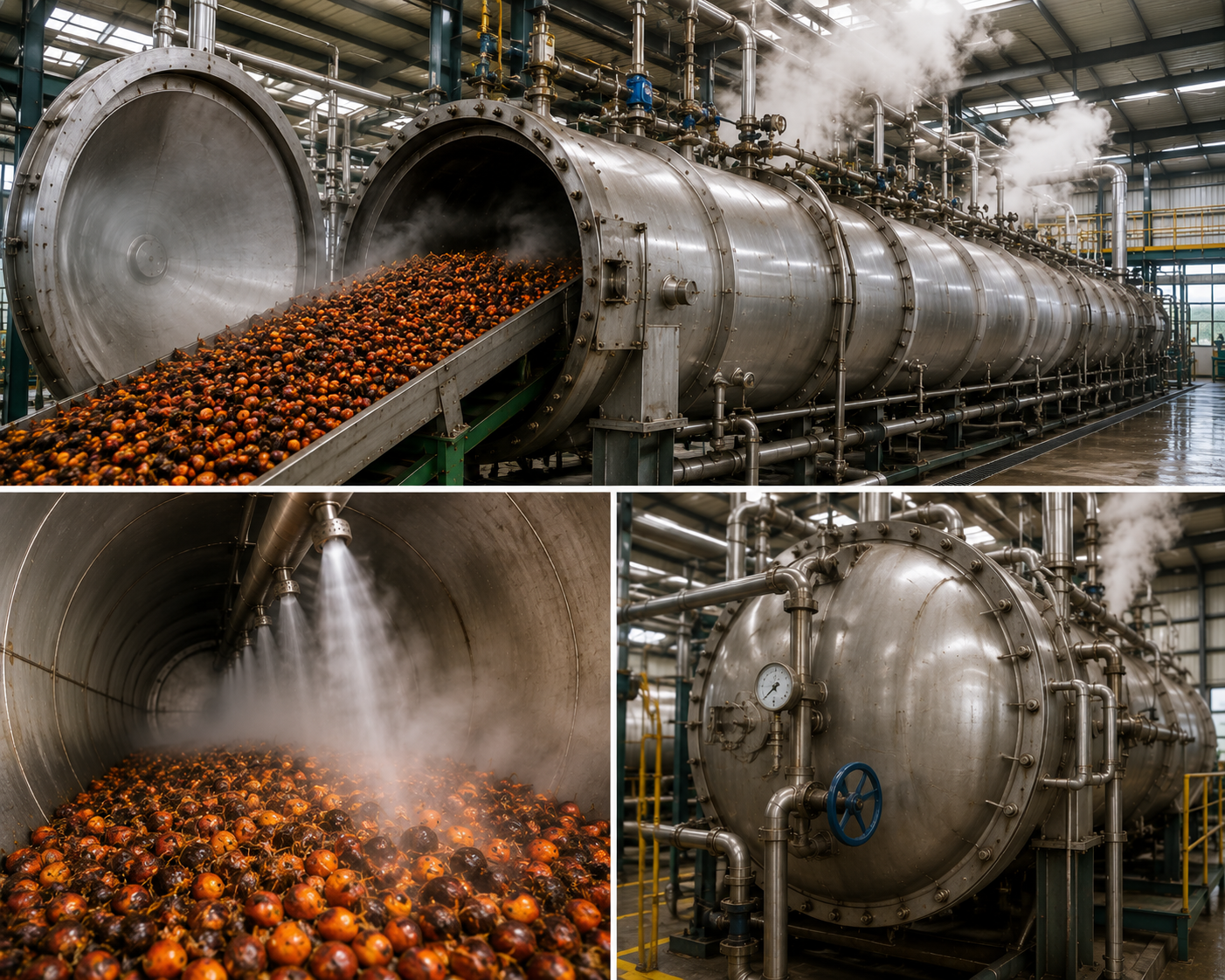
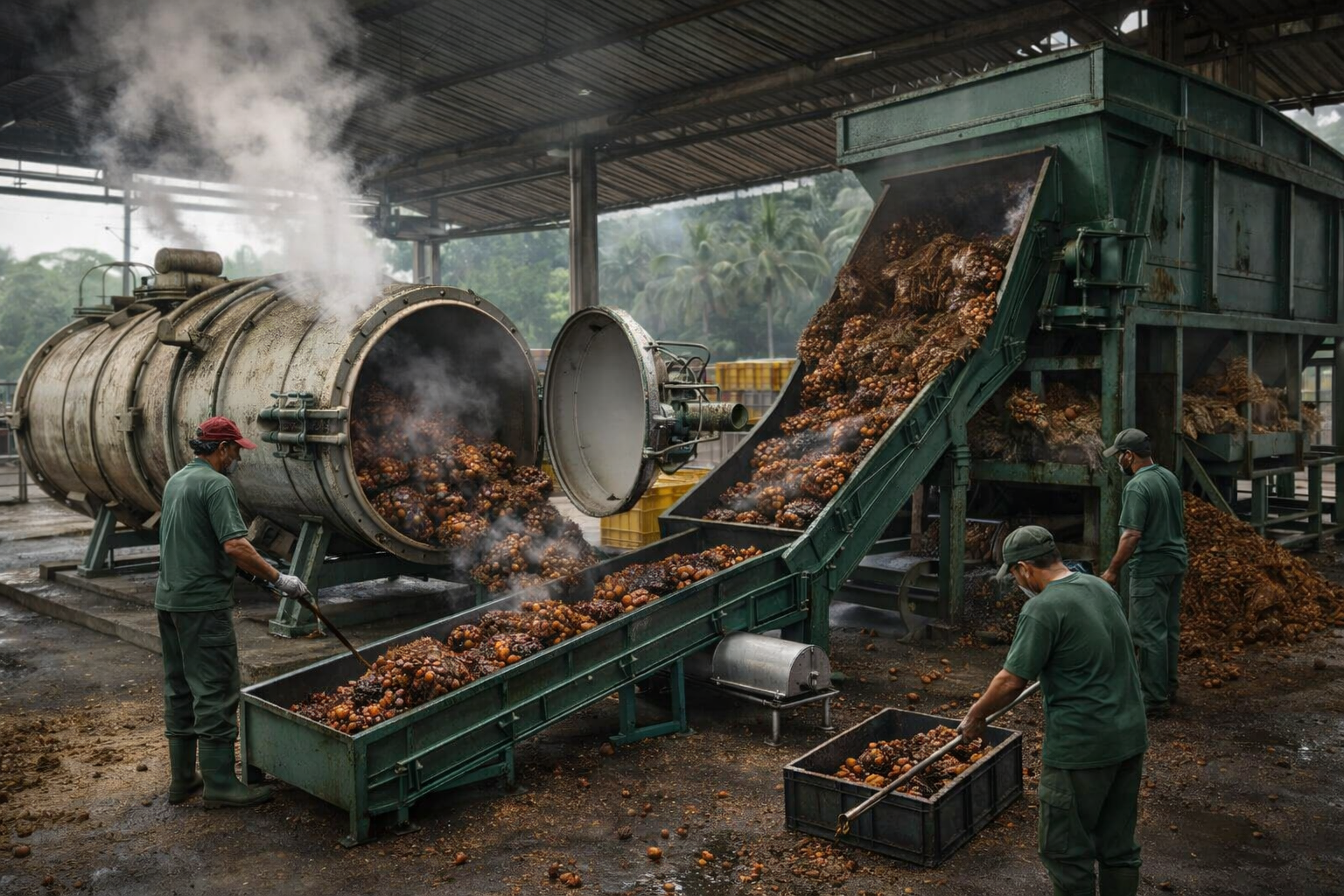
Sterilization & Material Preparation
Industrial thermal preparation systems stabilize raw materials prior to extraction while improving downstream operational consistency and processing efficiency.
Controlled preparation environments help maximize extraction quality, reduce interruptions, and improve large-scale industrial workflow continuity.
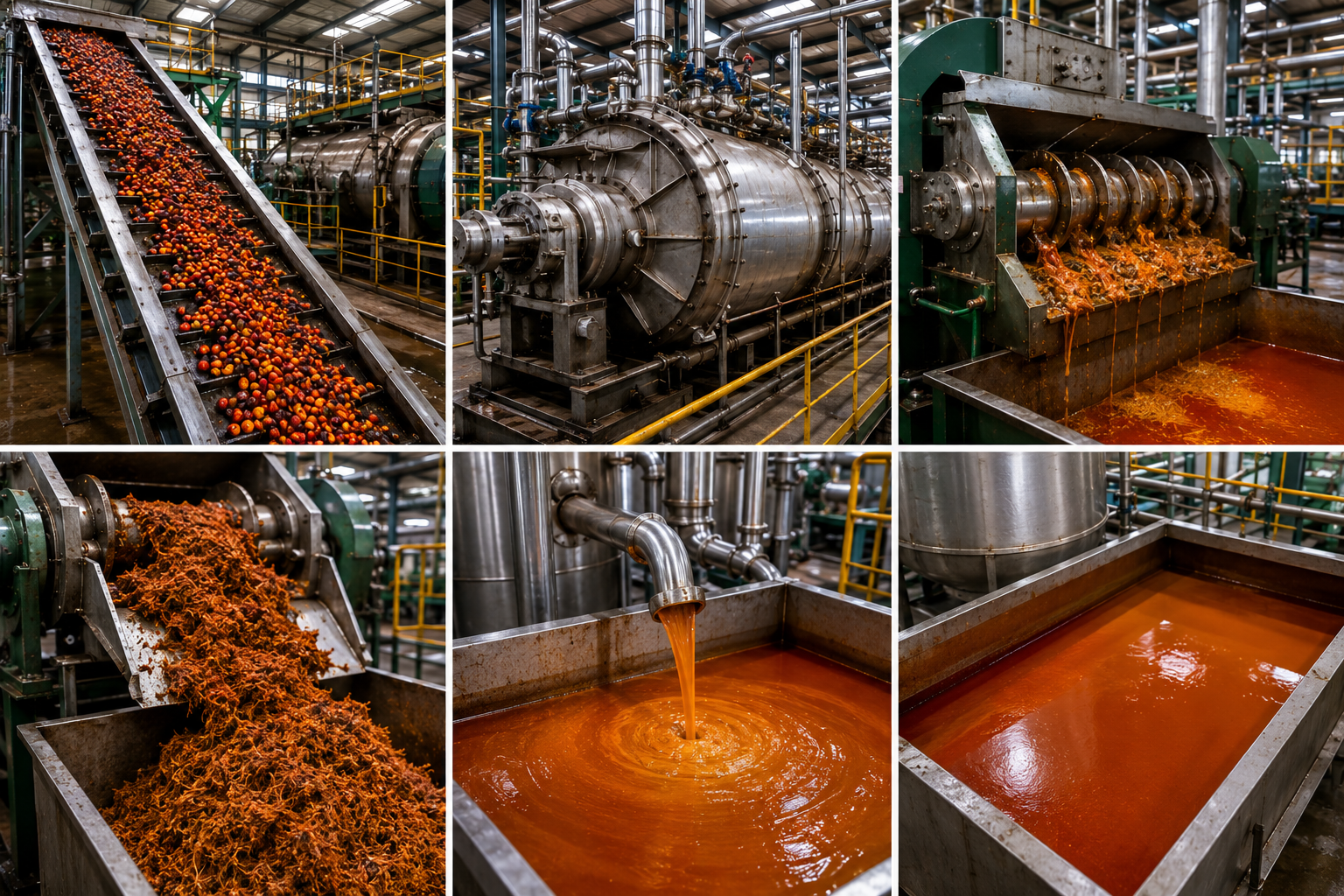
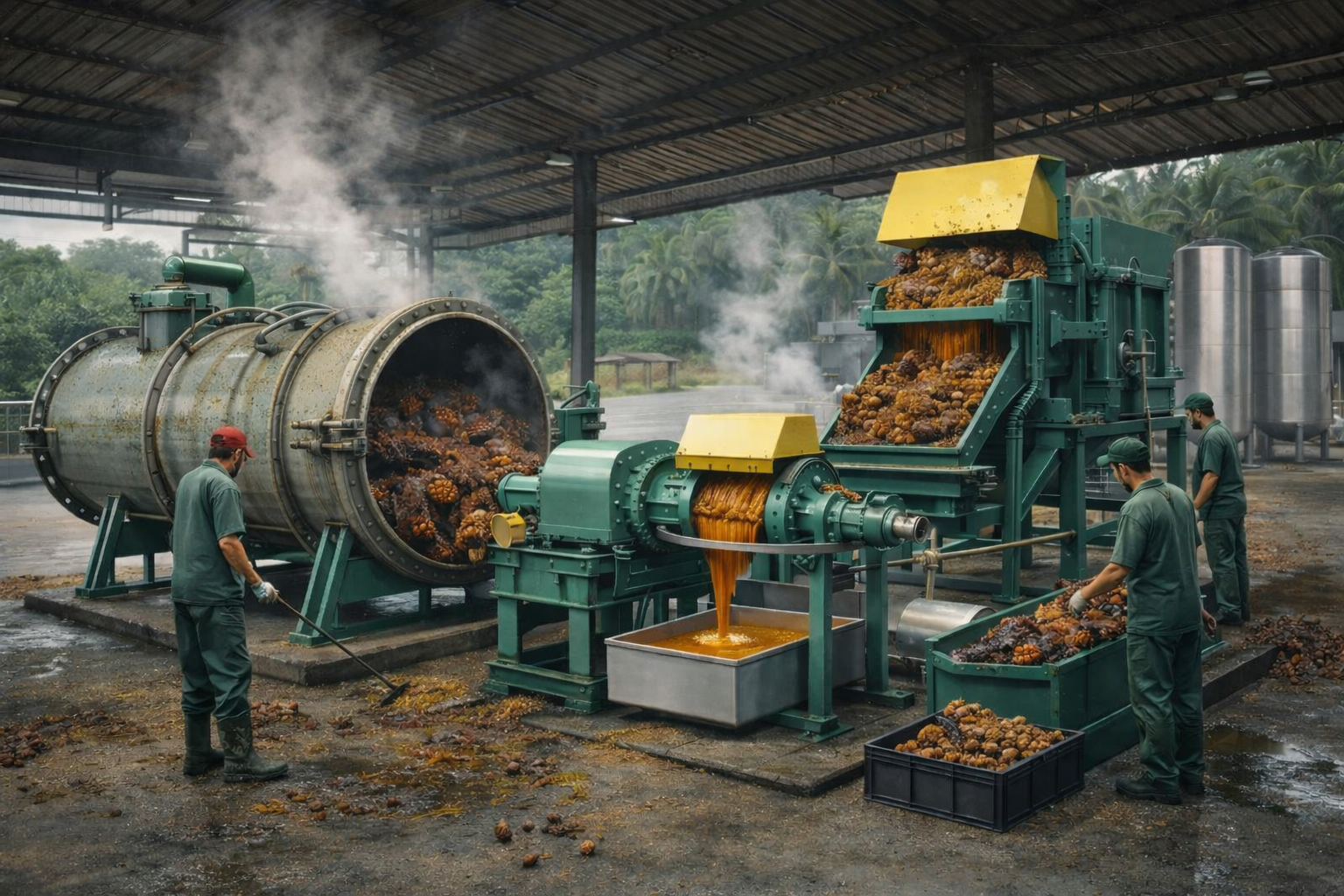
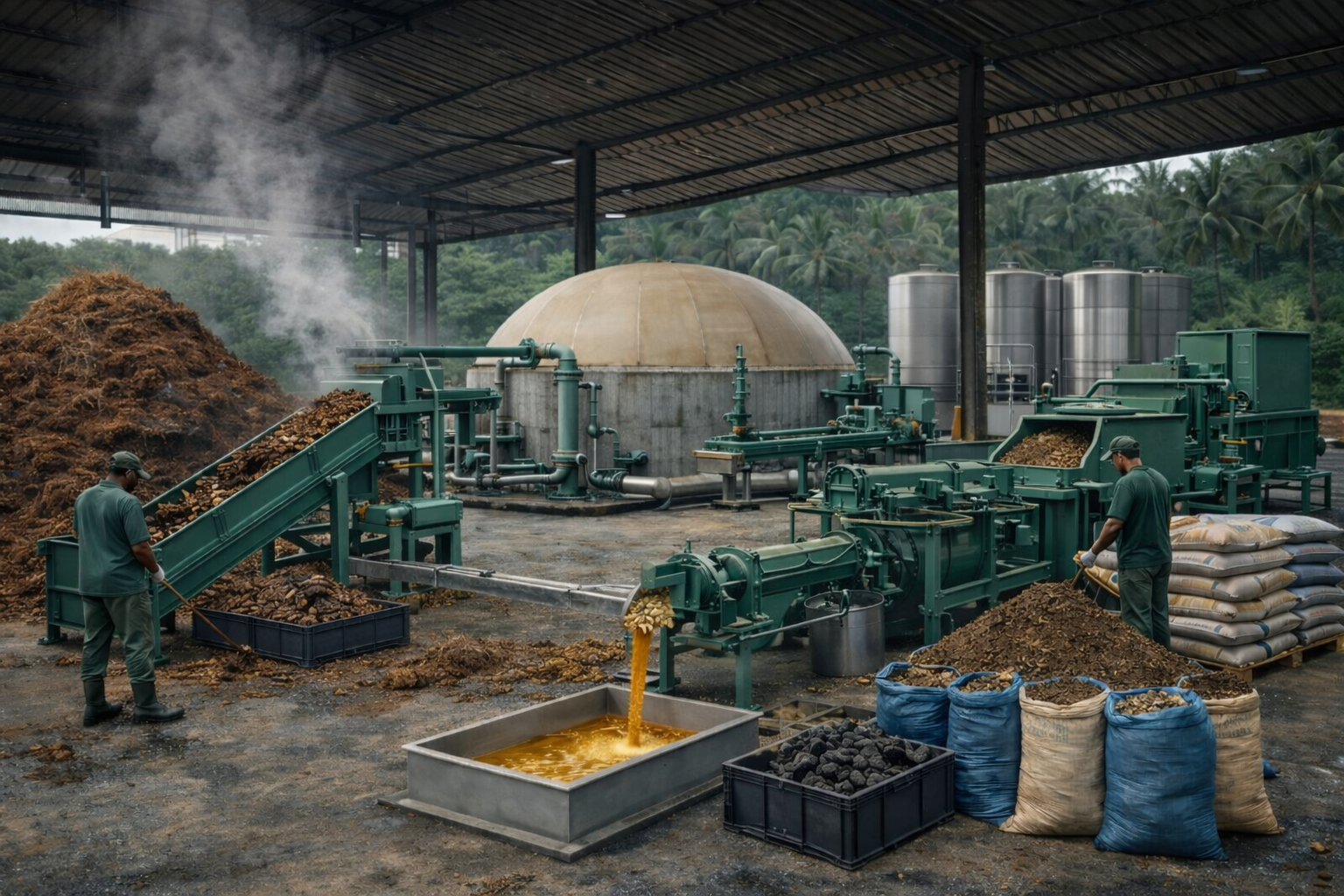
Digestion & Mechanical Extraction
Automated extraction systems support industrial-scale oil recovery through continuous mechanical processing and integrated operational workflows.
Advanced extraction infrastructure is engineered to improve operational reliability, production continuity, processing capacity, and industrial efficiency.
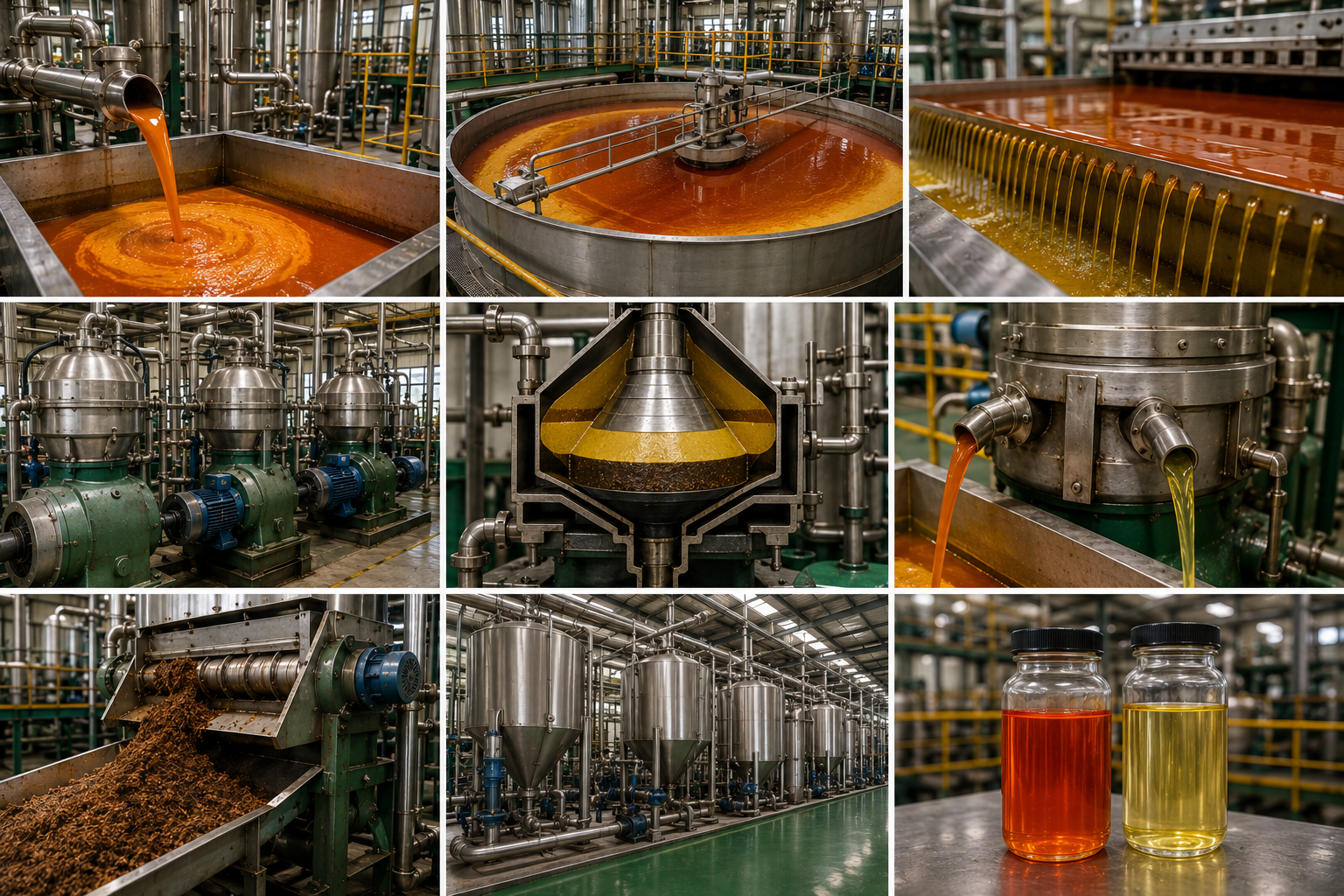
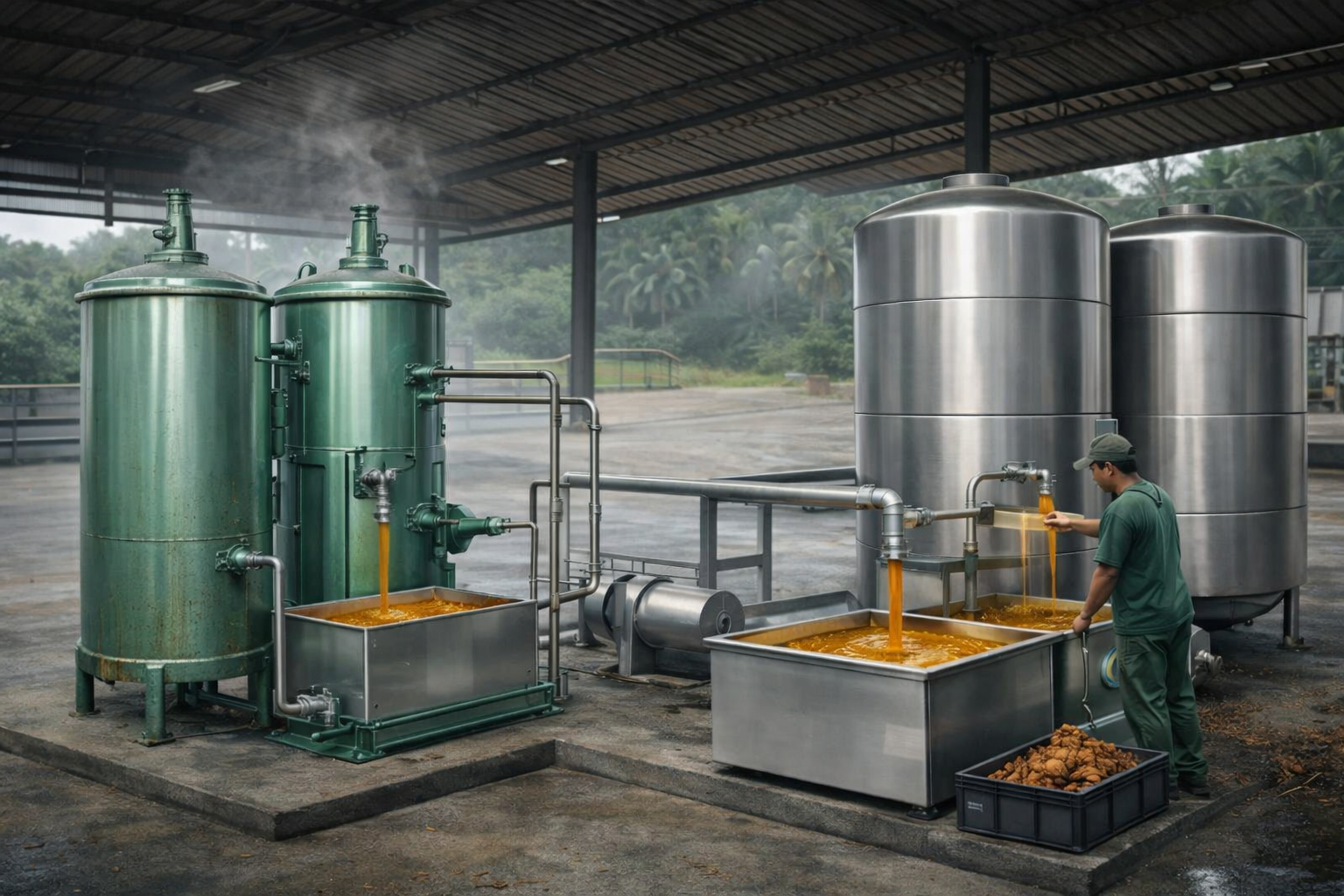
Clarification & Industrial Separation
Integrated clarification systems separate oil, solids, and moisture through controlled purification environments designed for refinery-grade operational performance.
Advanced separation infrastructure contributes to cleaner production, stronger process stability, and improved product consistency.
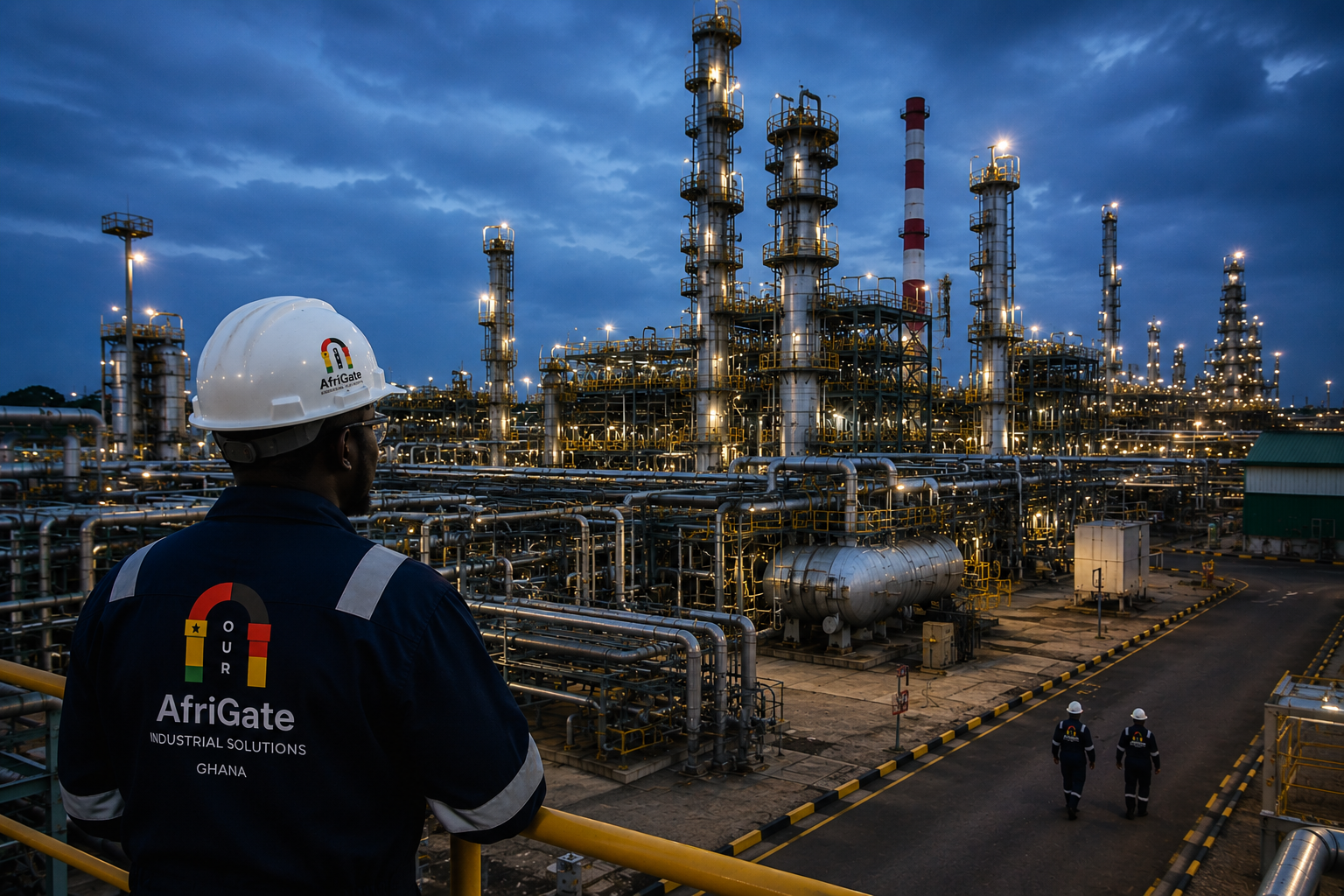
Refining & Quality Stabilization
Industrial refining environments support purification, filtration, deodorization, and stabilization processes required for export-oriented manufacturing systems.
Modern refinery operations increasingly depend on intelligent process monitoring, operational precision, and continuous industrial production systems.
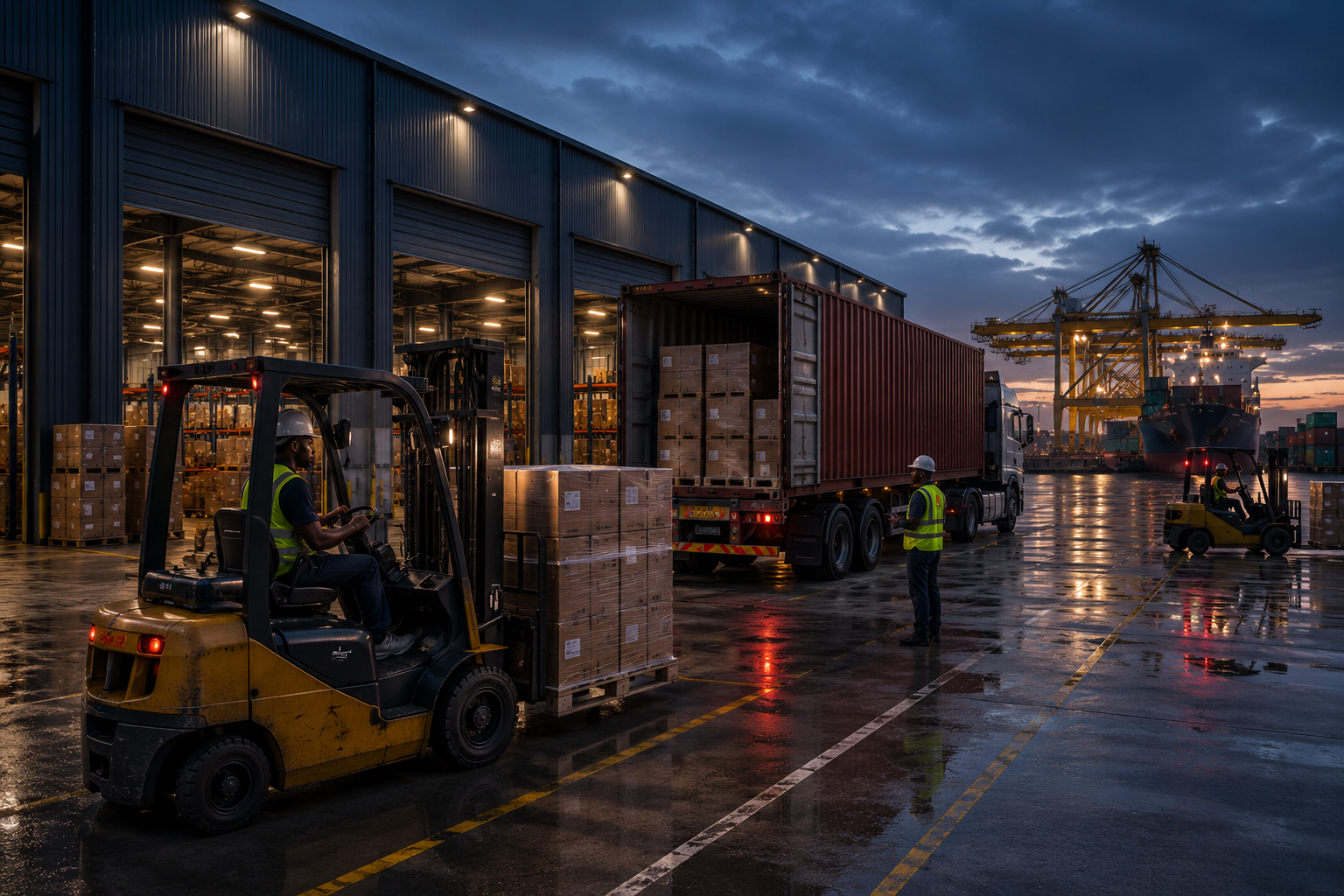
Storage, Packaging & Logistics Integration
Processed output moves into integrated storage and logistics environments supporting industrial packaging, export preparation, bulk handling, and regional distribution coordination.
This stage connects industrial processing directly to transportation systems, supply chain infrastructure, and international manufacturing networks.
Intelligent Refinery Systems & Industrial Automation
Modern processing facilities increasingly depend on intelligent operational infrastructure designed to support scalable production, industrial monitoring, energy optimization, and long-term manufacturing performance.
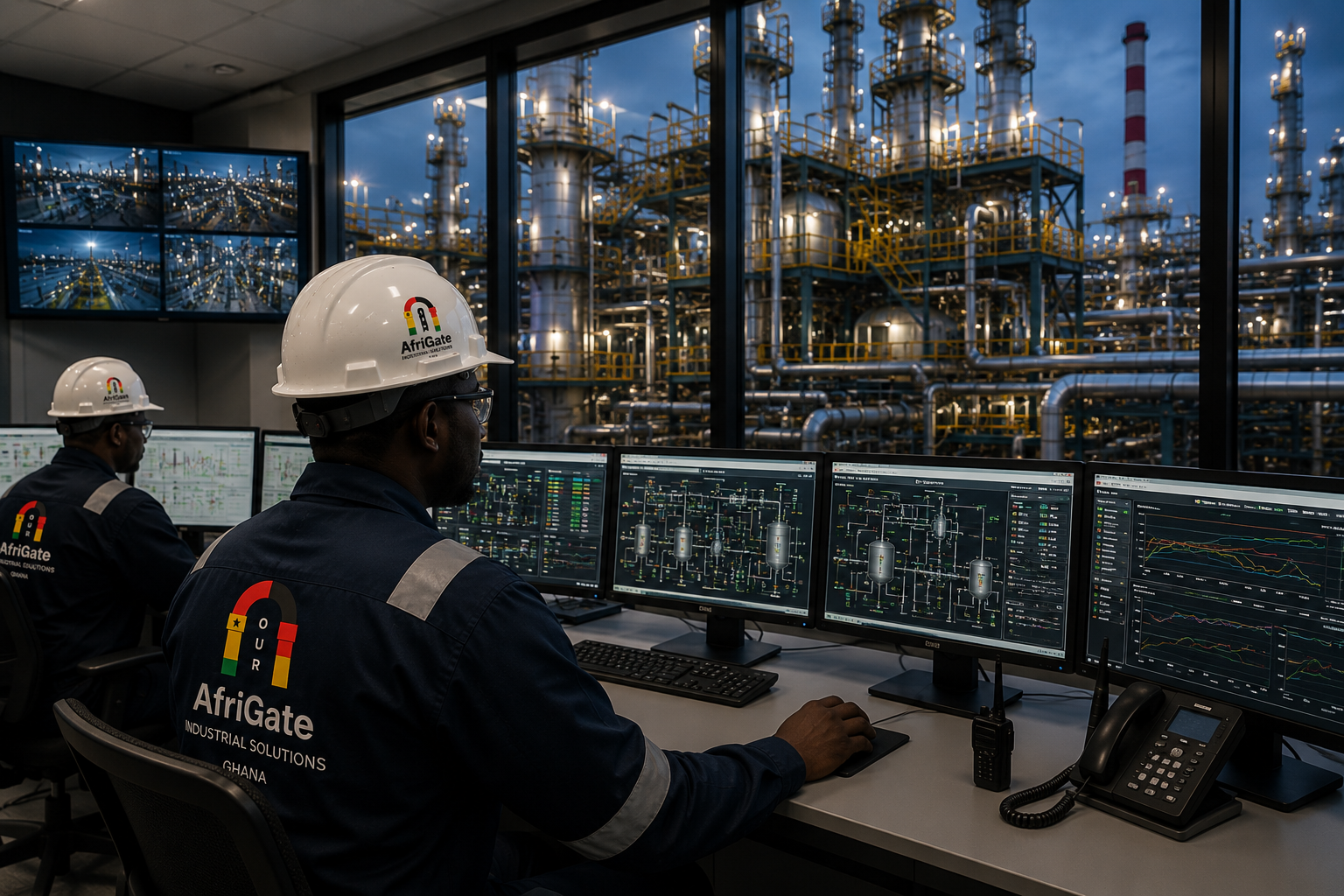
Intelligent Process Monitoring
Advanced monitoring environments support operational visibility, precision process control, and refinery performance optimization.
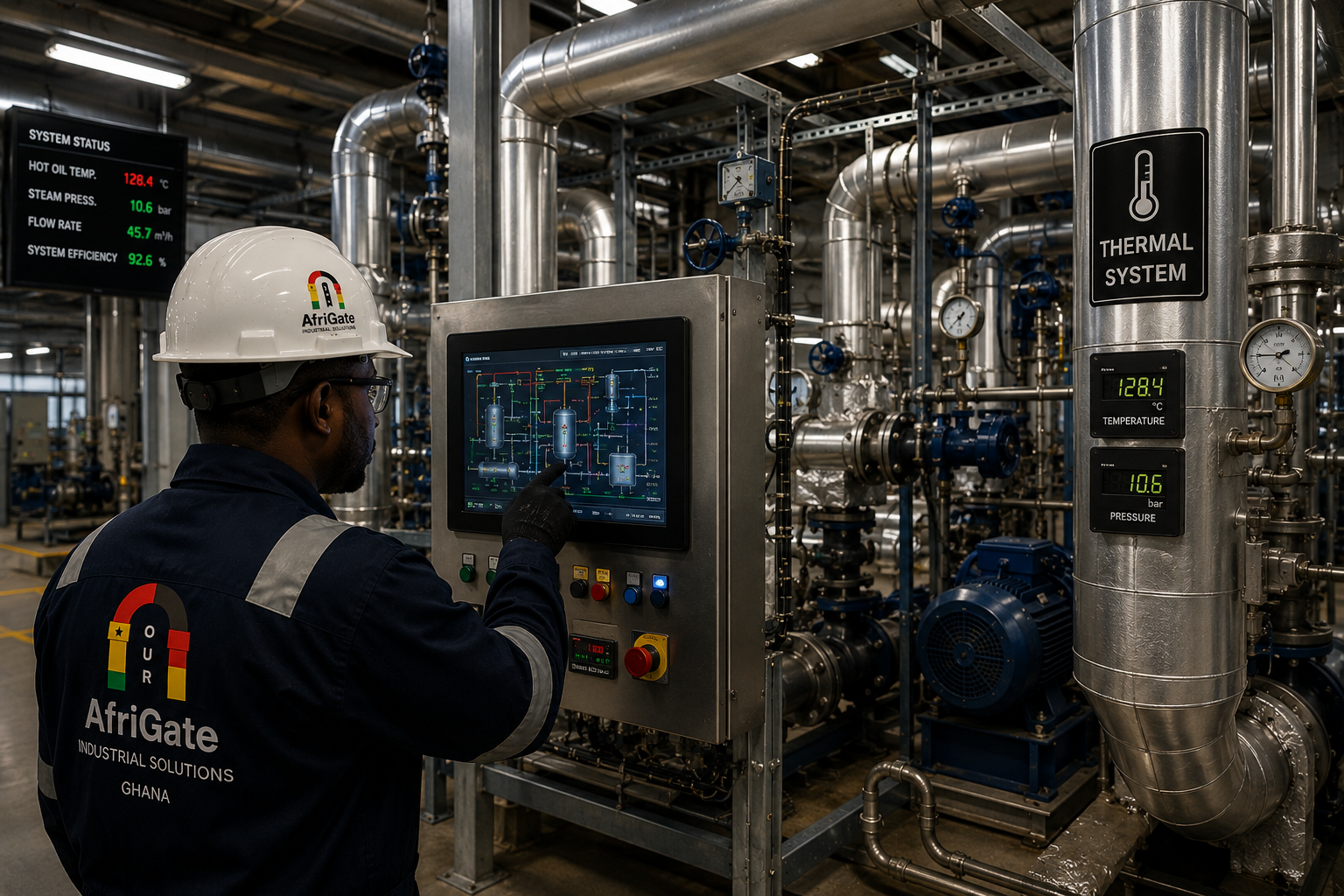
Thermal & Energy Integration
Industrial thermal systems help stabilize production environments while improving operational continuity and process efficiency.
Automation Infrastructure
Integrated automation systems support scalable industrial production and long-term operational reliability across refinery ecosystems.
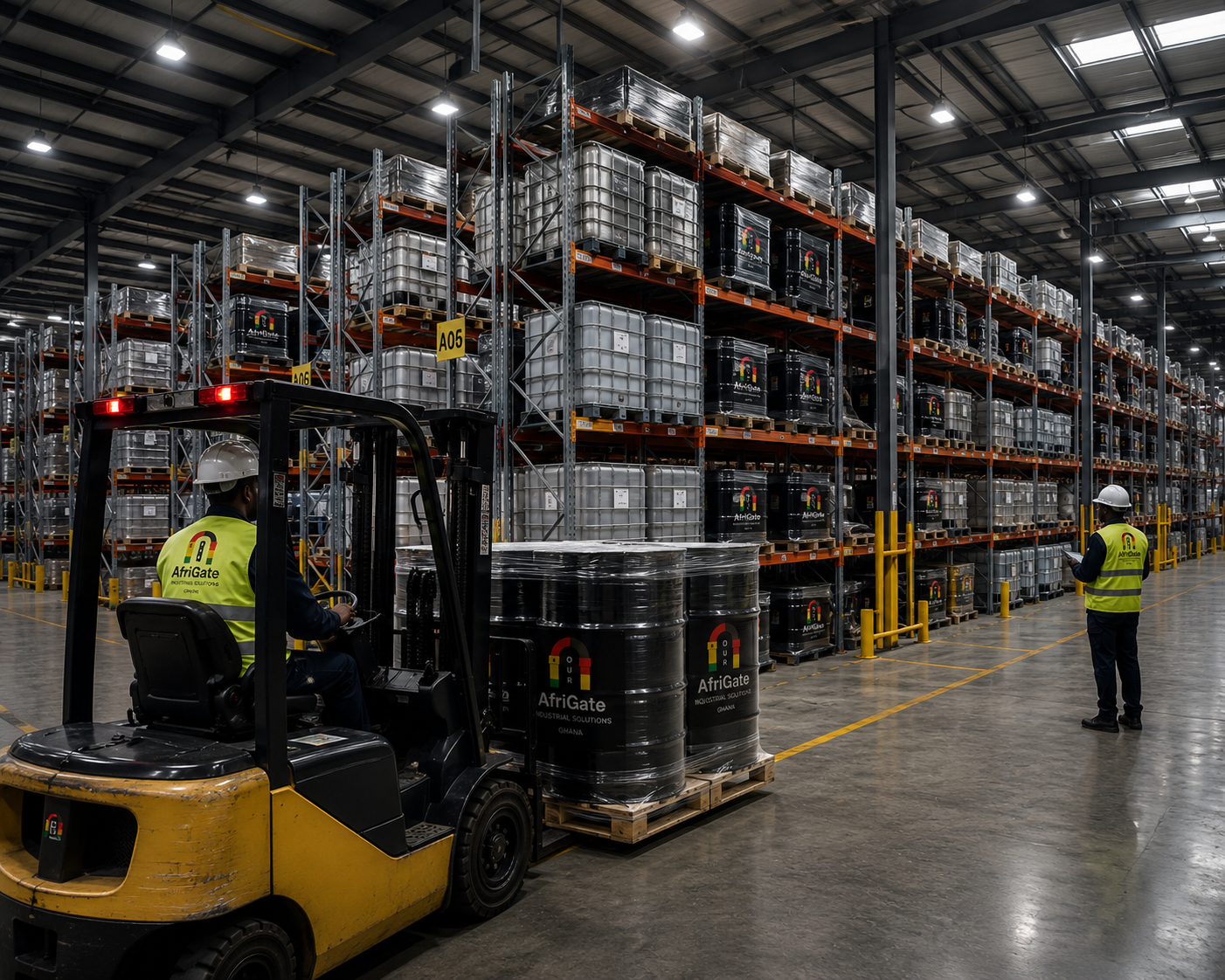
Industrial Storage Systems
Large-scale storage environments support supply chain continuity, export readiness, and industrial logistics coordination.

Industrial Refinery Ecosystems Designed For Long-Term Growth
Modern industrial processing facilities are engineered not only for production, but for operational scalability, infrastructure growth, and regional manufacturing integration.
Industrial refinery ecosystems increasingly function as central industrial hubs connected to transport systems, storage infrastructure, manufacturing operations, export logistics, and long-term economic development.
Discuss Industrial InfrastructureIndustrial Processing As A Driver Of Economic Transformation
Modern agro-industrial infrastructure supports far more than production capacity alone. It creates interconnected economic ecosystems that influence employment, logistics, agriculture, exports, industrial services, regional trade, and long-term manufacturing growth.

Stable Market Access For Farmers & Agricultural Producers
Integrated processing facilities help strengthen agricultural supply chains by creating structured industrial demand for farmers and raw material producers.
More stable industrial processing capacity contributes to stronger purchasing systems, improved agricultural productivity, reduced uncertainty for producers, and long-term farming sustainability throughout regional agricultural networks.

Reducing Post-Harvest Waste & Material Losses
Modern refinery ecosystems help reduce agricultural waste through coordinated logistics systems, faster processing integration, industrial storage infrastructure, and continuous operational capacity.

Direct & Indirect Job Creation Across Multiple Sectors
Large-scale industrial facilities support employment across refinery operations, logistics coordination, maintenance services, engineering support, warehousing, industrial administration, transportation, and regional supply chains.
Industrial Facilities That Support Long-Term Economic Participation
Modern industrial processing ecosystems create economic activity across multiple operational layers extending far beyond refinery production alone.
Industrial employment opportunities emerge throughout engineering, industrial operations, technical services, equipment maintenance, logistics coordination, packaging systems, transportation networks, and regional manufacturing support industries.

Supporting Regional Transport, Logistics & Industrial Services
Industrial refinery ecosystems stimulate growth throughout connected sectors including freight transport, industrial warehousing, equipment servicing, packaging operations, maintenance infrastructure, and distribution systems.

Transportation & Freight Coordination
Industrial-scale processing facilities increase demand for transportation systems, material movement coordination, regional freight activity, and supply chain connectivity.

Warehousing & Storage Infrastructure
Modern refinery ecosystems require integrated industrial storage environments supporting operational continuity, export preparation, and supply chain efficiency.

Industrial Service Ecosystems
Equipment maintenance, technical servicing, packaging support, industrial cleaning, and operational services expand alongside refinery development.

Expanding Industrial Manufacturing & Export Capacity
Instead of exporting raw agricultural materials with limited industrial value, modern processing infrastructure supports higher-value manufacturing, regional industrial participation, and export-oriented production ecosystems.
Integrated processing environments contribute to increased industrial output, stronger manufacturing capability, export competitiveness, and long-term economic resilience throughout developing industrial regions.
Discuss Industrial Development
Infrastructure-Led Economic Expansion Across Industrial Regions
Industrial processing infrastructure often becomes a catalyst for wider industrial growth throughout surrounding economic regions.
Large-scale industrial facilities contribute to infrastructure development, industrial corridor expansion, technical workforce growth, regional manufacturing ecosystems, and long-term economic modernization.
Sustainable industrialization becomes more effective when production systems, logistics infrastructure, workforce development, and industrial services evolve together as connected ecosystems.
Speak With Our Industrial Team
Engineering The Future Of African Industrial Manufacturing
Scalable processing infrastructure, intelligent refinery systems, and integrated industrial ecosystems designed to support the next generation of African manufacturing, export growth, and industrial modernization.
Industrial Infrastructure Designed For Generational Economic Growth
The future of industrial development increasingly depends on infrastructure capable of supporting scalable production, export competitiveness, industrial automation, and integrated manufacturing ecosystems.
Modern processing environments are evolving beyond standalone facilities into broader industrial ecosystems connected to transportation, logistics infrastructure, manufacturing operations, energy systems, and regional commercial development.
Long-term industrial competitiveness depends on the ability to build sustainable systems capable of supporting continuous operational growth, industrial resilience, and infrastructure expansion across developing regions.

Strengthening Africa’s Position Within Global Manufacturing Networks
Modern refinery infrastructure supports stronger industrial participation within international manufacturing, supply chain, and export environments.

Manufacturing Independence
Industrial processing ecosystems help strengthen regional manufacturing capacity while supporting reduced dependency on imported refined products and externally processed materials.

Export Readiness & Industrial Competitiveness
Integrated processing environments improve industrial output quality, operational consistency, packaging capability, and participation within international supply chains.

Industrial Knowledge & Workforce Development
Large-scale industrial ecosystems contribute to technical workforce growth, operational expertise, industrial training, and long-term engineering capability development.

Building Connected Industrial Ecosystems Across Regional Economies
Industrial infrastructure development contributes directly to broader economic transformation through manufacturing expansion, industrial investment attraction, regional trade growth, workforce development, and infrastructure modernization.
Sustainable industrialization becomes stronger when production systems, logistics infrastructure, transportation networks, industrial services, and manufacturing operations evolve together as integrated economic ecosystems.
Infrastructure. Manufacturing. Industrial Growth.
Modern processing ecosystems represent more than production facilities alone. They create connected industrial environments capable of supporting employment growth, agricultural stability, manufacturing expansion, export competitiveness, and long-term economic development across entire regions.
Industrial transformation is driven by infrastructure, operational scale, engineering precision, long-term industrial vision, and sustainable ecosystem development.