Converting Agricultural Production Into Industrial Value
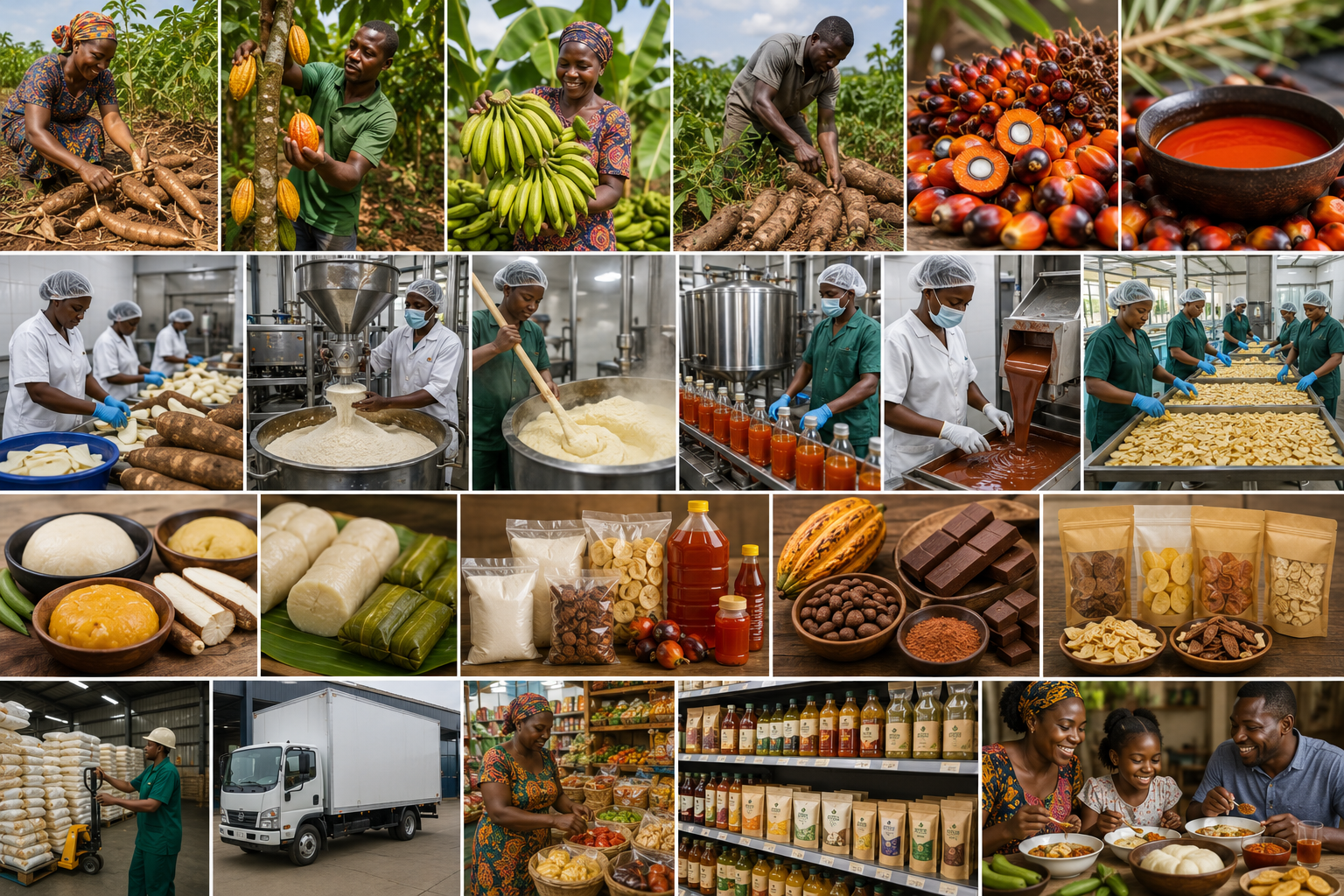
Agriculture creates opportunity. Industrial processing creates value. Across Africa, enormous volumes of crops, fruits, vegetables, seafood and livestock products leave farms with limited value addition. Modern processing and packaging infrastructure transforms agricultural output into market-ready products that support food security, manufacturing growth, investment attraction and export competitiveness.
Discuss Food Processing Infrastructure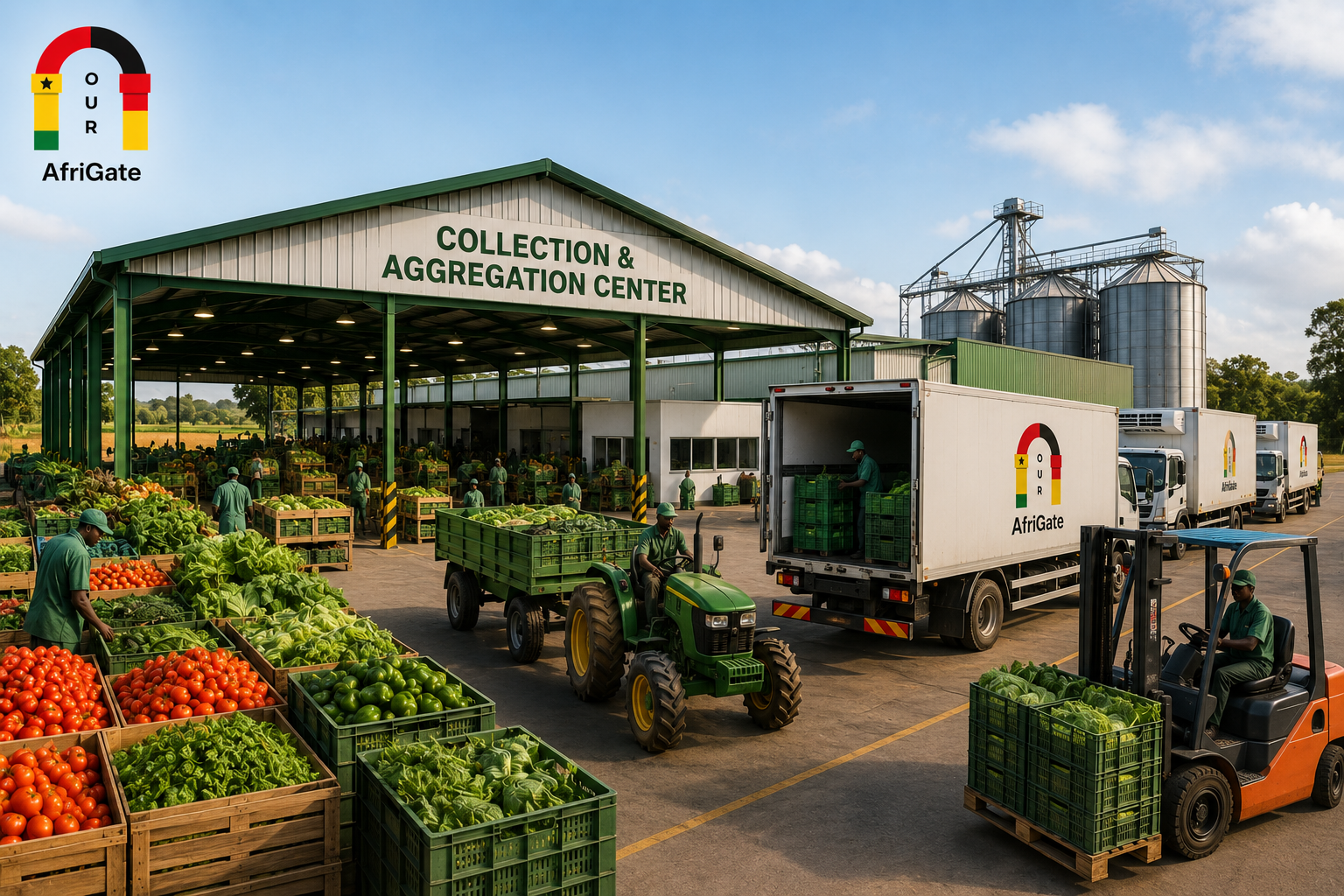
Reduced Waste
Processing extends shelf life and reduces post-harvest losses.
Food Security
Reliable production systems strengthen domestic food supply.
Manufacturing Growth
Processing industries create industrial jobs and economic activity.
Export Readiness
Finished products create access to regional and international markets.
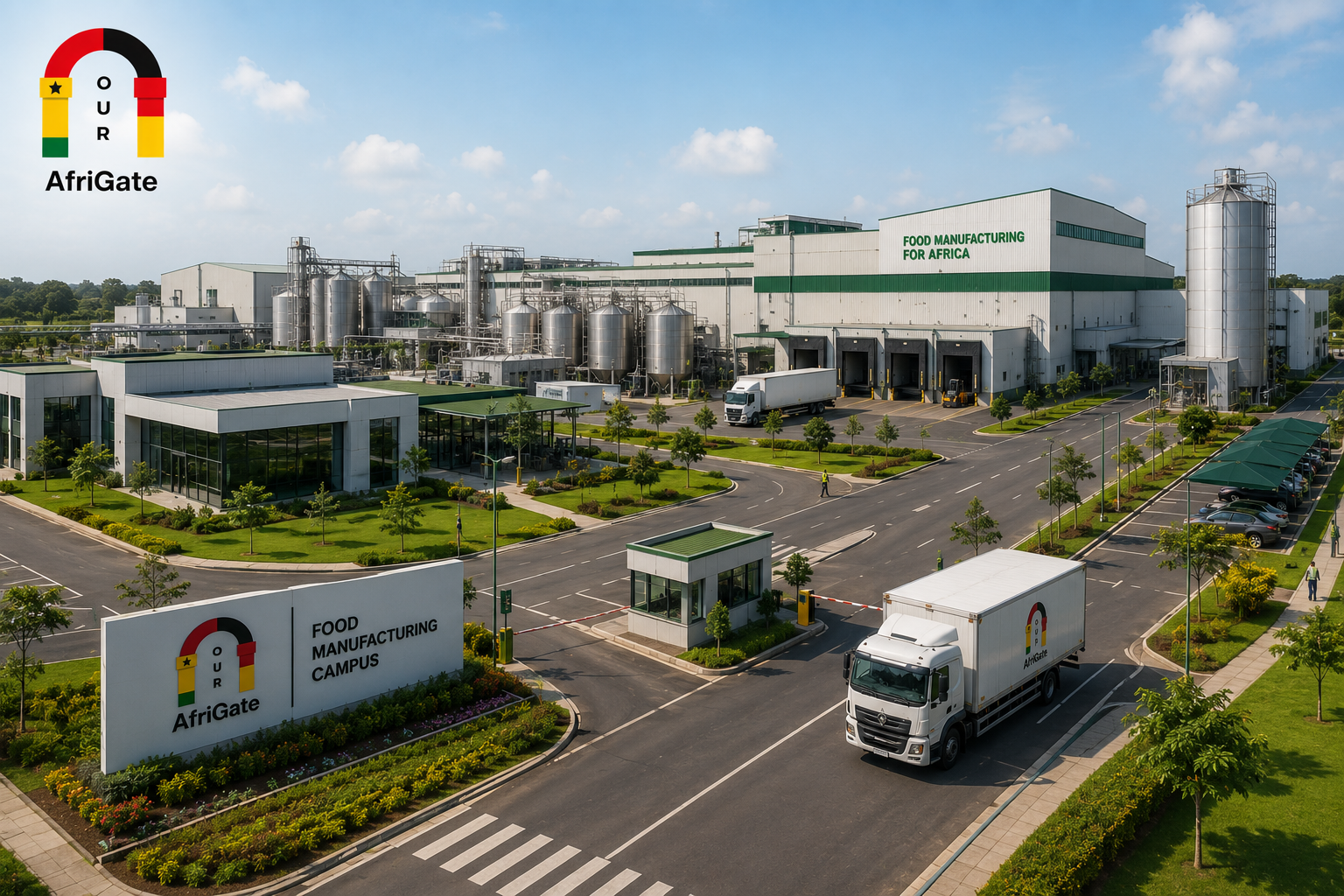
Building The Infrastructure Behind Food Manufacturing Ecosystems
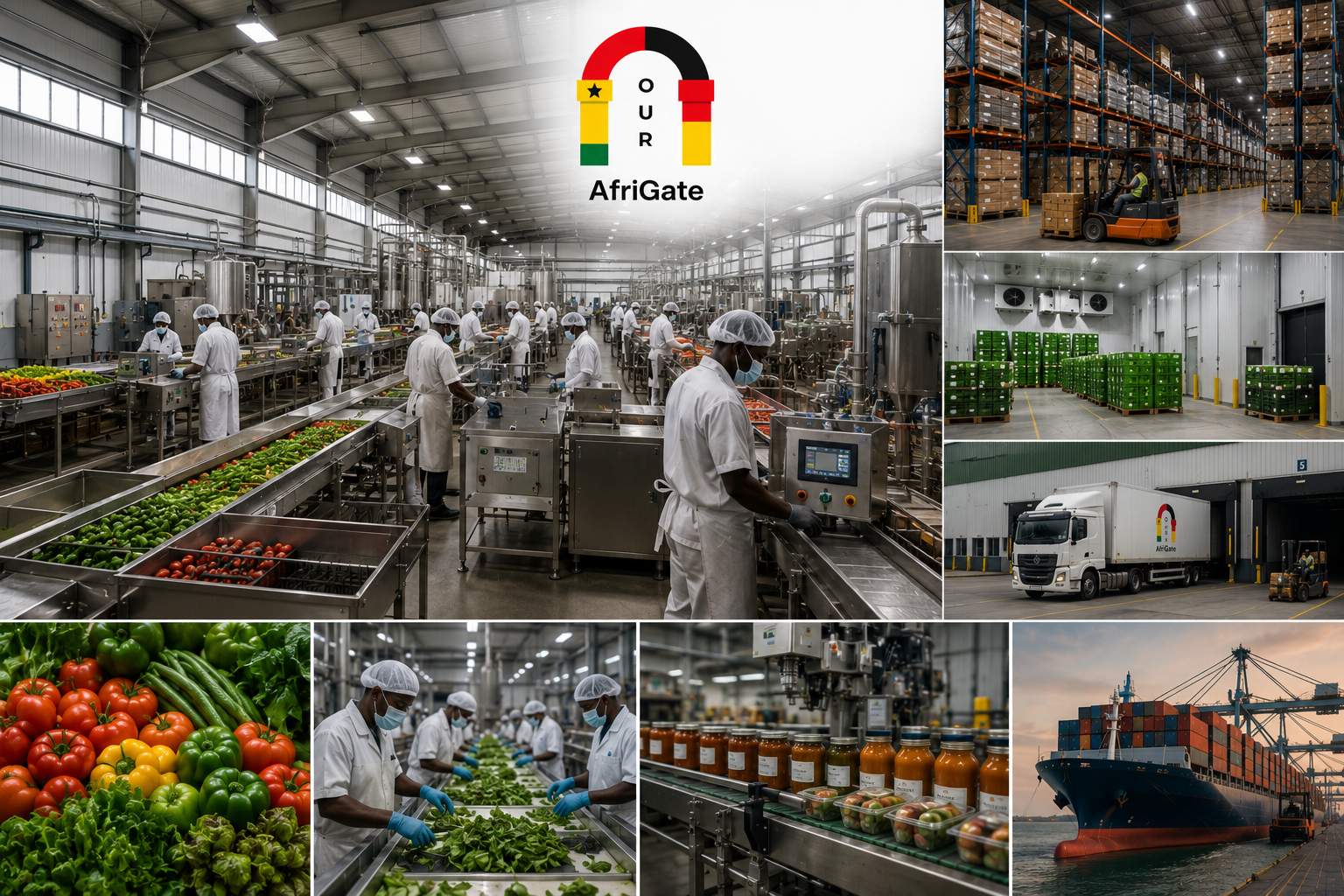
Industrial food processing creates a bridge between agricultural production and consumer markets. By integrating collection, processing, packaging, storage and distribution infrastructure, countries can unlock greater economic value while strengthening domestic supply chains and supporting long-term industrial development.
Modern food manufacturing ecosystems support farmers, processors, logistics providers, retailers and exporters through connected production environments designed for efficiency, scalability and market competitiveness.
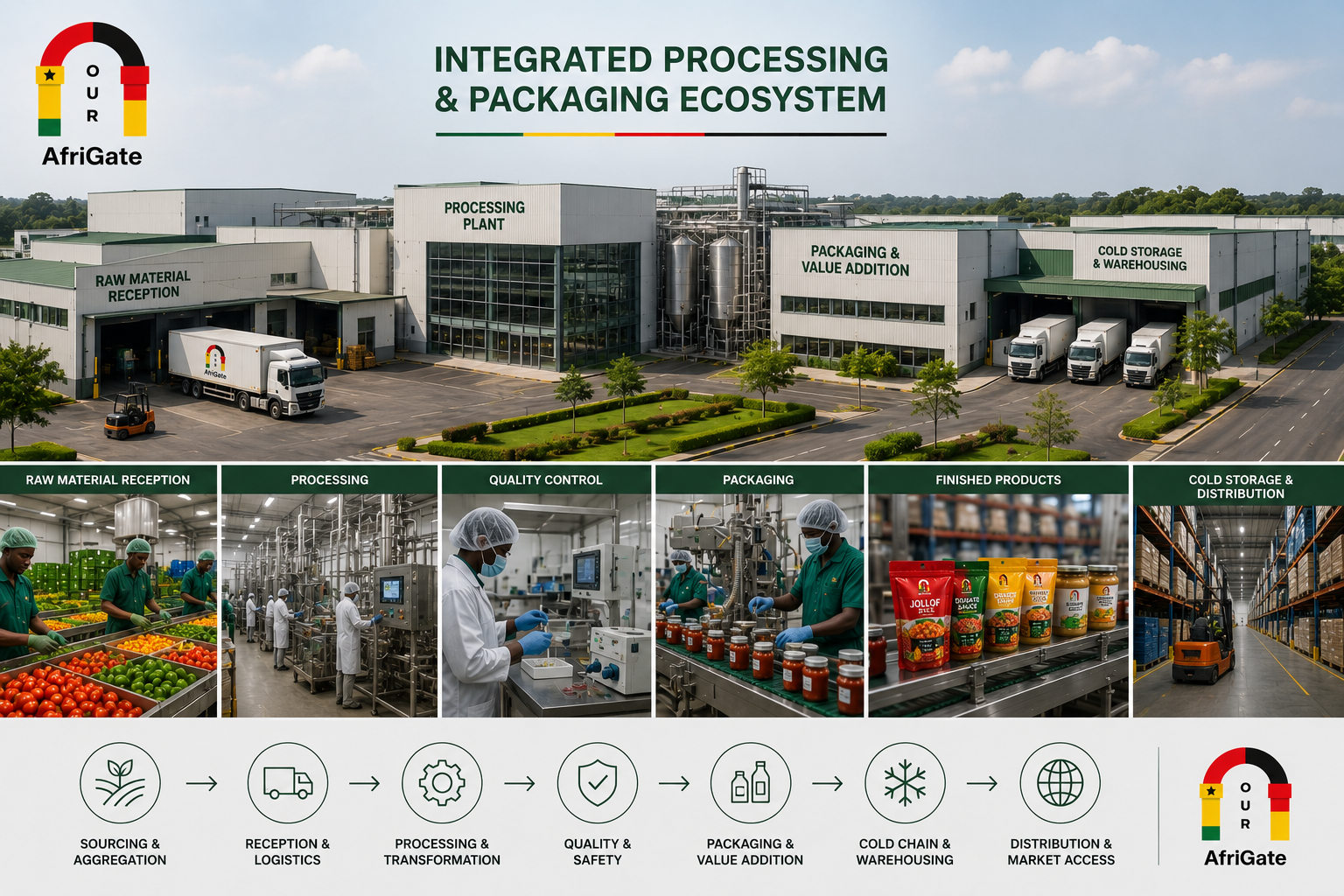
Connecting Collection, Processing, Packaging & Distribution Into One Coordinated System
Modern food manufacturing depends on seamless coordination between collection points, processing facilities, packaging operations, storage environments and distribution centers. Every stage must operate as part of an integrated ecosystem designed to maintain efficiency, product integrity and continuous production flow from raw material intake to finished packaged products.

Collection & Receiving
Coordinated intake systems supporting consistent material flow into production.
Sorting & Preparation
Organizing, grading and preparing products for downstream operations.
Packaging Operations
Converting processed products into protected and market-ready formats.
Storage Coordination
Managing inventory movement between production and dispatch environments.
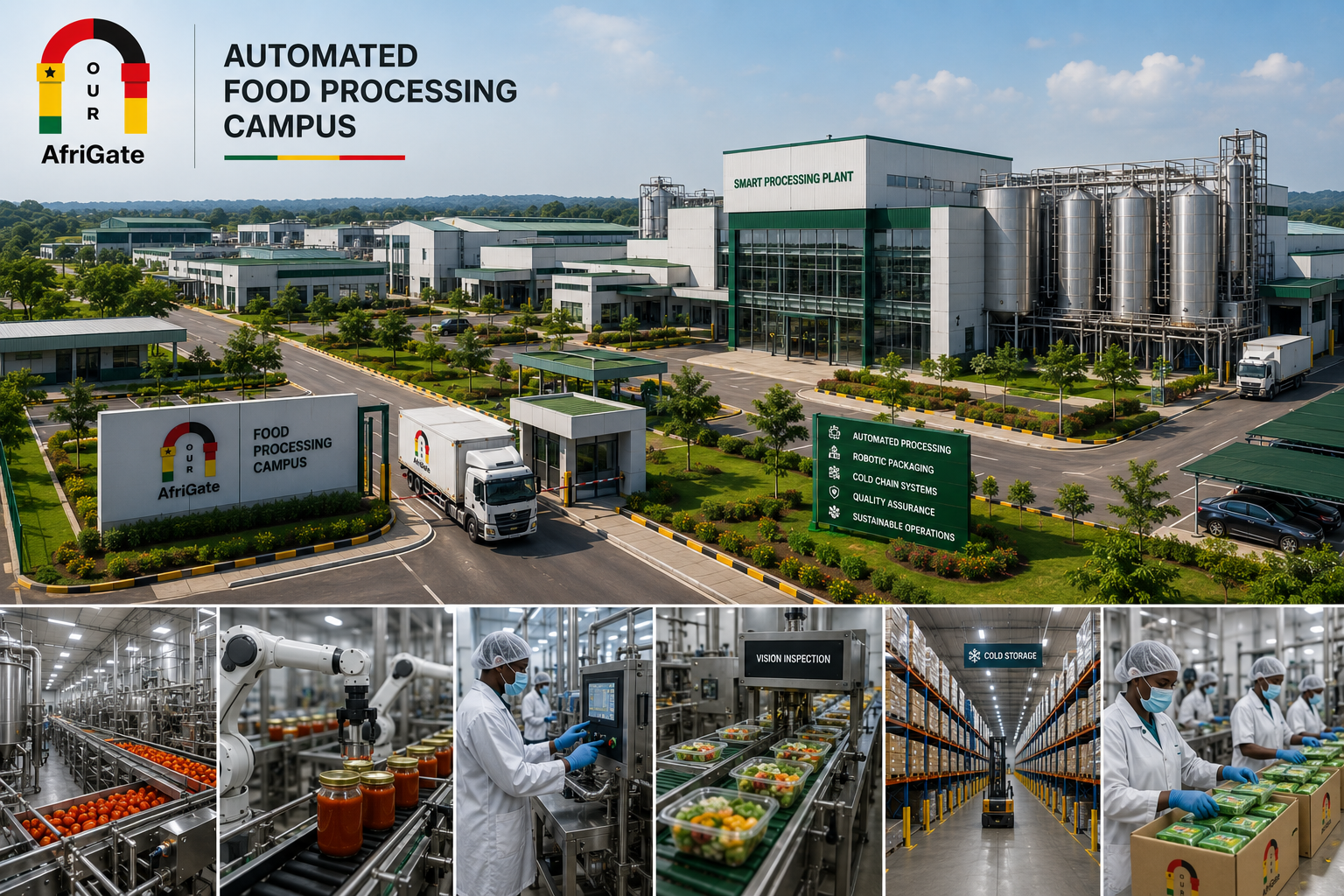
Managing Product Movement Through Every Stage Of Production
Efficient facilities rely on synchronized operations that connect receiving areas, processing environments, packaging halls, warehouse systems and dispatch zones. Integrated workflows help maintain visibility across operations while supporting accurate scheduling, inventory control and production continuity.
By aligning physical infrastructure, material handling systems and operational processes, facilities can coordinate product movement across multiple stages without unnecessary delays or operational bottlenecks.
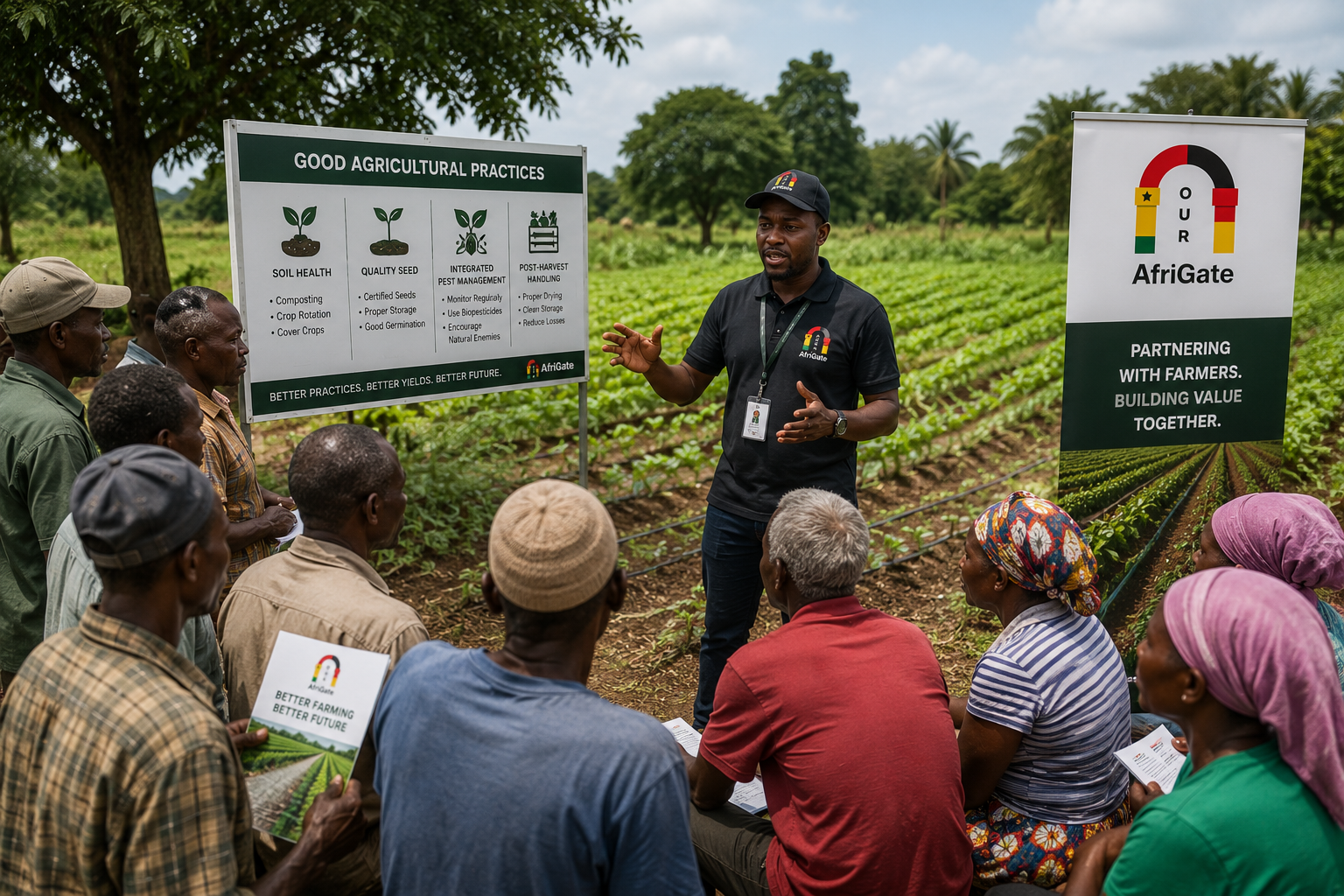
Building The Human Capability Behind Advanced Food Manufacturing
Modern manufacturing environments require highly skilled professionals, technical expertise and continuous capability development. From food technologists and process engineers to automation specialists and manufacturing leaders, industrial success depends on people capable of managing increasingly sophisticated production environments and driving long-term operational excellence.

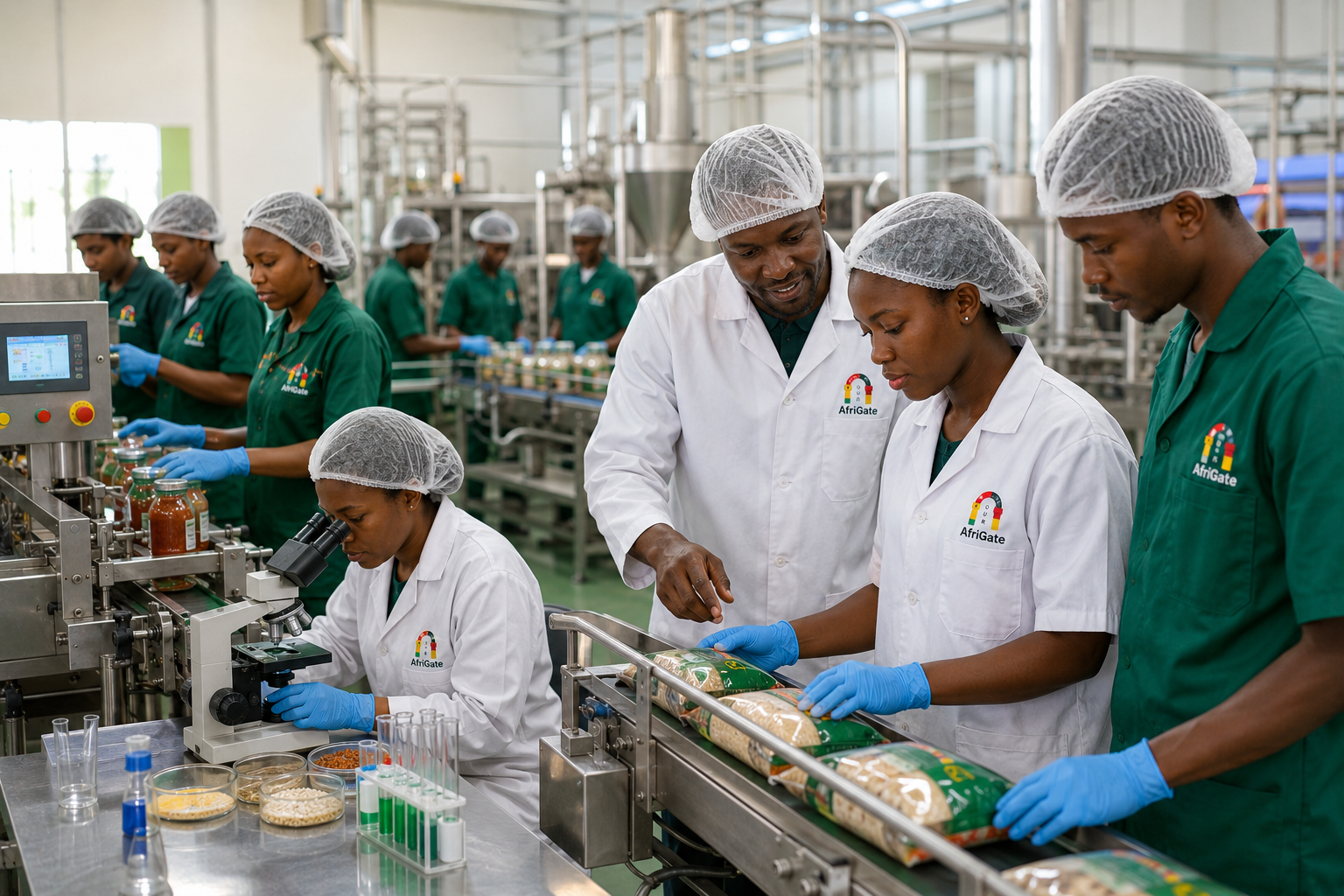
Technical Specialists
Supporting industrial operations through practical expertise and technical competence.
Engineering Capability
Providing the technical foundation required for advanced manufacturing environments.
Professional Development
Continuous learning programs supporting long-term capability growth and specialization.
Industry Leadership
Developing future managers, innovators and decision-makers for industrial organizations.
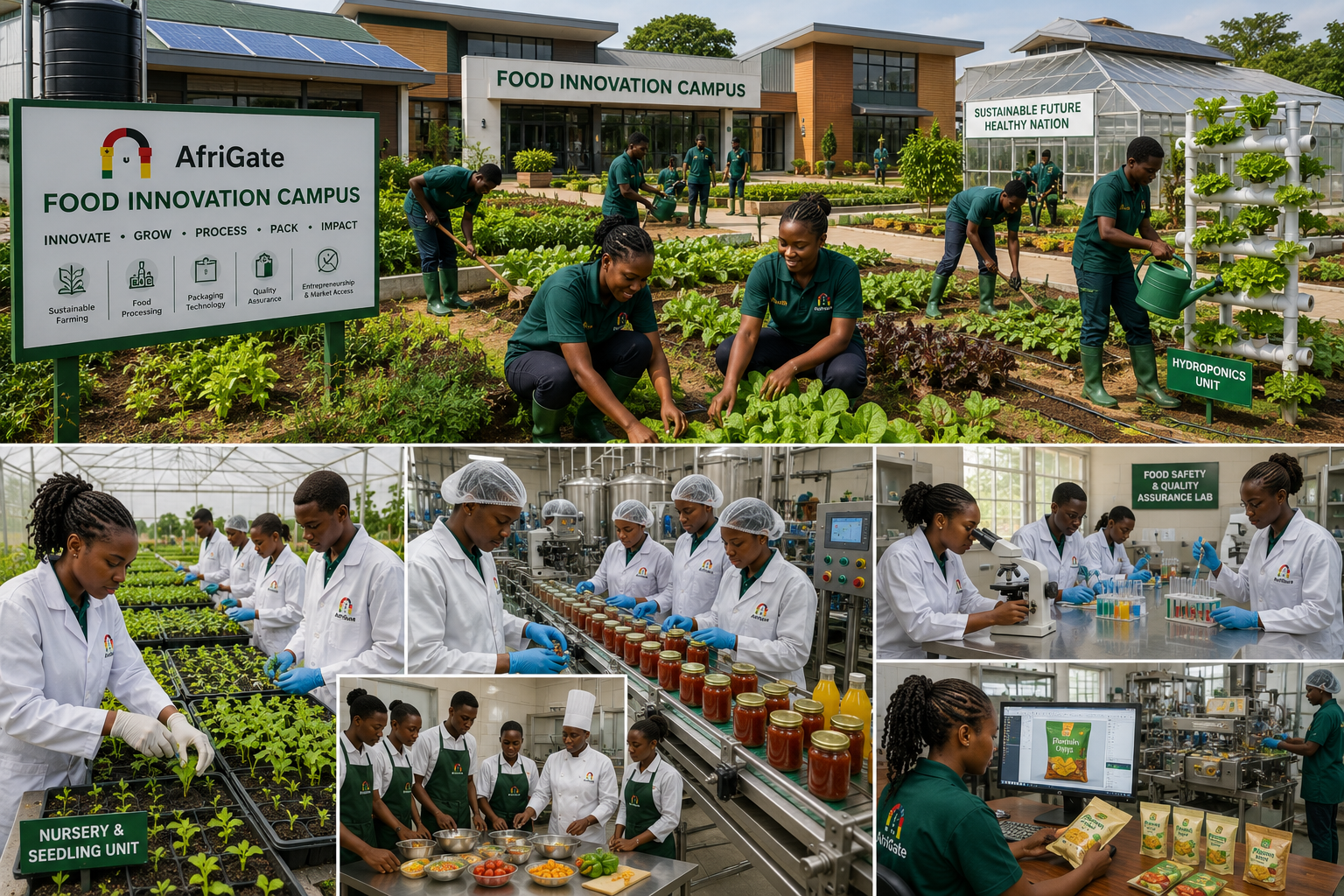
Creating The Expertise Required For The Future Of Food Manufacturing
Manufacturing excellence evolves through education, research, collaboration and practical innovation. Technical institutions, industrial academies and applied research environments contribute to the development of specialized knowledge that supports evolving manufacturing requirements and future industry opportunities.
Strong industrial ecosystems encourage knowledge transfer, professional certifications, technical training and innovation initiatives that help organizations continuously strengthen their capabilities while adapting to changing technologies and market demands.
Connecting Food Manufacturing To Communities, Institutions & Commercial Markets
Reliable food systems depend on efficient market connectivity and consistent product availability across public institutions, commercial customers and regional distribution channels. Coordinated supply networks help ensure products reach the people, organizations and businesses that depend on dependable food supply throughout the year.
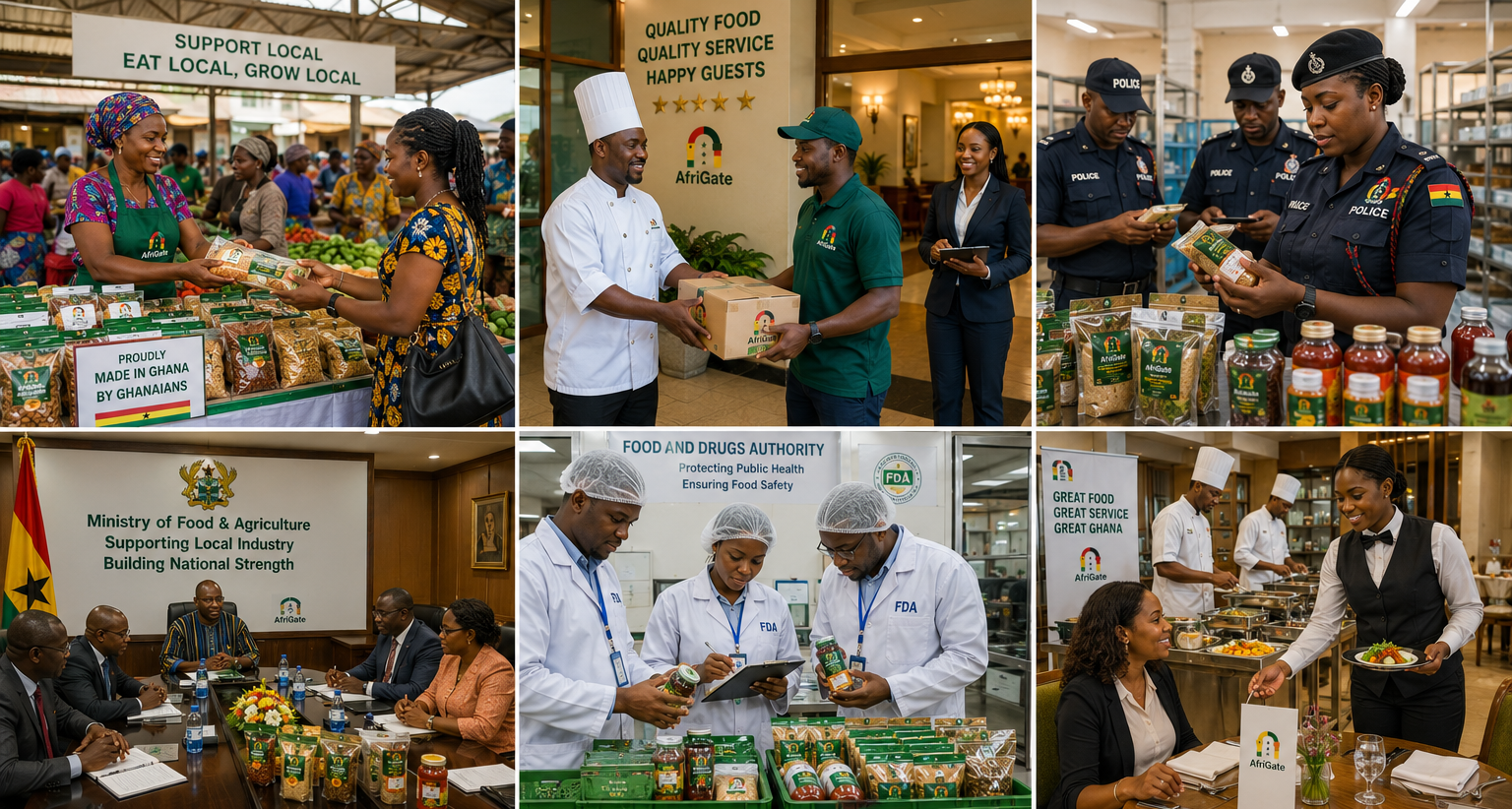
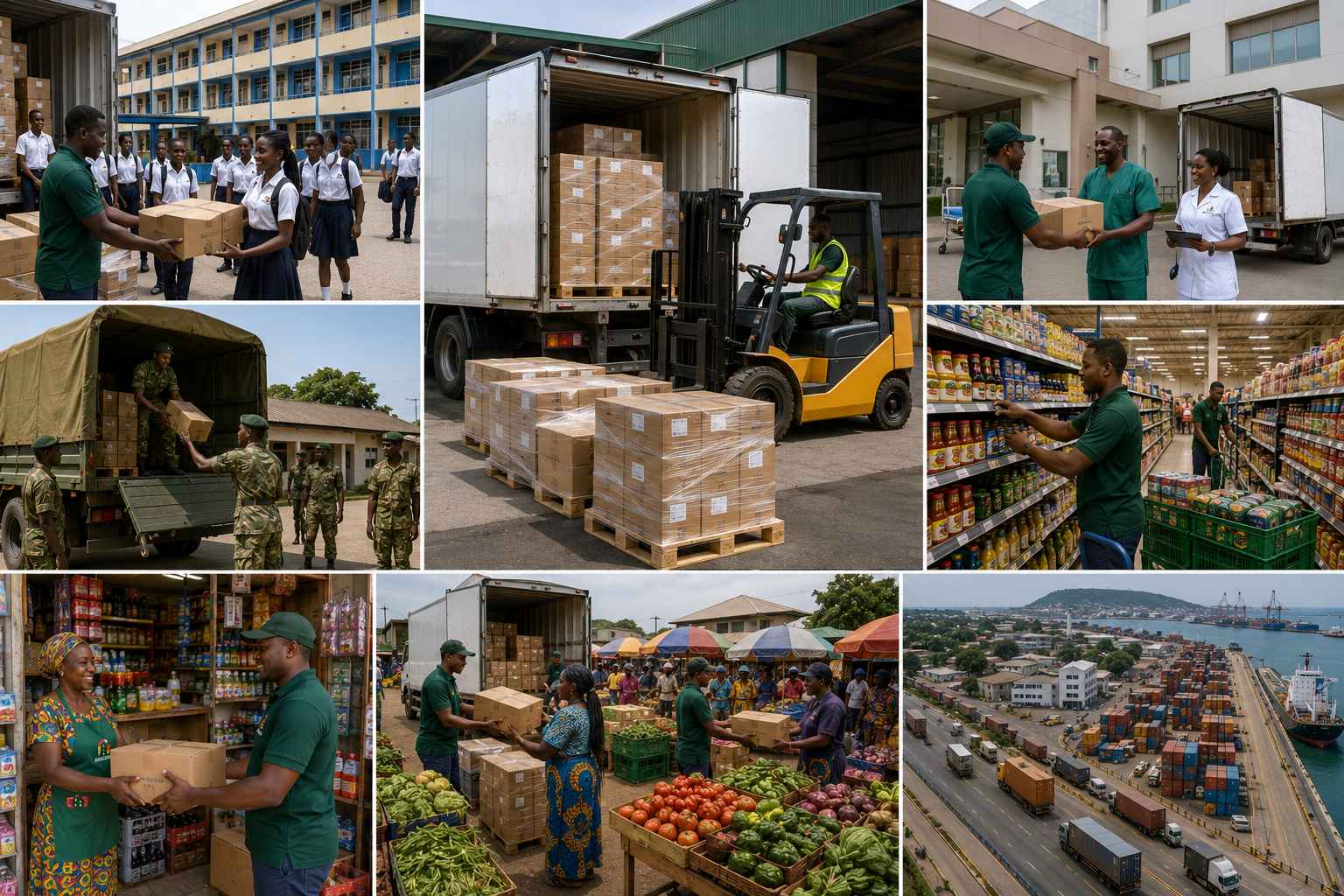
Educational Institutions
Supporting schools, colleges and universities with reliable food supply programs.
Healthcare Facilities
Serving hospitals and healthcare providers requiring consistent food availability.
Public Service Organizations
Supplying military, police and public institutions through structured procurement channels.
Commercial Customers
Supporting retailers, hospitality operators, wholesalers and food service providers.
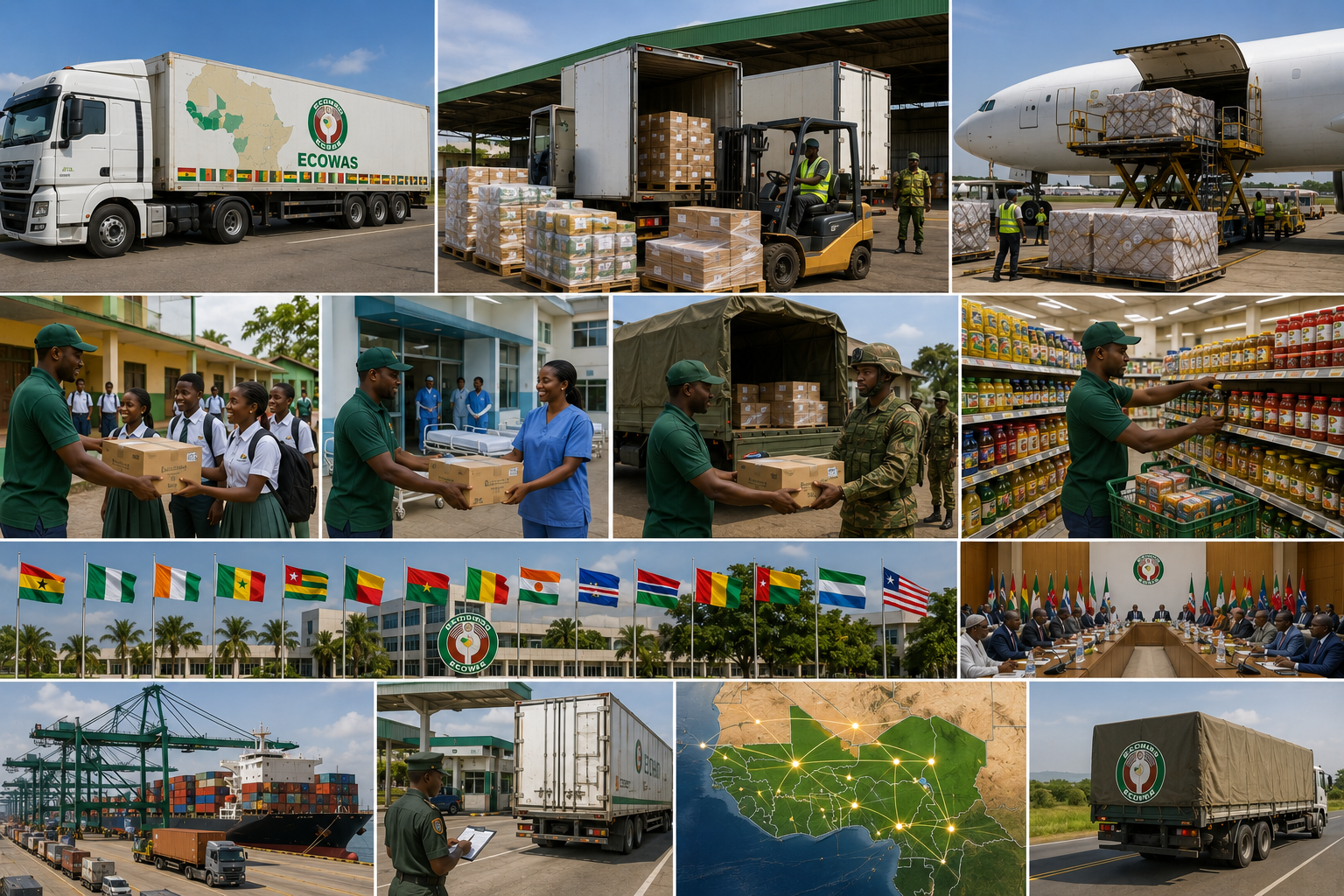
Expanding Access Across Domestic, Regional & International Markets
Strong market networks create opportunities for food products to reach diverse customer groups through coordinated distribution systems, institutional procurement channels and commercial supply relationships. Effective connectivity strengthens market presence while supporting broader participation across multiple sectors.
Integrated transportation infrastructure, distribution partnerships and commercial networks help create reliable pathways between manufacturers, institutional buyers, retail operators and international trading partners.
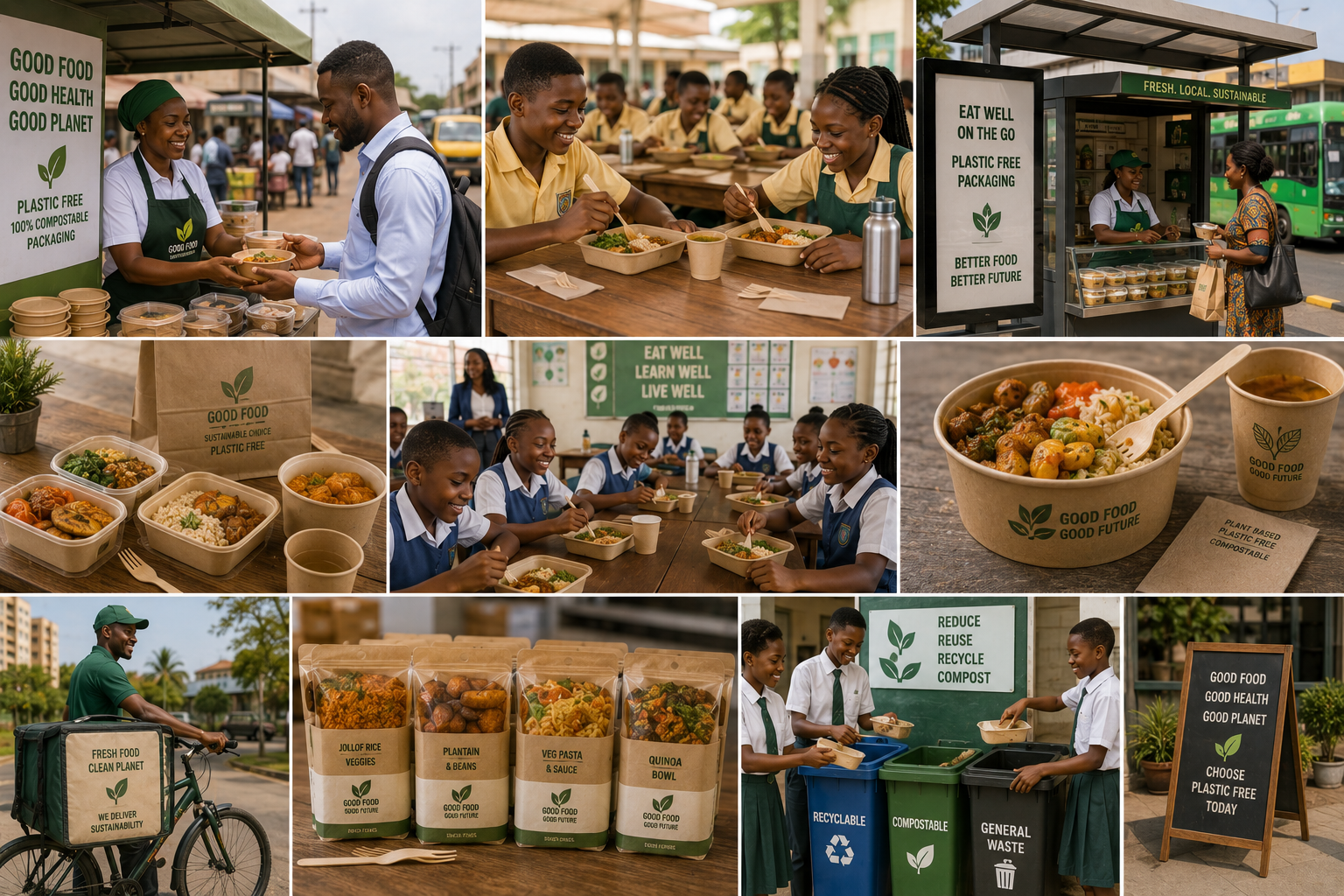
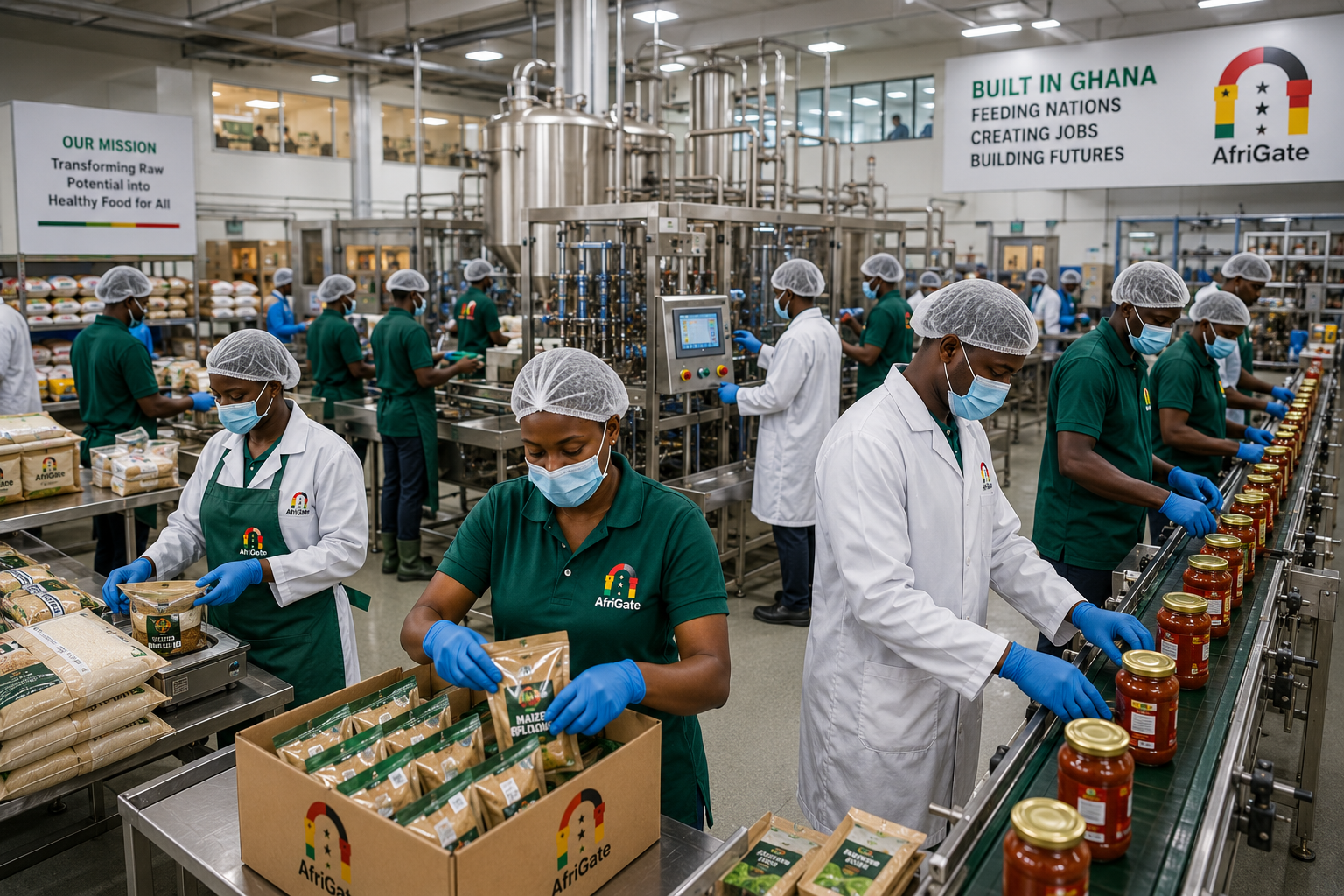
Transforming Products Into Recognizable Consumer Brands
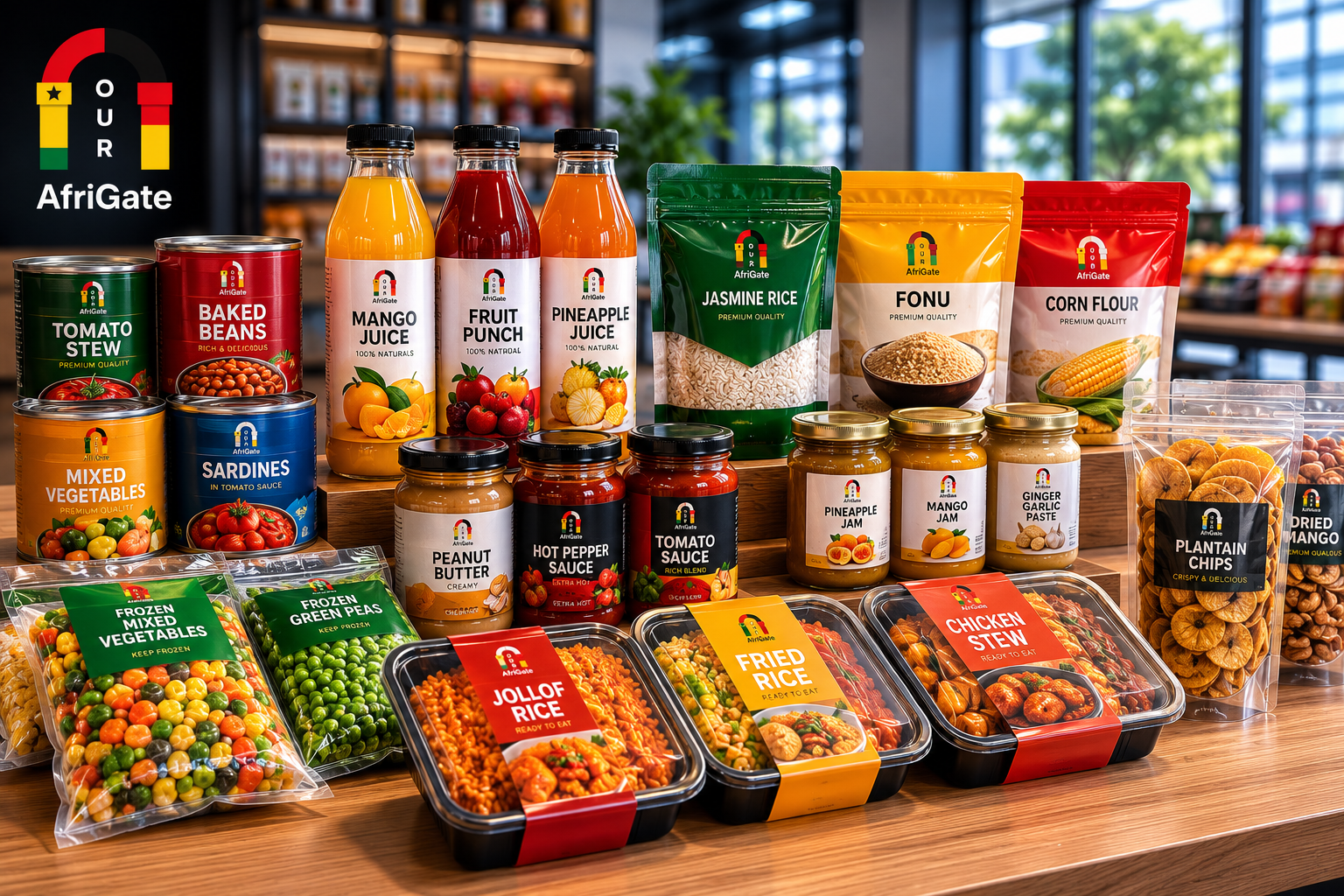
Product presentation plays a critical role in consumer engagement, retail positioning and commercial differentiation. Packaging systems convert products into shelf-ready formats designed for supermarkets, wholesalers, hospitality operators and international retail channels. Through packaging innovation and product presentation strategies, manufacturers can strengthen product visibility, consistency and customer recognition across multiple markets.
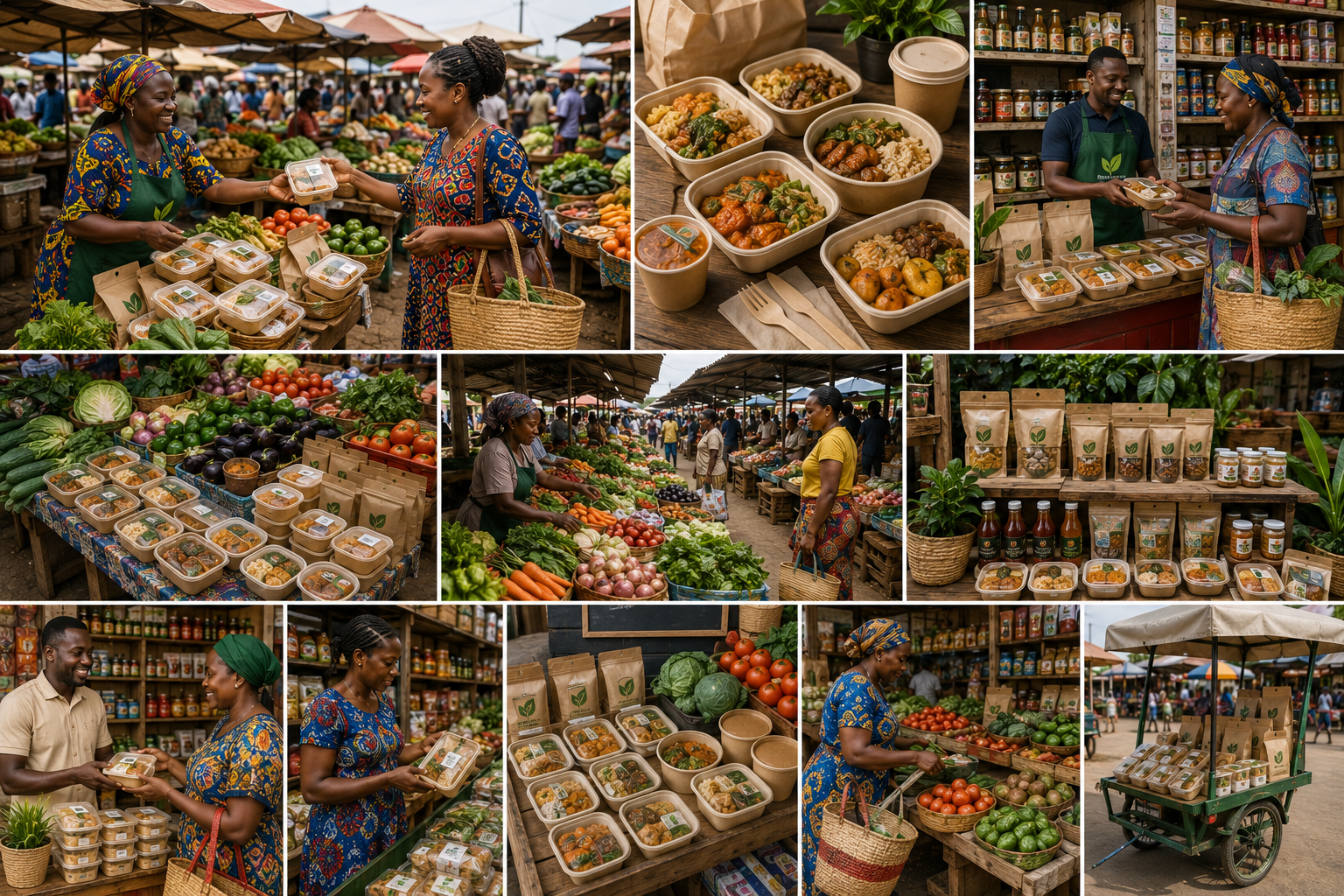
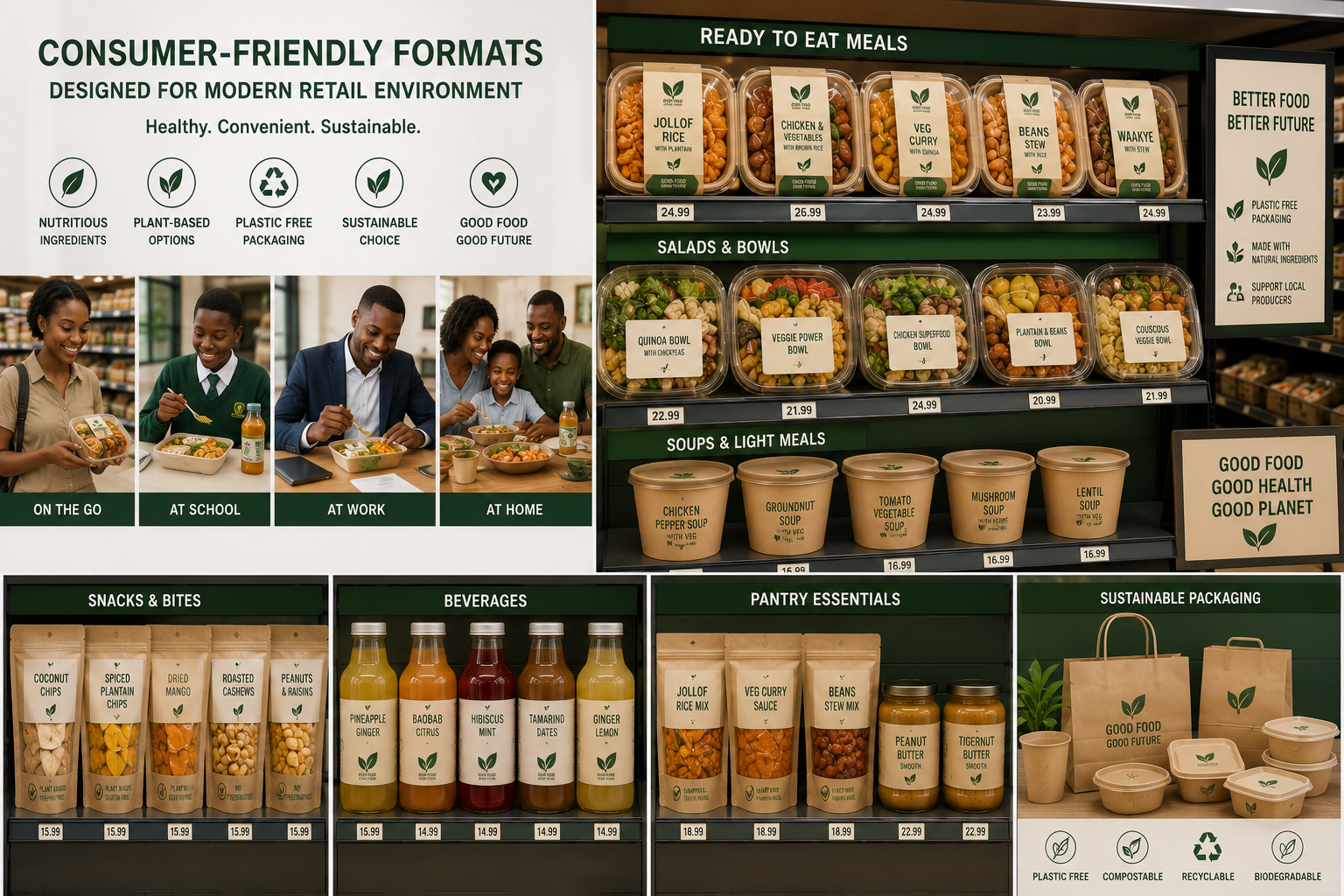
Retail Packaging
Consumer-friendly formats designed for modern retail environments.
Product Presentation
Packaging solutions supporting visibility and customer appeal.
Brand Identity
Creating recognizable products that strengthen market presence.
Product Diversity
Supporting multiple packaging formats across various product categories.
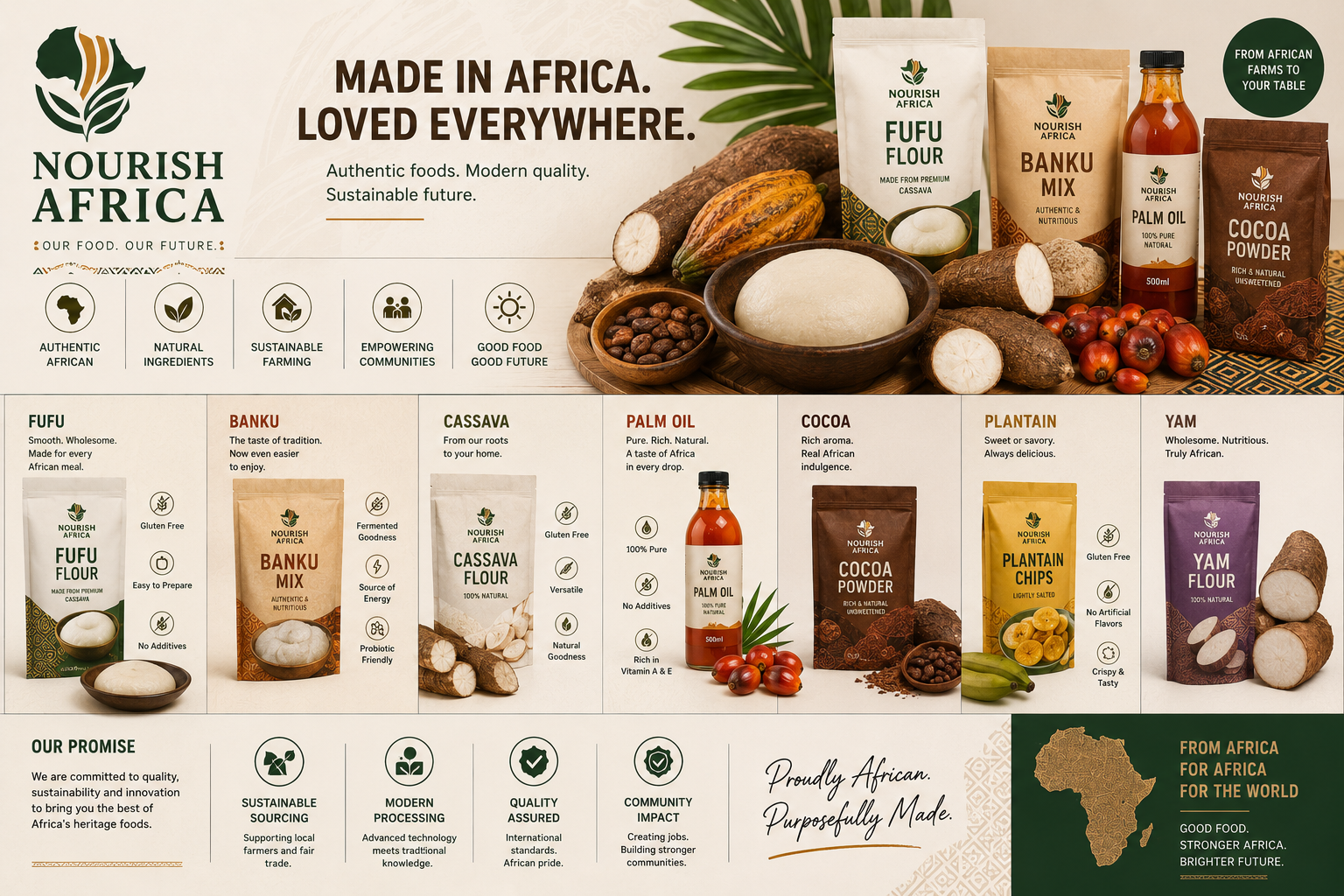
Creating Shelf-Ready Products For Modern Retail Environments
Packaging serves as the interface between manufacturers and consumers. Bottled products, canned foods, frozen meals, beverages and packaged consumer goods require carefully developed formats that support convenience, consistency and visual presentation across different sales environments.
Effective packaging strategies help products maintain a professional appearance while supporting merchandising requirements, consumer expectations and retail display standards. Well-designed product formats contribute to stronger brand recognition and improved commercial positioning within competitive markets.